



Our relationship with time in modern societies: How to re-enchant our daily lives
Have you ever had that strange sensation, at the end of the day, that the hours have slipped through your fingers without you being able to grasp them? In a world where everything is accelerating, where notifications dictate our attention and where urgency has become the norm, the very notion of duration seems to have evaporated.
Our relationship with time in modern societies has transformed into a veritable race against the clock. We are constantly seeking to save time, yet paradoxically, we have never had so little of it to experience the present moment. This frenzy raises a fundamental question, both philosophical and deeply rooted in our daily lives: how have we become slaves to a clock that we created ourselves? And above all, how can we relearn to savour each minute with awareness and elegance? Rethinking our connection to time is no longer a luxury; it is a vital necessity to regain meaning and serenity.
To go further : The work of sociologist Hartmut Rosa on our relationship with time in modern society
The illusion of acceleration: Why are we constantly rushing?
The observation is clear: our era is marked by the seal of speed. Since the Industrial Revolution, humanity has developed increasingly sophisticated technologies to compress time. Transport takes us further and faster. Communications are instantaneous. Information travels at breakneck speed. Yet this technical efficiency, far from liberating us, has engendered a feeling of chronic time scarcity.
Our relationship with time in modern societies has thus been built upon the myth of infinite productivity. We have fragmented our days into micro-tasks, measuring our worth by the yardstick of an overloaded schedule. Boredom, once the breeding ground for imagination and creativity, has been eradicated in favour of constant stimulation. We fear the void, and to fill it, we accumulate activities, meetings, and projects, until we are on the verge of exhaustion.
This hyper-connection also blurs the boundaries between professional life and the private sphere. The office invites itself into our living room, professional emails intrude upon our weekends, and the saving separation that once existed between the time for effort and the time for rest is dangerously fading. It is crucial to analyse this mechanism to understand how to escape it, for time is not a resource that can be saved; it is the very essence of our existence slipping away.

Urban terrace scene at dusk: contrast between the blur of a fast-moving crowd and the serene stillness of people sitting at tables, illustrating time slipping away while patrons savour the present moment
The dictatorship of the minute and immediacy
In this spiral, the clock itself has changed its status. It is no longer a simple indicator, but a demanding master. Our watches and telephones display the hours, the minutes, and sometimes even the seconds, constantly reminding us of what is escaping us. This surgical precision induces an underlying, latent stress. We are perpetually timed.
Immediate gratification has become the standard of our comfort. We want our parcels delivered on the same day, our replies sent within the second, our desires satisfied instantly. By losing the ability to wait, we also lose the thrill of anticipation and the flavour of patience. The notion of a process, of maturation – whether it be a personal project, a relationship, or a reflection – clashes with this demand for instantaneous results. It is precisely here that our relationship with time fractures.
The philosophy of Slow Time: An ode to deliberate slowness
Faced with this vertigo, a gentle resistance movement has naturally emerged: "Slow Time", or the art of slowing down. Mind you, this is not an invitation to laziness or nostalgia for an idealised past. Embracing slowness does not mean doing everything in slow motion, but rather doing everything at the right speed. It is the search for the "tempo giusto", that perfect rhythm that allows one to combine efficiency with a quality of presence.
Adopting this philosophy means accepting the deconstruction of our relationship with time in modern societies. It is a deliberate choice to focus on the essential, to do less in order to do better, and above all, to feel more. Slow Time invites us to restore value to contemplation, to silence, and to those seemingly "unproductive" moments that are, in reality, the pillars of our psychological and emotional balance.
In this state of mind, time ceases to be an enemy to be defeated. It becomes once again a space in which we evolve, a fluid dimension that we can fully inhabit. Wandering aimlessly, reading a book without checking the time, preparing a meal with care, or simply observing the landscape, become veritable acts of intellectual and hedonistic rebellion.

A timeless pause: between reading and coffee, the watch on the wrist reminds us that every minute is an opportunity to savour the present moment - Source: Pexels
Horology as a symbol of our vision of time
It is fascinating to observe how the objects we surround ourselves with shape our perception of the world. The watch you wear on your wrist is the most intimate example of this. Traditionally, it is the strict instrument of precision. But it can also become the symbol of a different philosophy of life.
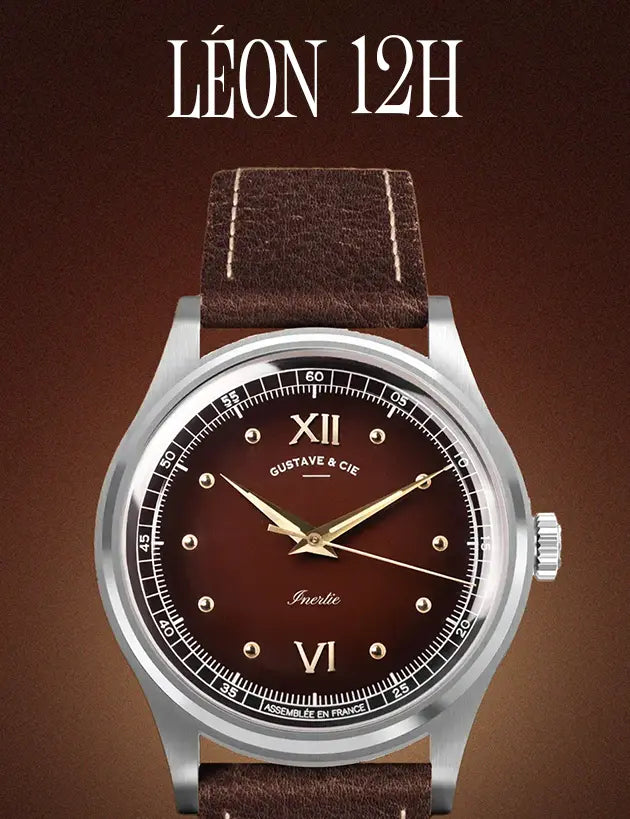
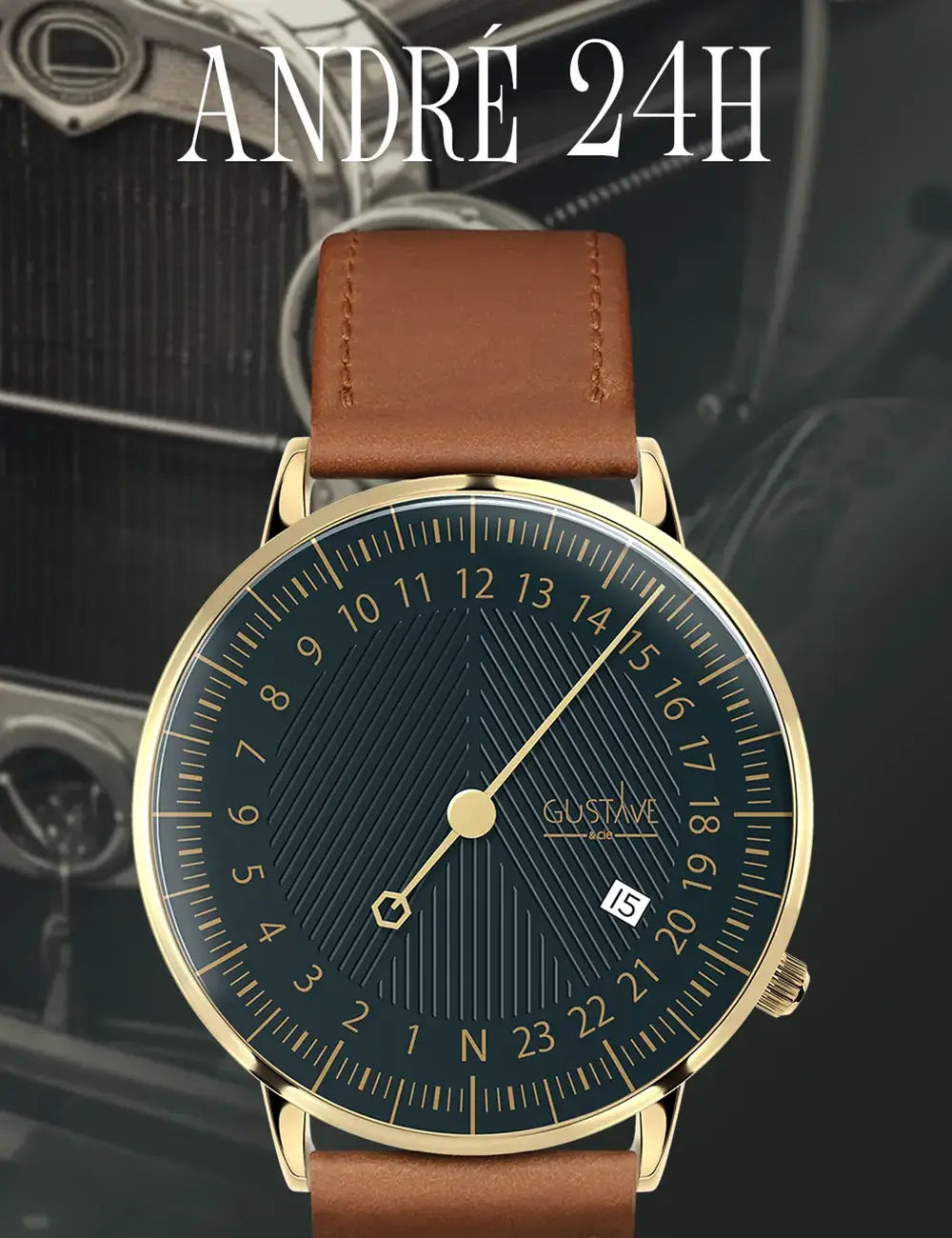
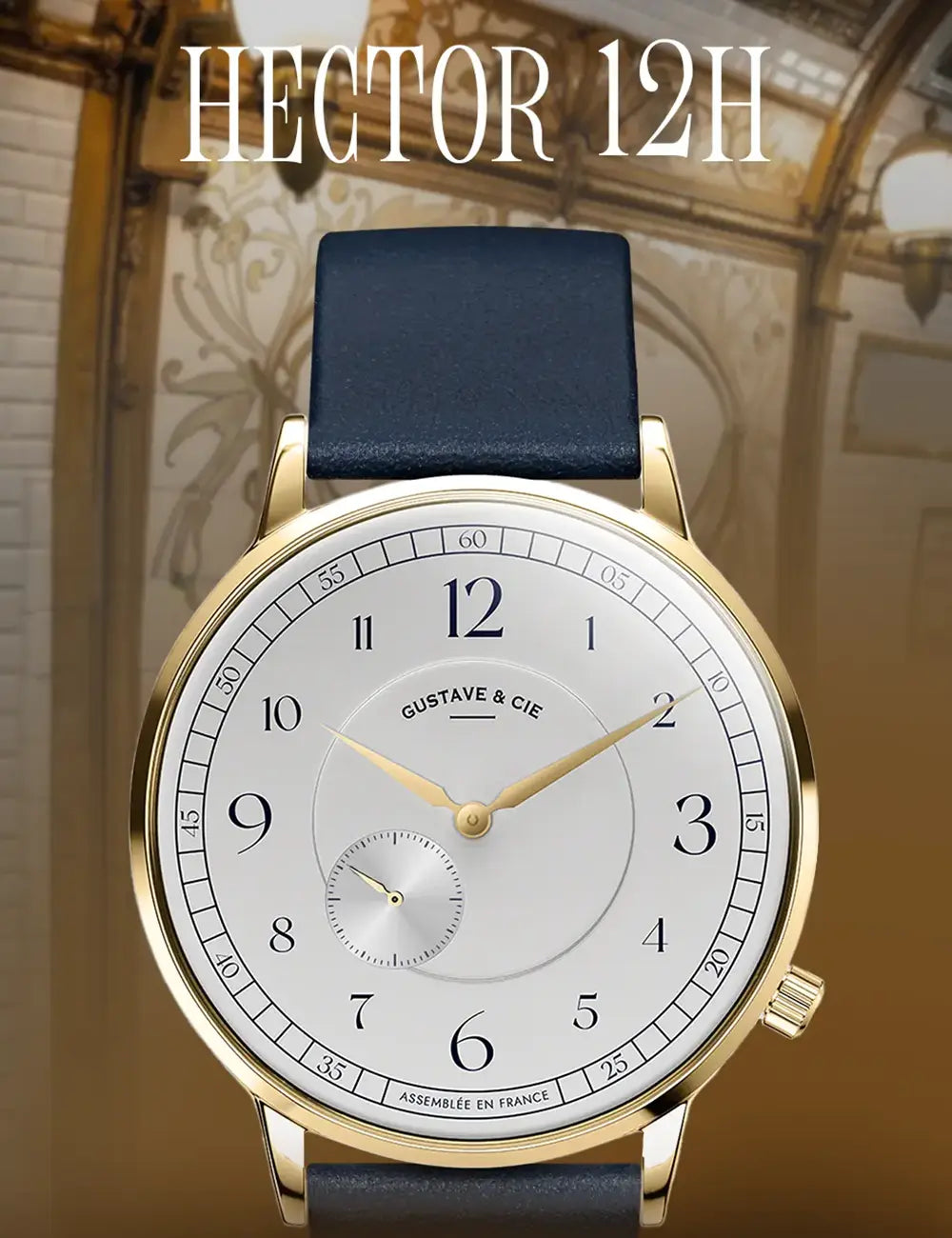
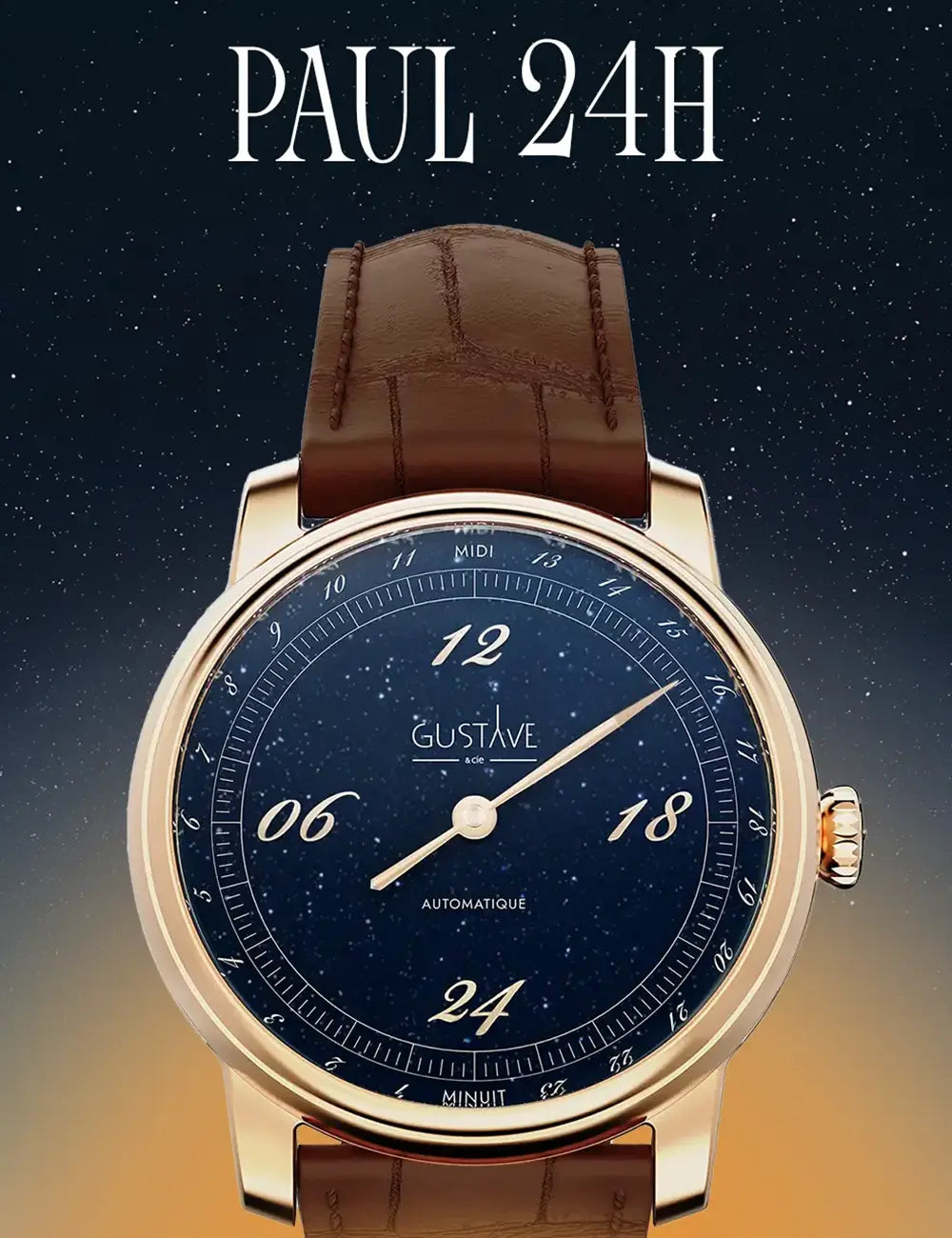
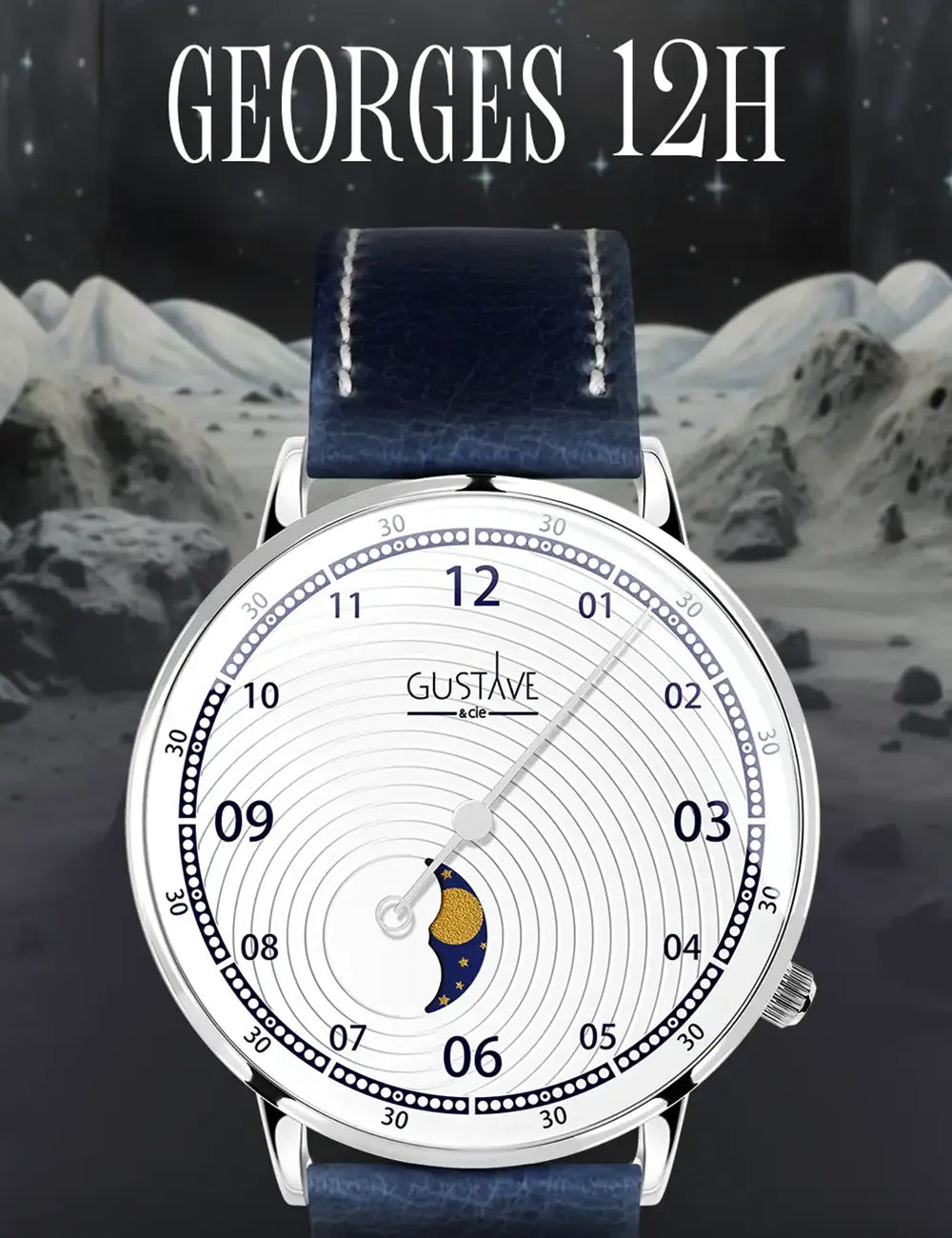
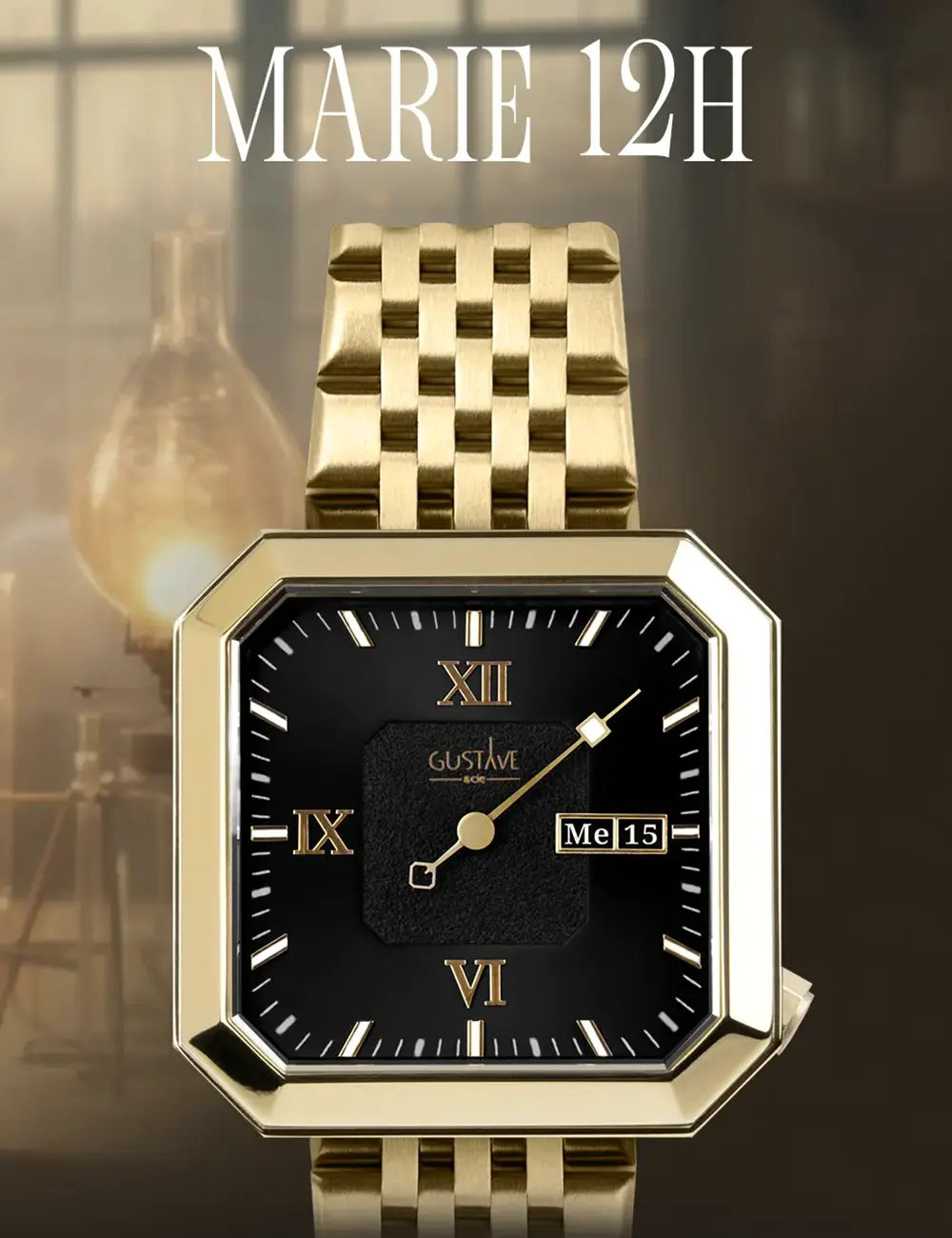
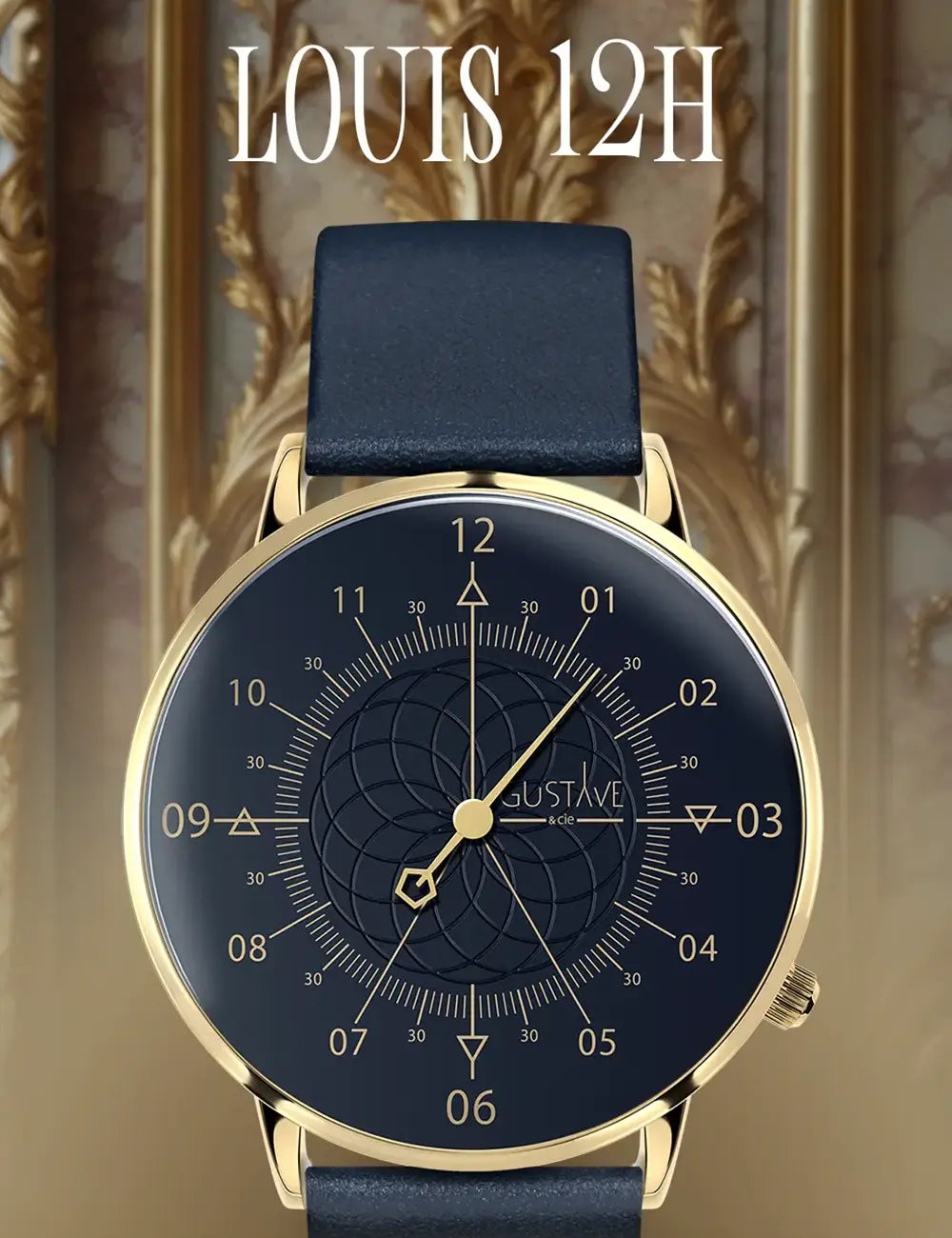
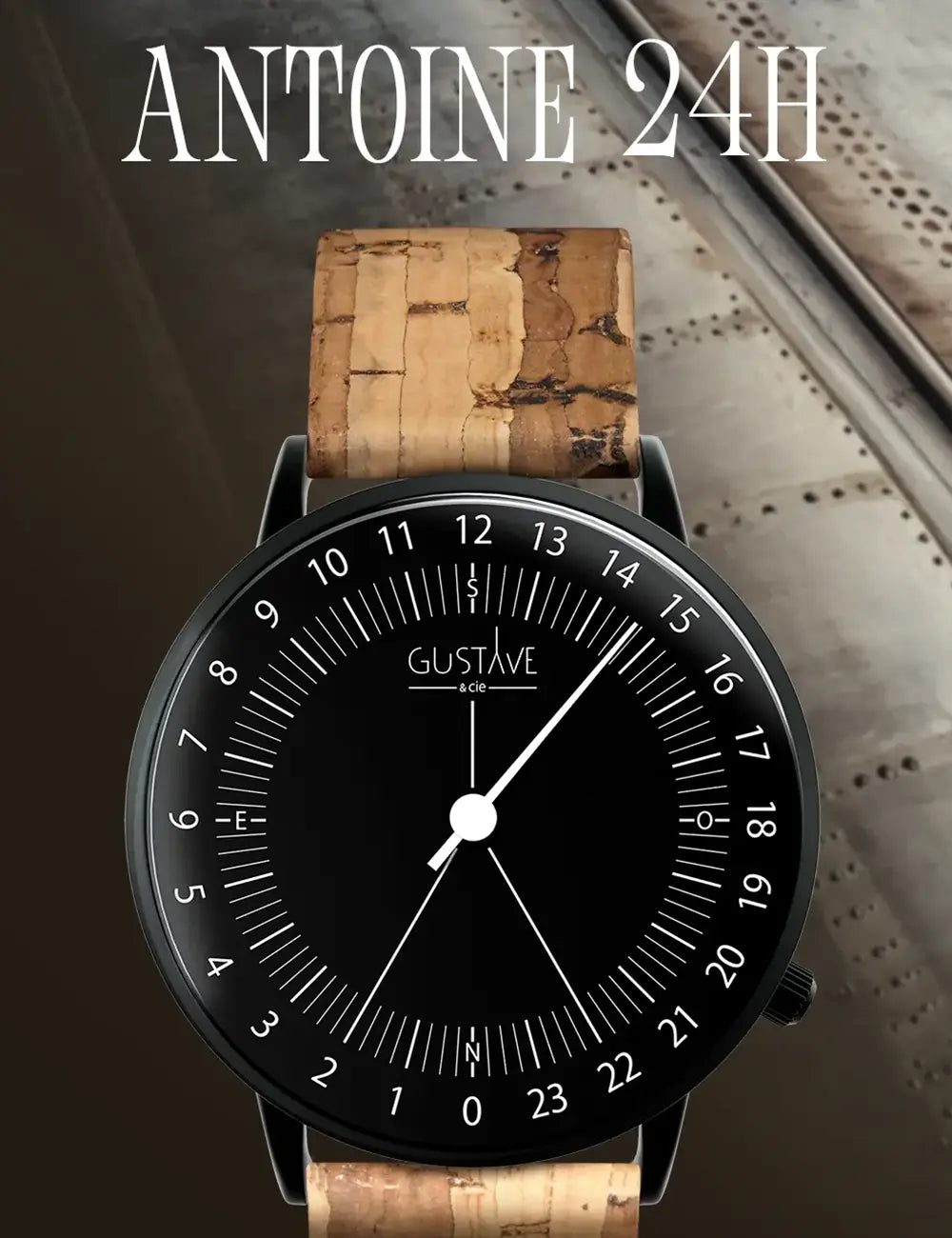
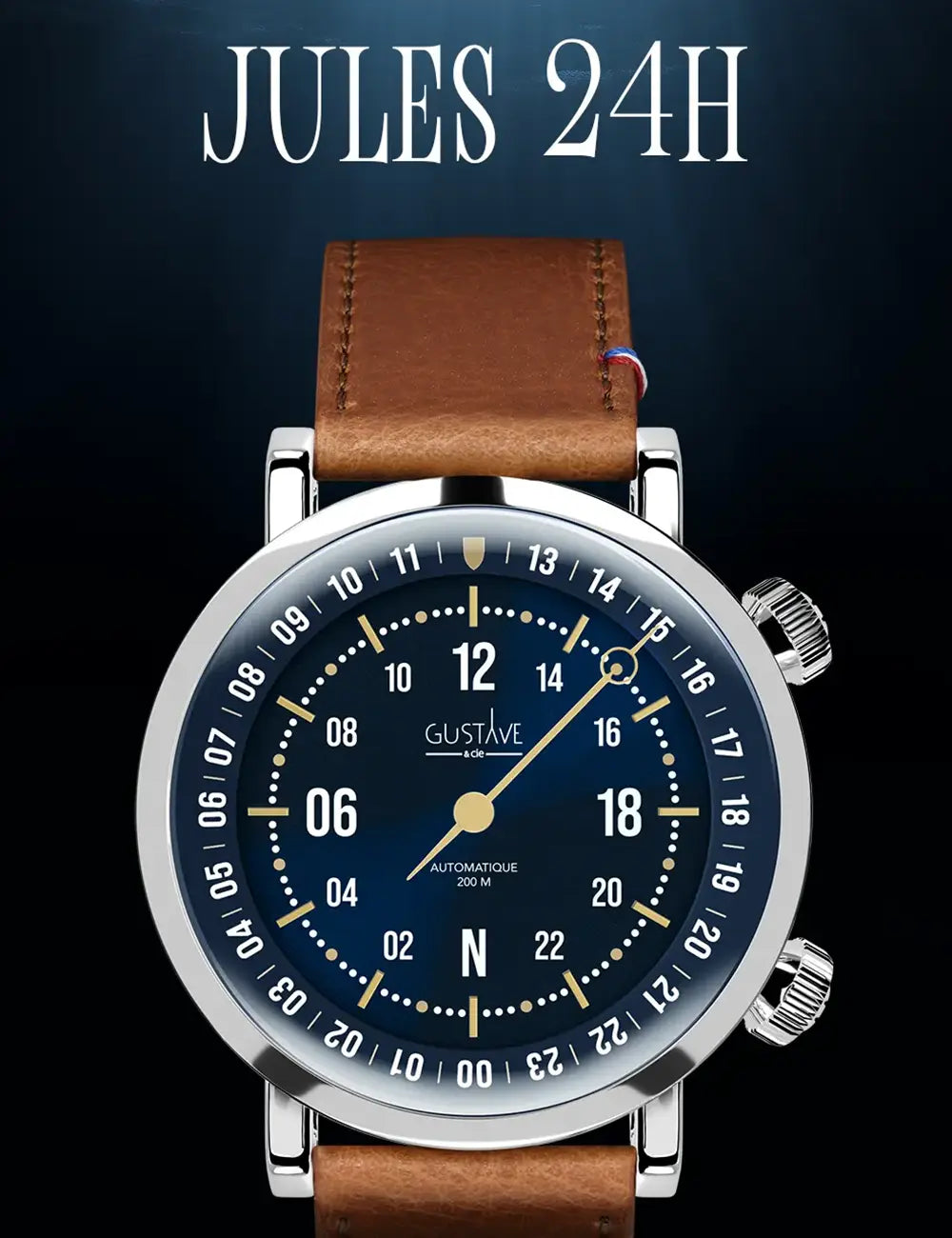
This is where the approach of a French brand like Gustave & Cie, although evolving discreetly within this landscape, proposes an interesting reflection. By bringing the single-hand dial or the 24-hour display back to the forefront, horology sheds the frantic race of seconds to offer only a holistic and peaceful reading of the day. Time is no longer chopped up; it glides. Rethinking the design of the object that measures time fundamentally alters the way we perceive it. The absence of a minute hand forces us to accept a slight approximation, to let go of absolute control to find a natural breathing space, thereby transforming a measuring tool into a true art of living.
To go further : Our article on single-hand watches
Redefining your own rhythm: Practical steps for a more serene daily life
Understanding the excesses of our relationship with time in modern societies is the first step. The second consists of taking action, of regaining control of one's schedule without cutting oneself off from the world. The Art of Living is also the art of knowing when to stop. Here are a few keys to integrating this elegance of slowness into your daily life:
-
Sanctify certain periods: Establish immutable rituals. Whether it is your morning coffee taken in absolute silence for ten minutes, or a walk at the end of the day without any electronic devices, these little bubbles of eternity act as pressure-relief valves. They anchor you in the present moment and reset your nervous system.
-
Practise selective disconnection: We do not need to be available at every moment. Disable non-essential notifications on your smartphone. Set dedicated time slots for checking your emails and social networks. You will quickly realise that the world does not collapse if you do not reply within the minute.
The importance of grounding and intention
One of the most powerful methods for slowing down is to cultivate absolute attention to what you are doing. Multitasking, long praised, is actually an energy disperser that gives us the illusion of efficiency while exhausting us. Try single-tasking: when you read, read. When you listen to someone, listen to them fully. This total engagement in the current action expands the perception of duration, and the quality of the experience is considerably enriched.
Finally, learn to say "no". It is undoubtedly the most difficult advice to apply, but the most liberating. Declining an unimportant social invitation or refusing an extra task that would encroach upon your balance is saying "yes" to yourself. It is protecting your mental space and your energy. Time is your most precious resource; it is up to you to choose to whom and to what you offer it with discernment.
Conclusion
Ultimately, questioning our relationship with time in modern societies means asking ourselves what kind of life we wish to lead. Time is not an invisible enemy that inexorably flows away to escape us. It is the backdrop of our existence, the raw material of our memories, our passions, and our human relationships.
The contemporary Art of Living no longer resides in the accumulation of frantic experiences, but in the ability to sort, to select, and to immerse oneself totally in what truly matters. It is the elegance of simplicity and the immense luxury of deliberate slowness. By cultivating the Slow Time philosophy and allowing ourselves to break free from the stopwatch, we do not lose time: we win it back, richer, denser, and infinitely more profound. We once again become the captains of our hours, transforming each day no longer into a race, but into a marvellous promenade.


Leave a comment
This site is protected by hCaptcha and the hCaptcha Privacy Policy and Terms of Service apply.