


The Rise of Horological Micro-Brands: The New Breath of Watchmaking
Since the mid-2010s, the so-called affordable watchmaking sector, generally situated between €200 and €1,200, has undergone a major structural transformation. Faced with the historic and unavoidable giants of the sector, a breath of fresh air is blowing through the market.
The rise of horological micro-brands is no longer a simple niche phenomenon, but a true revolution shaking up established standards. These young houses, often born from the passion of a few founders and propelled by crowdfunding, are imposing a new vision of horological creation. By combining transparency, creative audacity, and rethought economic models, they capture the attention of a new generation of enthusiasts. An analysis of a dynamic trend that is redesigning today's horological landscape.

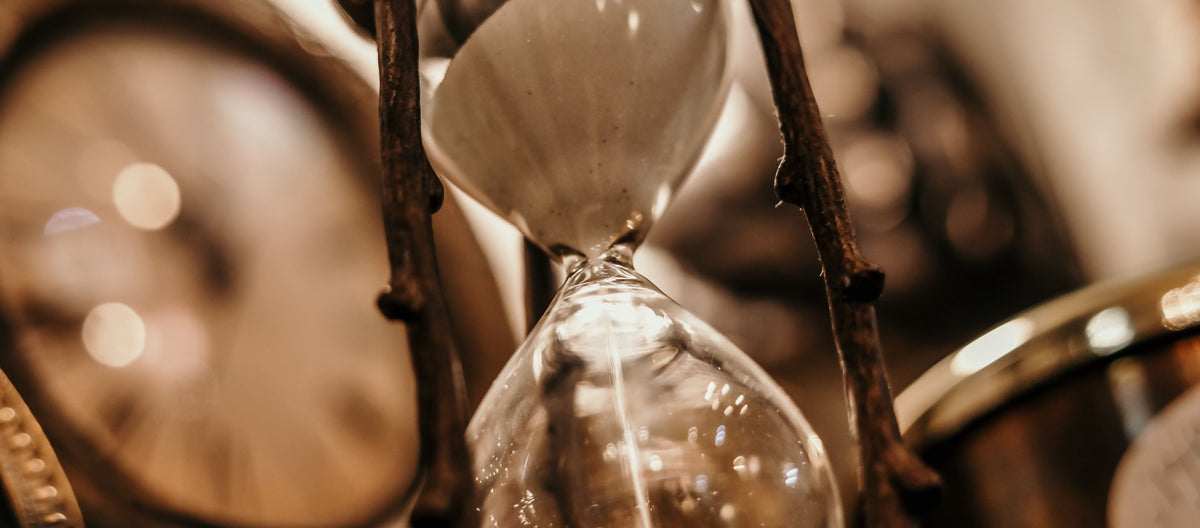
The meticulous work of an artisan within a modern watchmaking workshop.
What is a horological micro-brand?
The term "micro-brand" generally refers to young, independent watchmaking companies producing timepieces in small series. Unlike the large Swiss or Japanese houses that manufacture millions of units per year and rely on a vast physical distribution network, micro-brands favour a direct economic model (Direct-to-Consumer). They sell their collections predominantly online, which allows them to drastically reduce the margins of traditional intermediaries.
This structural agility offers them unprecedented freedom of action. Founders are often in direct contact with their customers via social media, gathering feedback, adjusting future models, and creating a loyal community even before the launch of a new collection. This collaborative and ultra-connected model is one of the fundamental pillars of their success in a market once deemed impenetrable.
To go further : Detailed article on the development of micro-brands
A fierce competition on value for money
One of the main drivers of the rise of horological micro-brands lies in their ability to offer top-flight technical specifications at extremely competitive prices. The competition regarding value for money has become fierce. Today, the standards of the entry-level and mid-range have evolved considerably.
Enthusiasts now expect to find premium finishes even on accessible models. The use of high-end materials, such as ceramic bezels or scratch-resistant sapphire crystals, is on the verge of becoming the norm right from the entry-level. On the mechanical side, these creators do not hesitate to source automatic movements renowned for their reliability. We frequently find recognised Japanese calibres, but also Swiss movements (like the Soprod) or even micro-rotor calibres, thus seeking technical finesse and mechanical beauty.
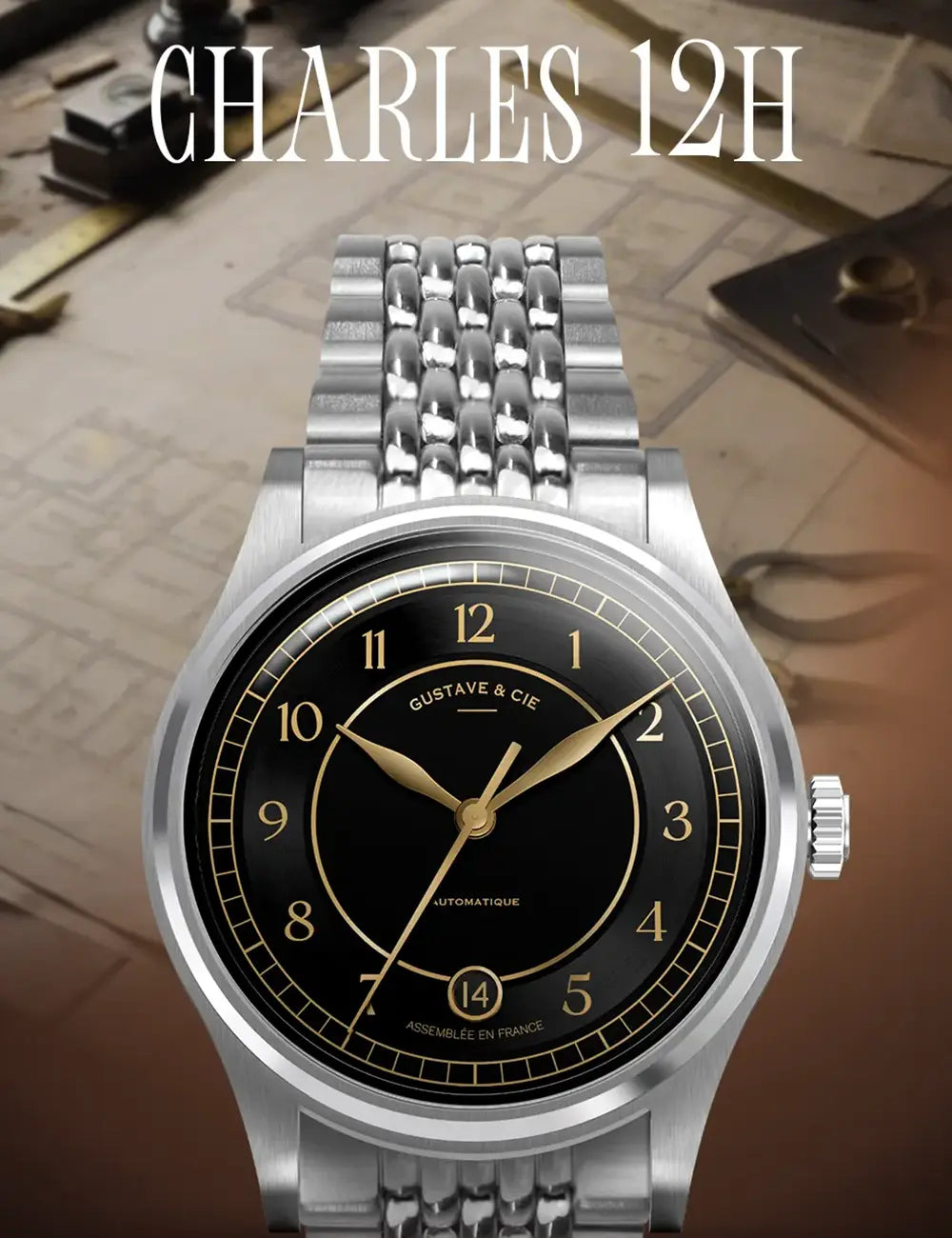
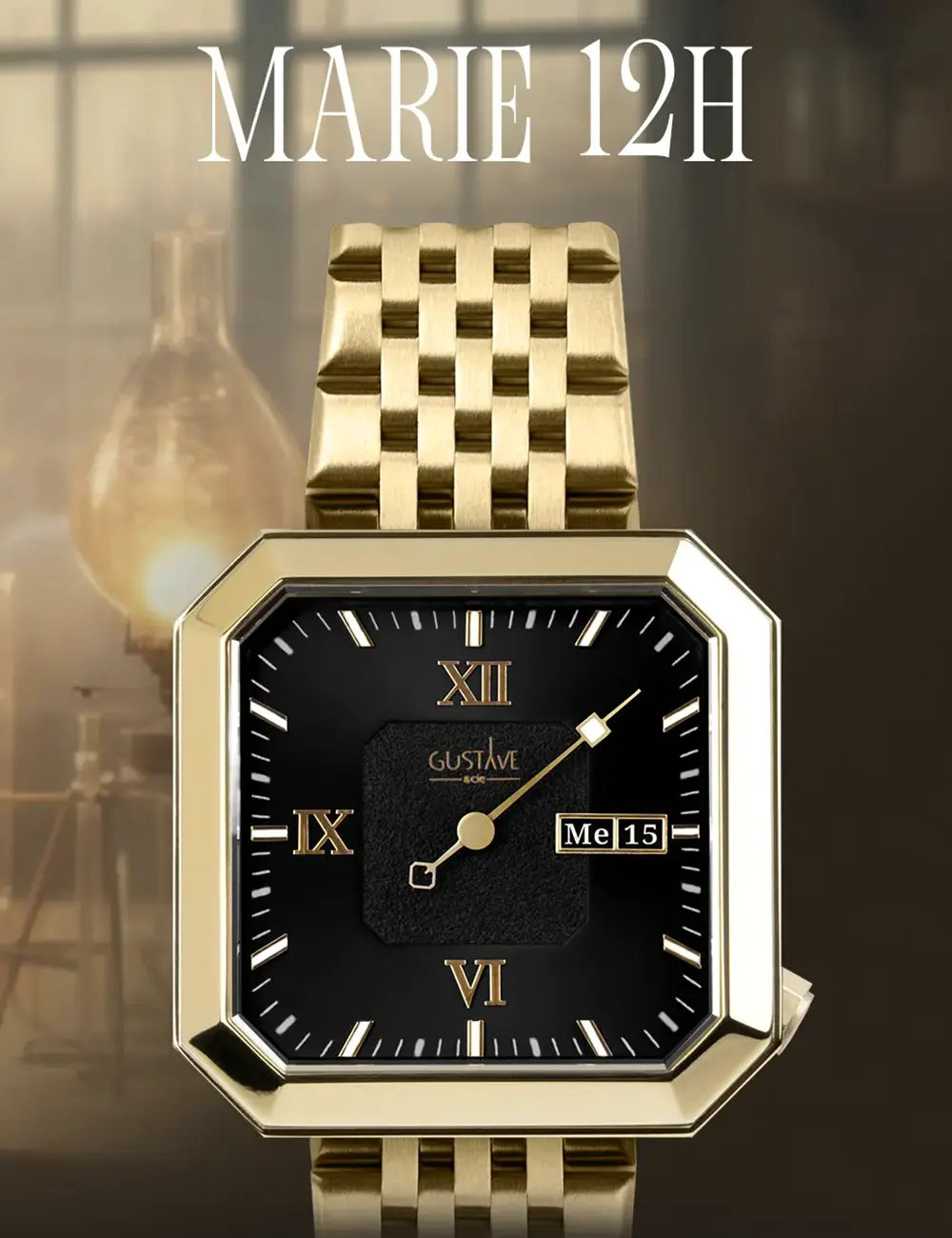
This sourcing approach is often accompanied by total transparency. The place of assembly has become a crucial differentiation criterion; watch lovers increasingly value local human intervention, favouring watches assembled in France or Europe rather than fully imported products.
Creative audacity and the revival of design
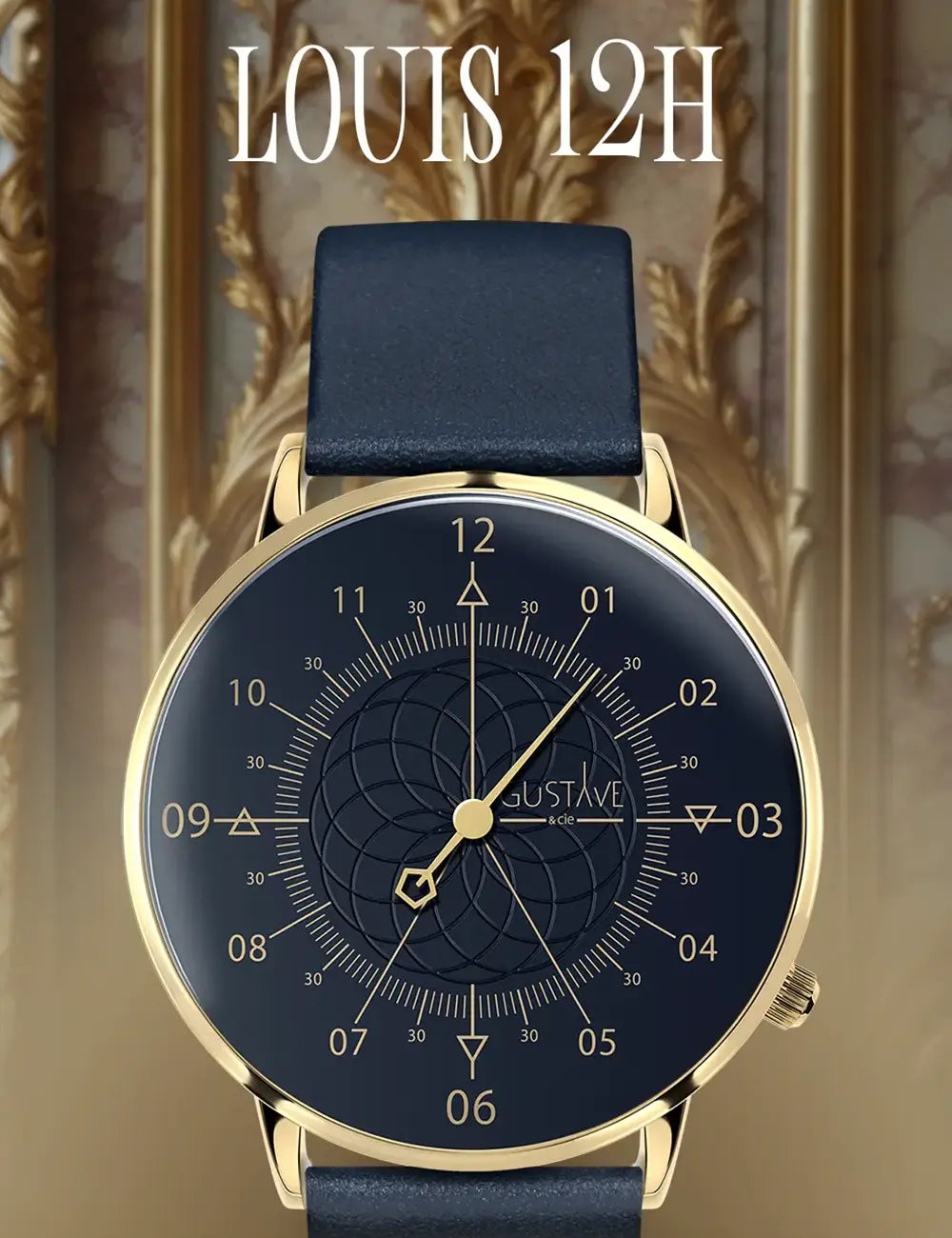
Freed from the heavy historical weight that sometimes constrains large houses to tirelessly repeat their classics, micro-brands enjoy total freedom of design. This creative audacity manifests itself through a reinterpretation of aesthetic codes and the exploration of new visual avenues.
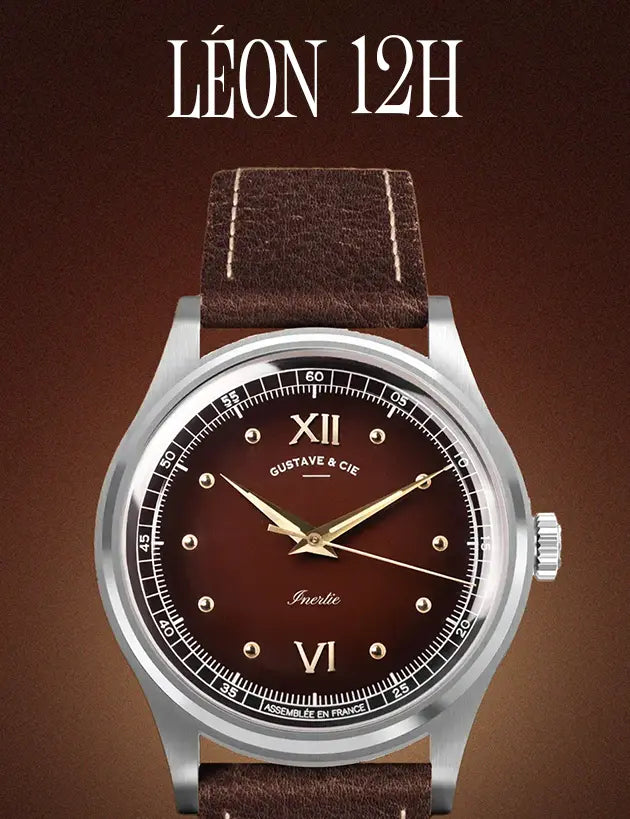
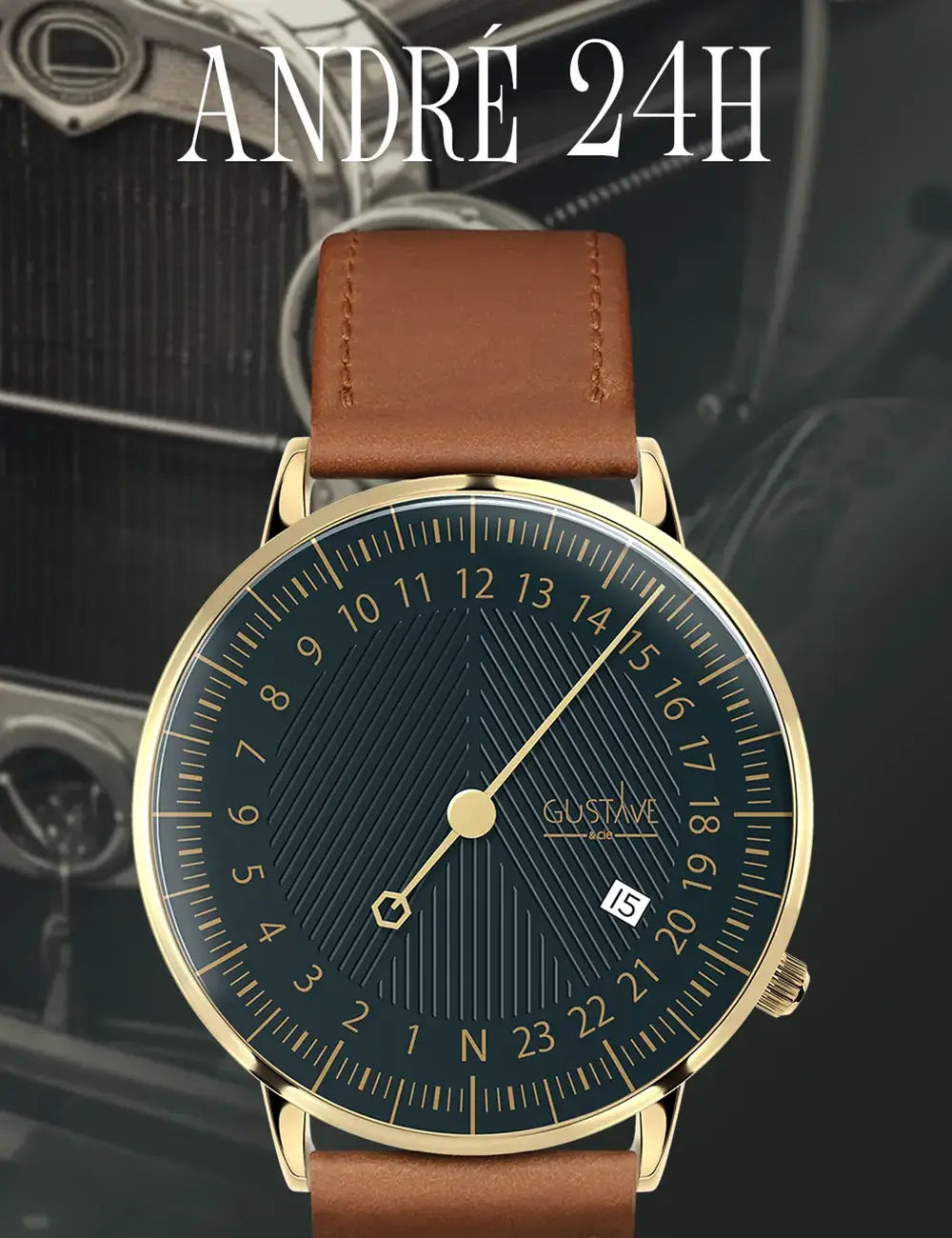
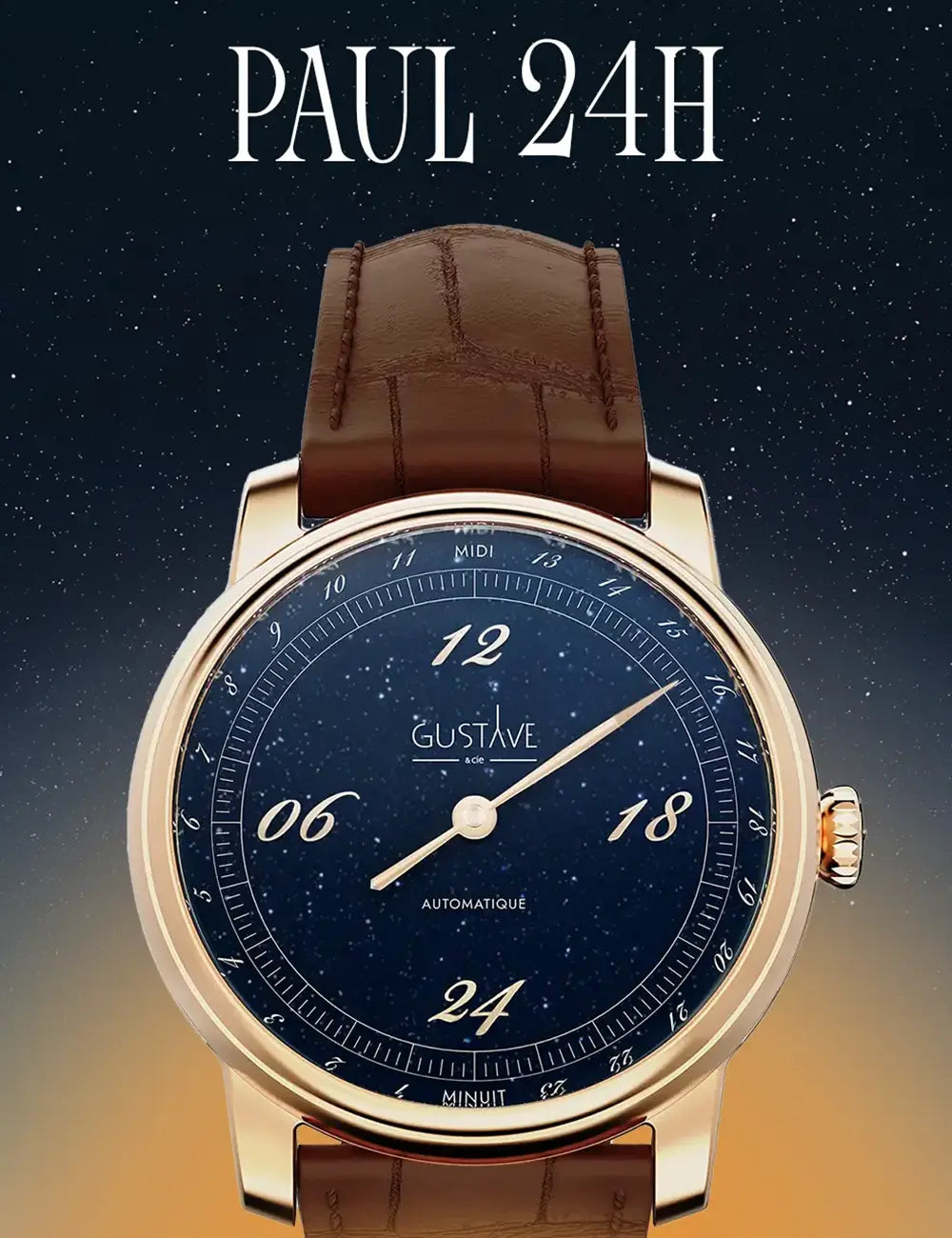
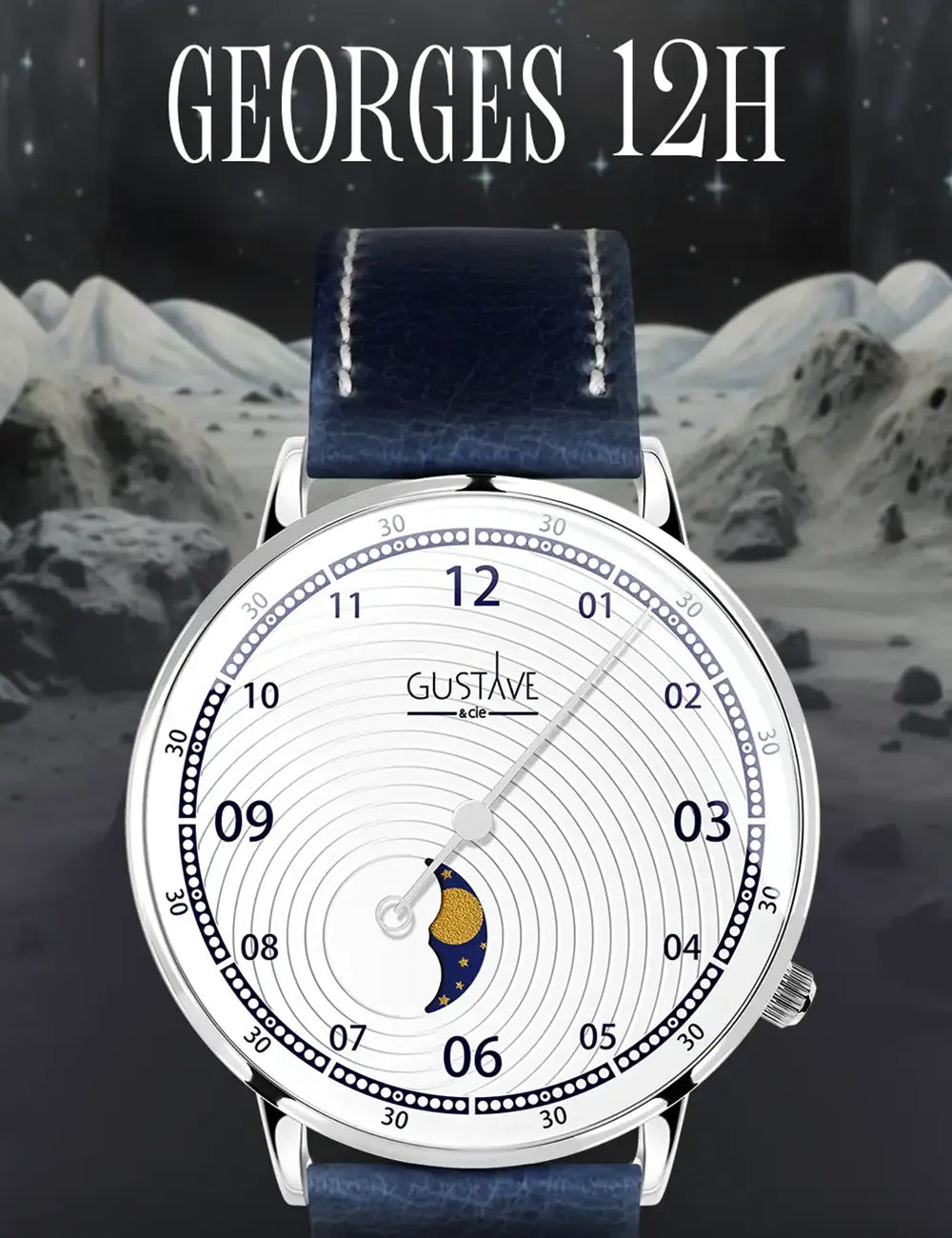
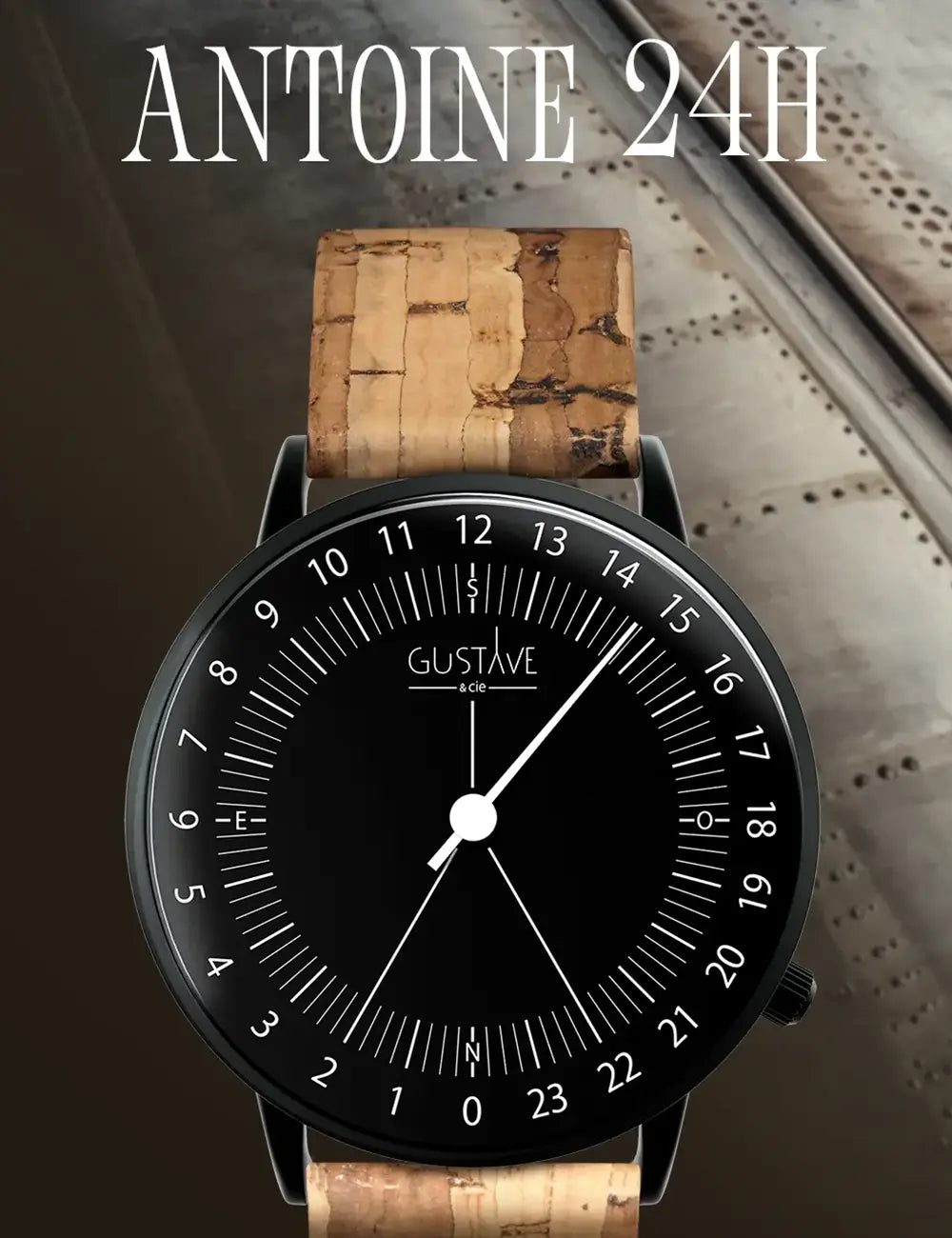
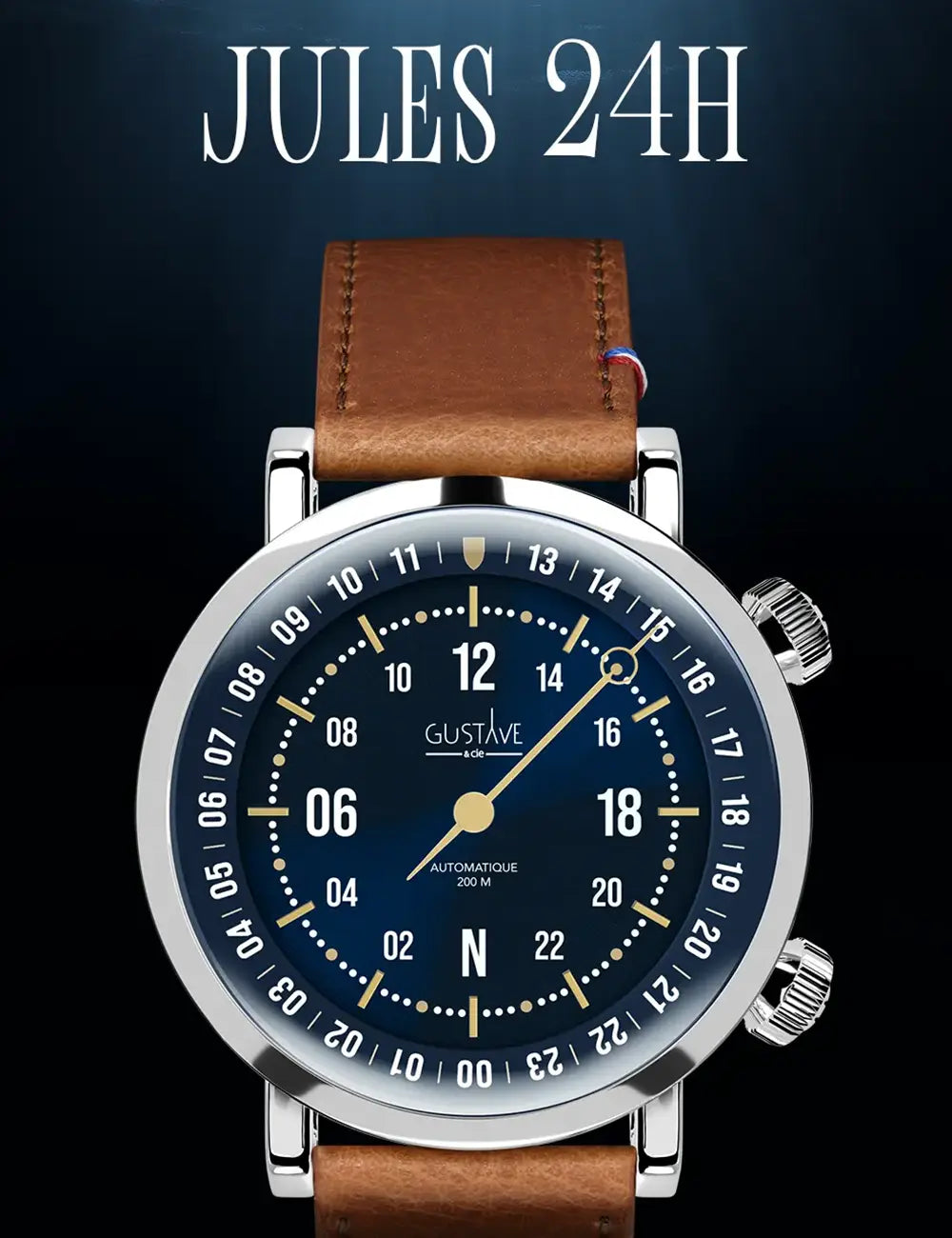
Aesthetically, textured and coloured dials are gradually replacing overly classic designs. Creators do not hesitate to offer natural stone dials, vibrant hues, or atypical displays. It is in this context that original concepts, such as 24-hour time reading or the single-hand (proposed by brands like Slow, Vasco, or indeed Gustave & Cie), find a favourable echo with an audience in search of singularity.
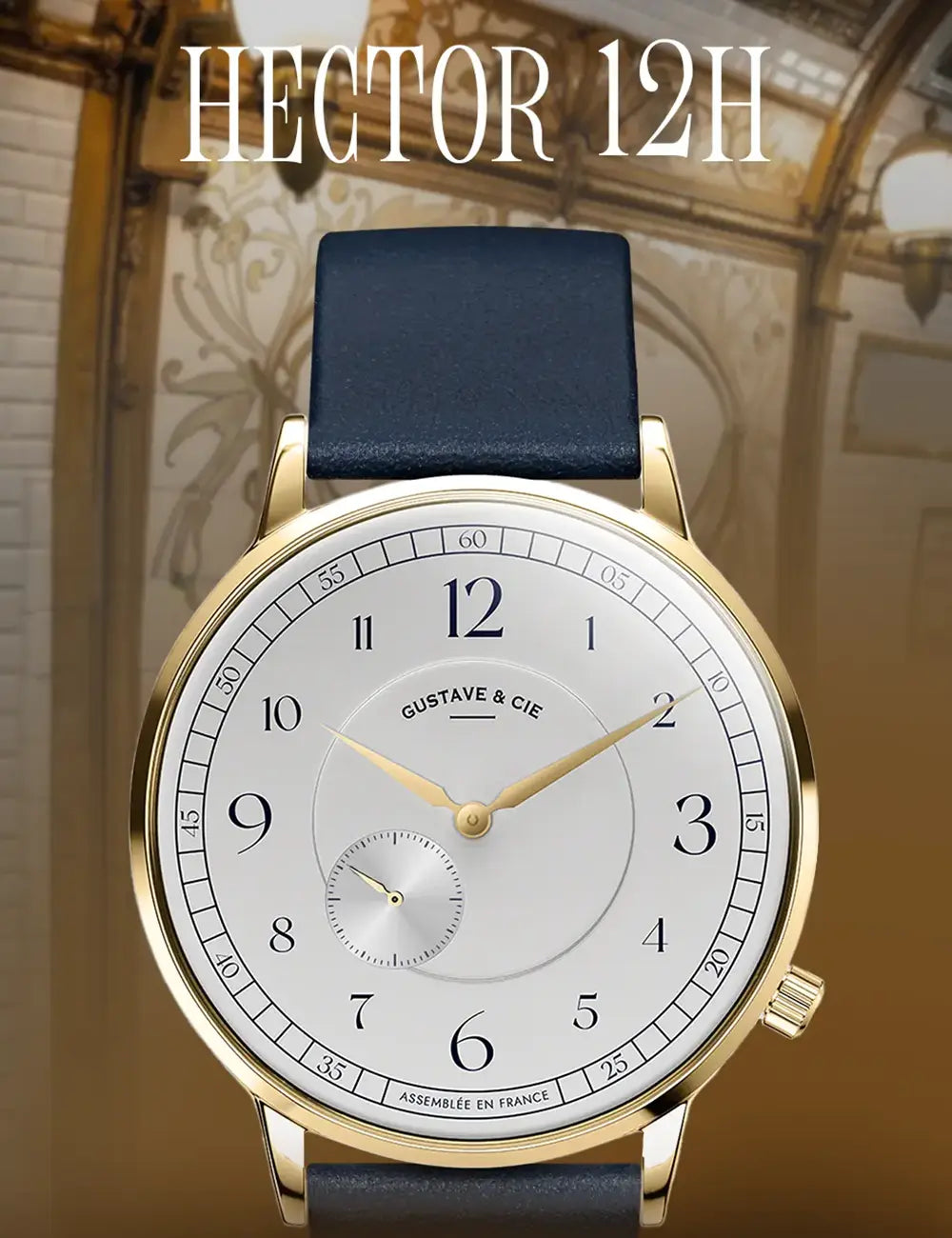
Furthermore, we are observing a strong evolution in measurements. Current standards are shifting towards more contained diameters, generally between 36 and 39 mm, making it possible to offer more unisex and elegant models that adapt to all wrists.

The aesthetic diversity of micro-brands: textured dials, singular hues, and contemporary designs. From left to right, Baltic prismic stone Heliotrope, Gustave & Cie Léon Lin model, Ming 29.06 Peepshow.
The power of a community engaged by storytelling
While technique and price are essential, the true key to success for these new brands is emotion. Storytelling is not merely a marketing tool; it is one of the most important levers for increasing the perceived value of a watch. The brands that succeed best are those that transcend the simple technical specification sheet to tell a captivating story.
Some micro-brands, like Baltic, excel in creating extremely well-produced digital content, blending professional photography and immersive videos that create a genuine aura around their products. They use social media (notably Instagram) daily to share behind the scenes of their workshops, the unpredictability of daily life, or the atmosphere of their showrooms.
Others choose to anchor their collections in strong historical and cultural references. By linking a model to a great historical figure or a defining era, the watch becomes a "conversation starter"—an object that tells a story well beyond its primary function of indicating the time. This emotional connection fosters loyalty within the community and transforms simple buyers into true ambassadors.
Conclusion
The rise of horological micro-brands does not mark the end of traditional large houses, but rather signals the advent of a rich and stimulating coexistence. By placing agility, transparency, and audacity at the centre of their development, these independent creators have successfully awakened an industry that was sometimes resting on its laurels. Today, they prove that it is possible to offer timepieces endowed with a genuine soul, beautiful finishes, and a captivating history, all at a fair price. A refreshing dynamic that promises yet more beautiful innovations for the years to come.
Discover our collection of watches assembled in France
Leave a comment
This site is protected by hCaptcha and the hCaptcha Privacy Policy and Terms of Service apply.