


How to Choose the Right Watch Strap: Leather, Steel, or Textile?
The heart of a watch lies in its movement, but it is undoubtedly the strap that defines its character on a daily basis. In horology, choosing a watch strap is not merely an aesthetic question. It is a decision that directly impacts wearing comfort, the durability of the piece, and how well it suits your lifestyle. A classic timepiece can thus be transformed into a true field instrument, or conversely, simply by changing the material that secures it to your wrist.
Yet, faced with a multitude of available materials, it is easy to feel lost. Should you favour the timeless nobility of leather, the unfailing robustness of steel, or the technical versatility of textile? Each material possesses its own codes, history, and technical specificities. To preserve your timepiece whilst asserting your style, it is essential to understand the strengths and weaknesses of each option.
The Leather Strap: Timeless Elegance and Absolute Comfort
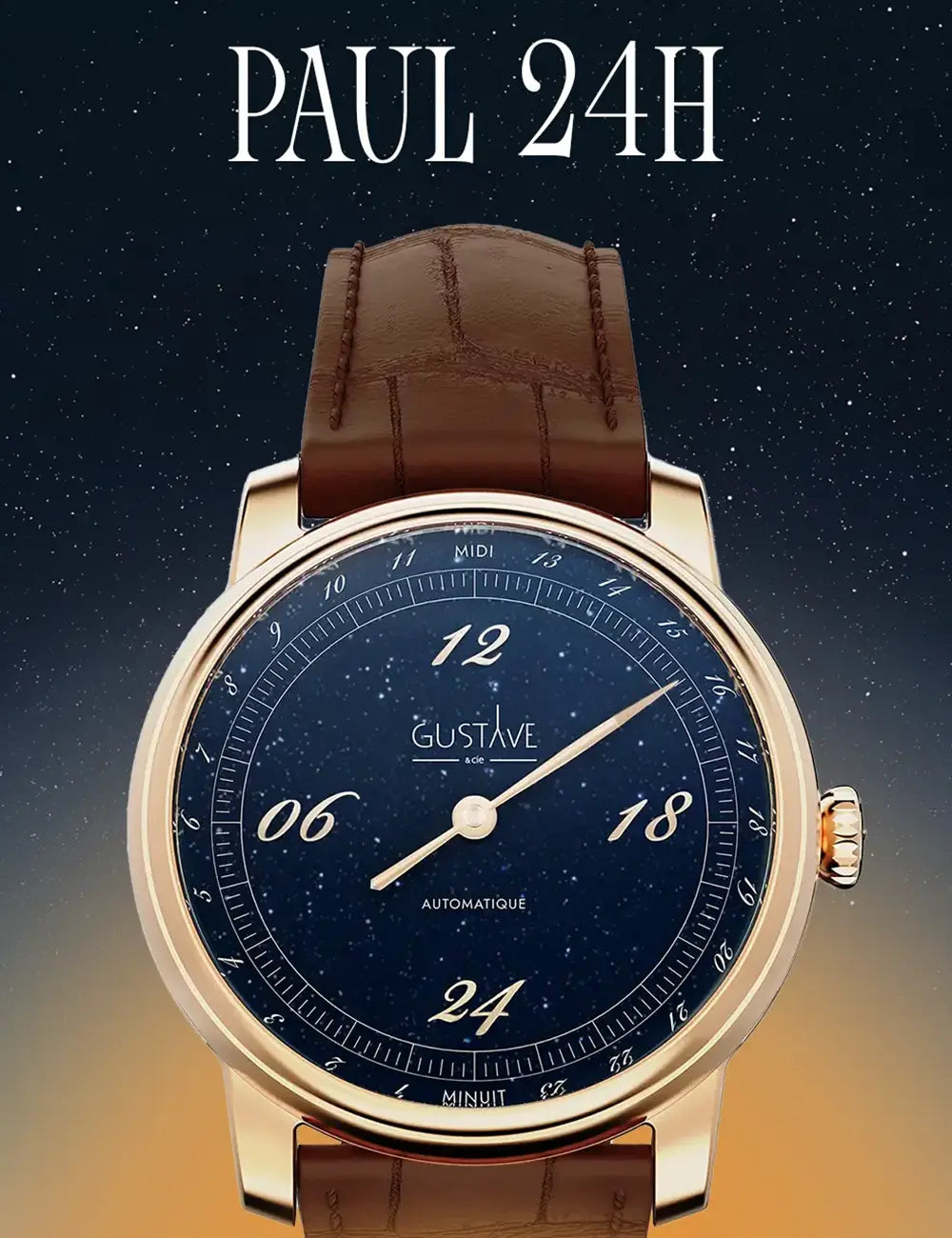
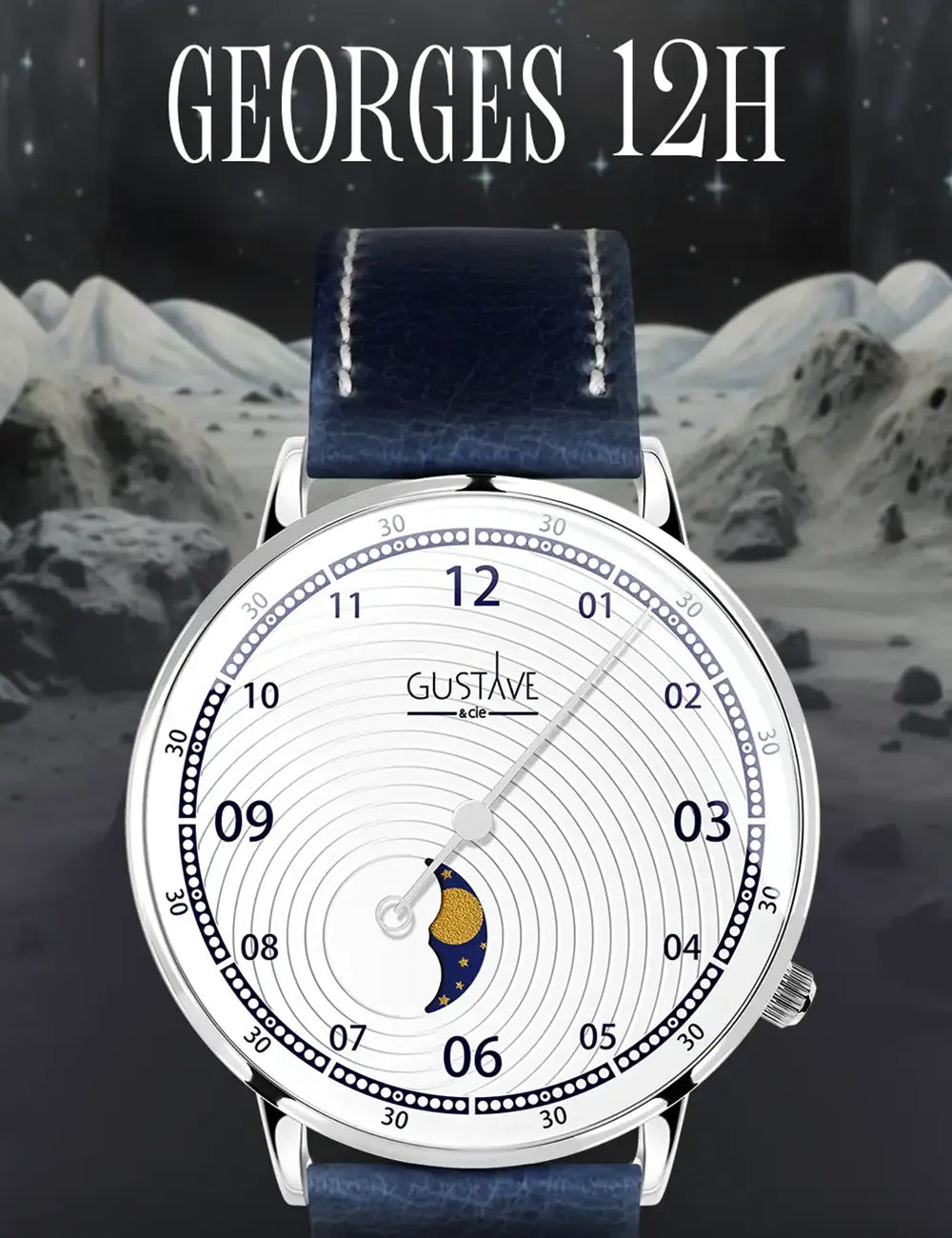
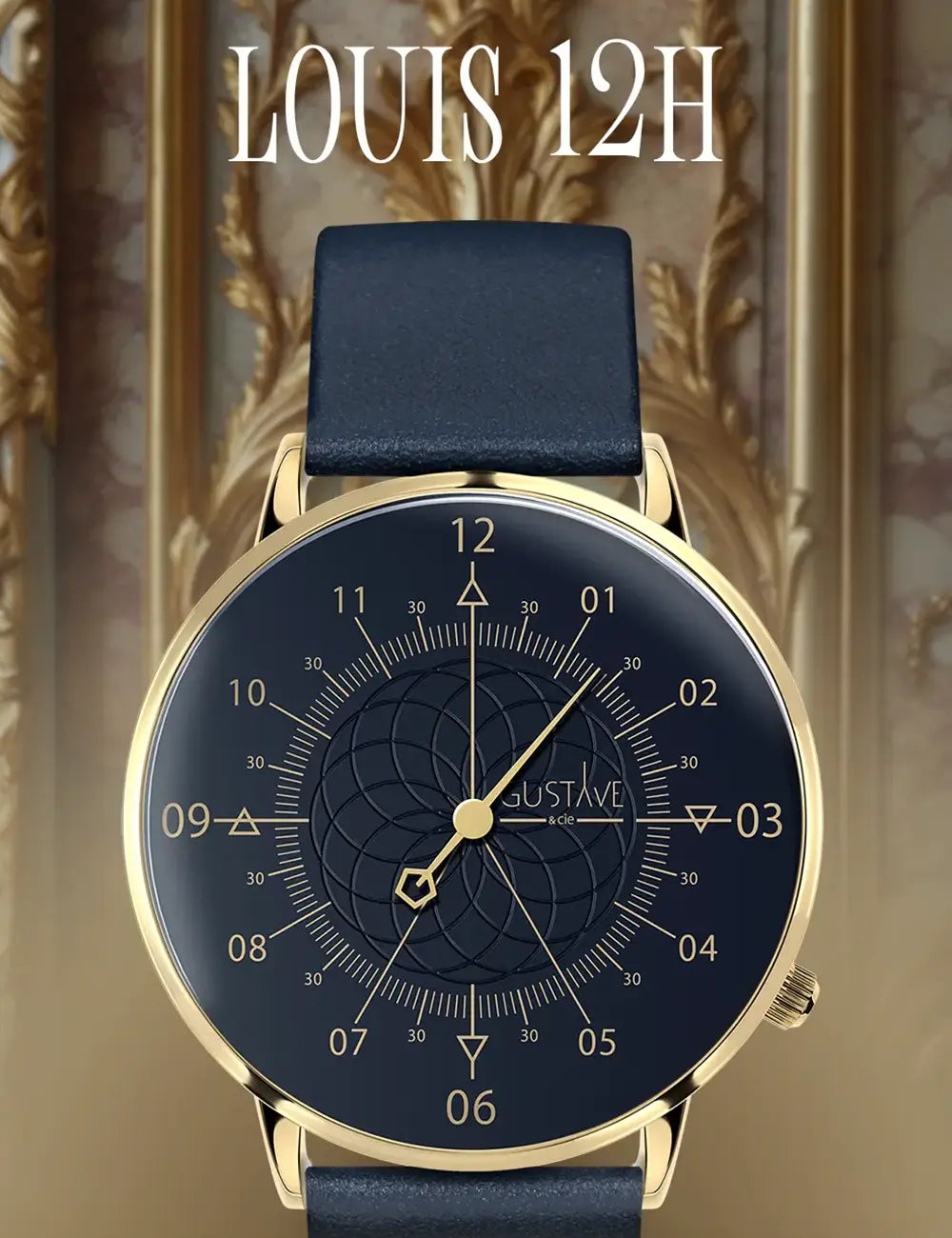
Leather is the historical and traditional material par excellence in watchmaking. Whether it is bovine leather, frequently used for its resilience and regular grain, or exotic leathers reserved for haute horlogerie, this natural material provides unparalleled warmth and elegance. The leather strap is the preferred choice for dress watches, city wear, and formal professional environments.
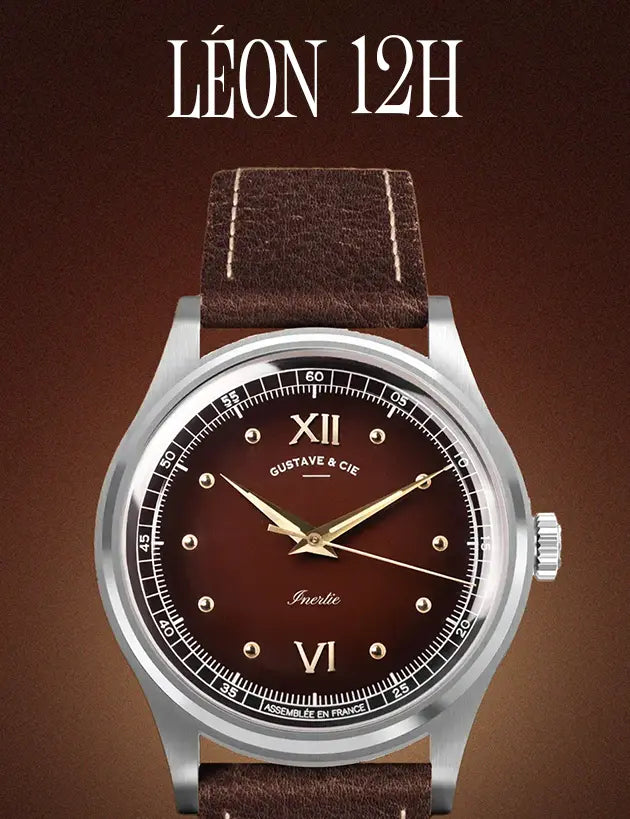
One of the great advantages of leather lies in its ability to adapt to the wearer's morphology. As the weeks pass, the material softens and perfectly moulds to the curvature of the wrist, offering bespoke comfort. Furthermore, a high-quality leather strap will develop a unique patina over time, making your watch truly personal. Finishes vary considerably, ranging from smooth to grained leather, often enhanced by contrasting topstitching that highlights the leatherworker's craftsmanship.
However, leather is a living material that requires certain precautions. It is naturally porous and sensitive to moisture, extreme temperature fluctuations, and cosmetic products. It is therefore strongly advised against wearing a leather strap during intense sporting activities, swimming, or in extreme heat, as this will accelerate its deterioration. To prolong its lifespan, it is recommended to let the leather breathe by not wearing the watch overnight.
To go further : Leather strap maintenance guide
The Steel Bracelet: Robustness and Everyday Versatility
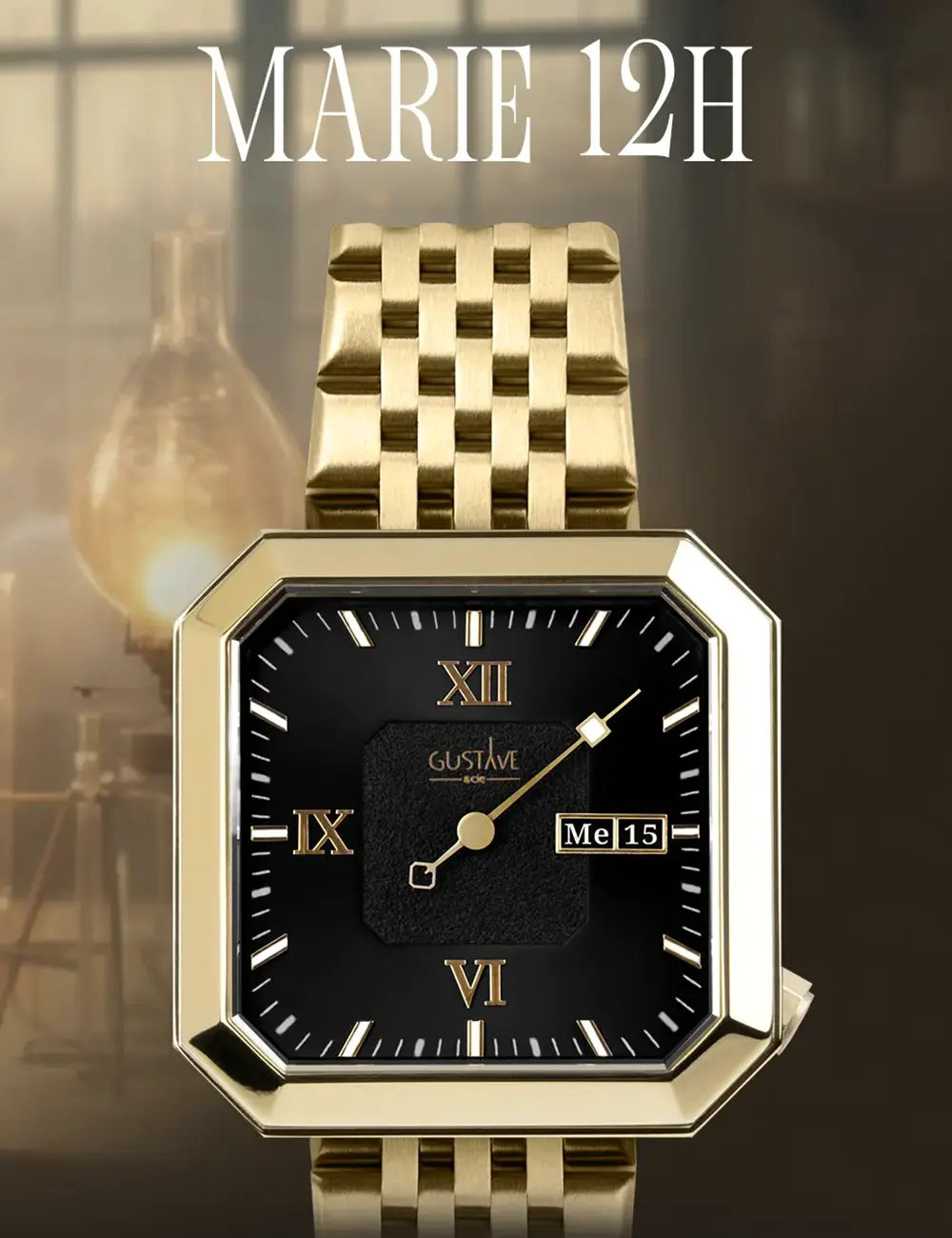
If leather embodies classic elegance, metal is the symbol of the tool watch. The steel watch bracelet, typically crafted from 316L stainless steel, has been designed to withstand the most hostile environments. It is the material of choice for dive watches, sports chronographs, and adventure timepieces.
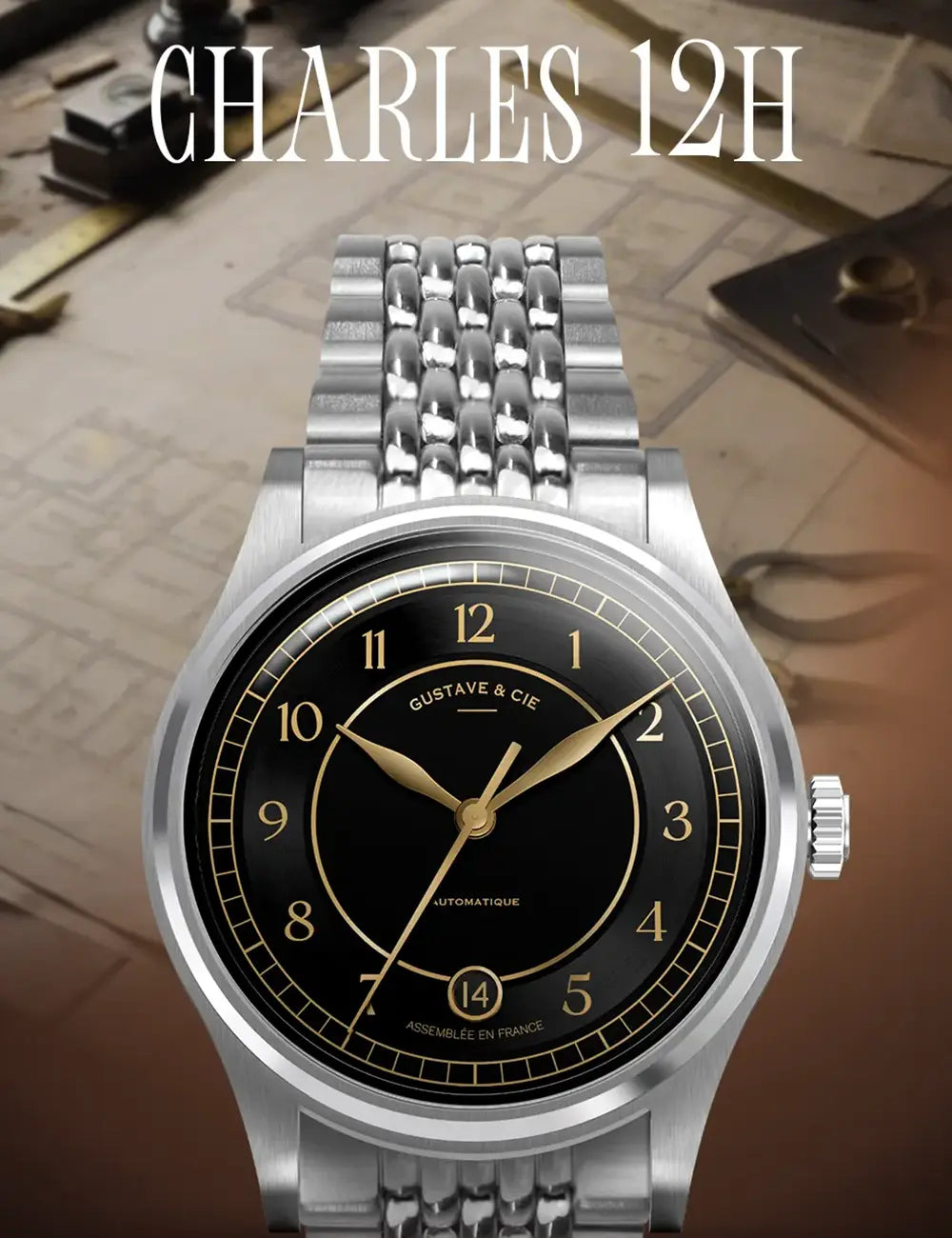
Steel presents the major advantage of being completely impervious to water, perspiration, and UV rays. It does not warp and requires minimal maintenance: a simple clean with fresh water and a soft brush is enough to restore its shine. Visually, steel catches the light and lends a more assertive presence to the watch on the wrist. Finishes can be brushed for a matte, discreet look, or polished for a more luxurious and brilliant appearance.

Close-up of a steel Gustave & Cie watch bracelet showing the elegant contrast between the brushed central clasp and polished links.
Among metallic options, the Milanese mesh holds a special place. Woven from fine steel threads, it offers an exceptional compromise: the durability of metal coupled with the flexibility of a fabric. The Milanese mesh adjusts with great precision and imparts a style that is both vintage and highly sophisticated, adapting equally well to both masculine and feminine wrists. The only drawbacks of steel remain its weight, which may surprise those accustomed to lighter materials, as well as its susceptibility to surface scratches over the years.
Textile (NATO and Perlon): A Technical and Casual Heritage
The textile strap was long confined to strictly utilitarian use before capturing the hearts of watch enthusiasts. Its most famous representative is the NATO strap. Developed in 1973 by the British Ministry of Defence, this woven nylon strap was designed to meet a strict specification: to be robust, unfailing, and comfortable under extreme conditions.
The technical distinctiveness of the NATO strap lies in its single-piece design that passes beneath the watch's spring bars. Thus, if one of the spring bars were to fail during an impact, the case would remain attached to the wrist by the second bar. Beyond the NATO, there is also the Perlon strap, recognisable by its braided nylon. Perlon is extremely thin, breathable, and offers millimetric adjustment as it lacks predefined holes: the buckle pin simply slips through the weave.
To go further : Article on the origins of the NATO strap
Textile straps are the champions of the summer season and casual attire. They are incredibly lightweight, do not irritate the skin, and perfectly withstand saltwater and perspiration. Their maintenance is child's play: they can generally be washed in a washing machine (at a low temperature, inside a mesh bag). Their wide variety of colours and patterns allows a classic watch to be metamorphosed into a fun, dynamic accessory for the weekend.
The Interchangeability System: Adapt Your Watch in the Blink of an Eye
Today, choosing a watch strap no longer means committing to it for several years. Modern horology has greatly facilitated personalisation thanks to quick-release spring bar systems. This lug mechanism allows for a simple and rapid strap change, without requiring the slightest watchmaker's tool.
This innovation fundamentally changes the way we consume watchmaking. It is now commonplace to own a single watch case accompanied by a veritable "wardrobe" of straps. The lug width (the distance between the case lugs where the strap is attached) is an essential standard to verify before any purchase. A width of 20 mm, for example, offers excellent compatibility with a vast majority of straps on the market.
-
For the office: A smooth or grained leather strap.
-
For holidays: A colourful NATO strap or a brushed steel bracelet.
-
For an elegant evening: A fine Milanese mesh.
3 Essential Criteria to Finalise Your Choice
To ensure you make the right choice, here are the ultimate elements to consider before dressing your timepiece:
-
Case style and thickness: A massive, thick chronograph will balance better with a robust steel bracelet or thick leather. Conversely, an ultra-thin watch demands fine leather or a delicate Milanese mesh to respect its proportions.
-
Climatic environment: If you live in a very hot and humid region, or if summer is approaching, favour textile or steel. Leather, subjected to excessive perspiration, will wear out prematurely.
-
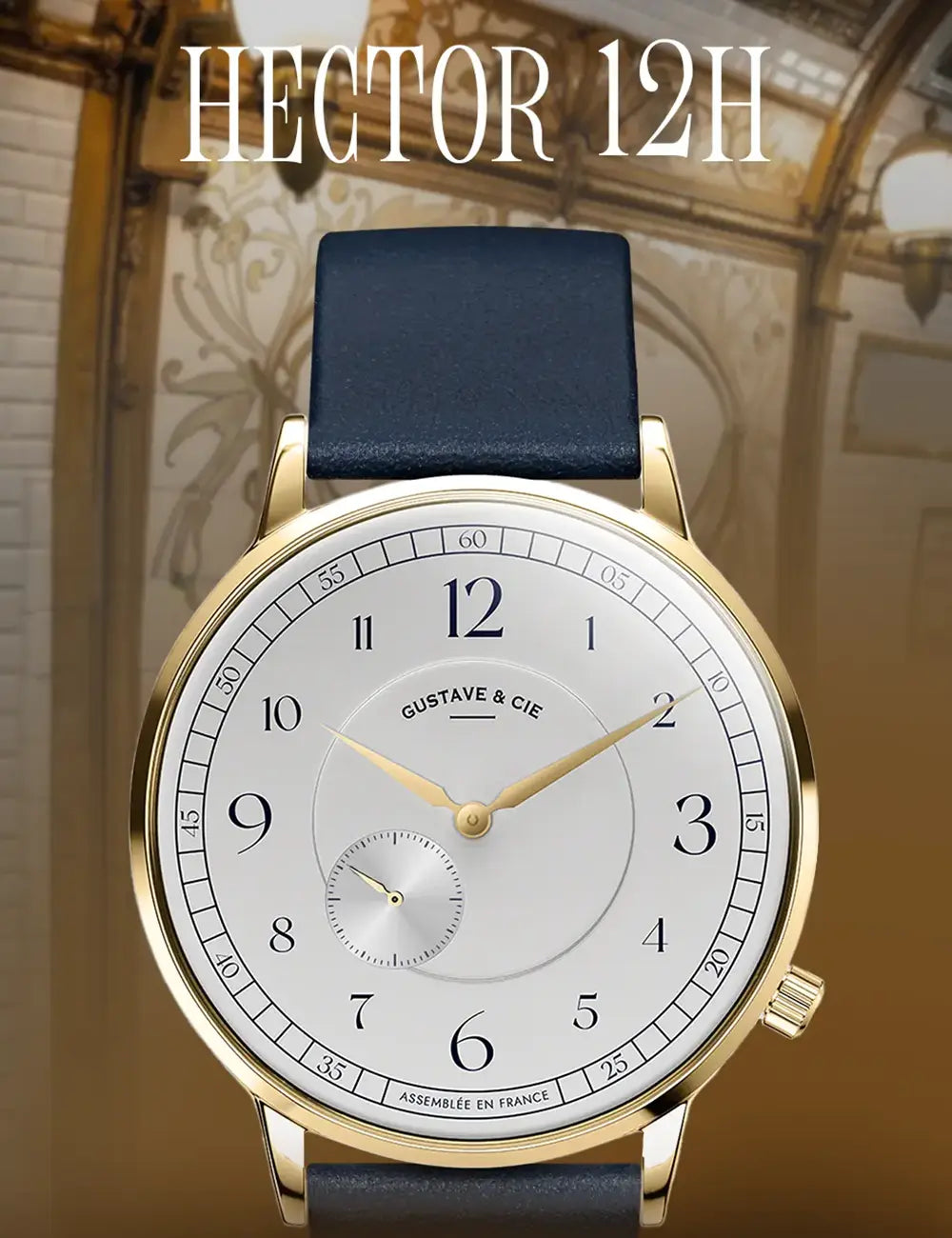
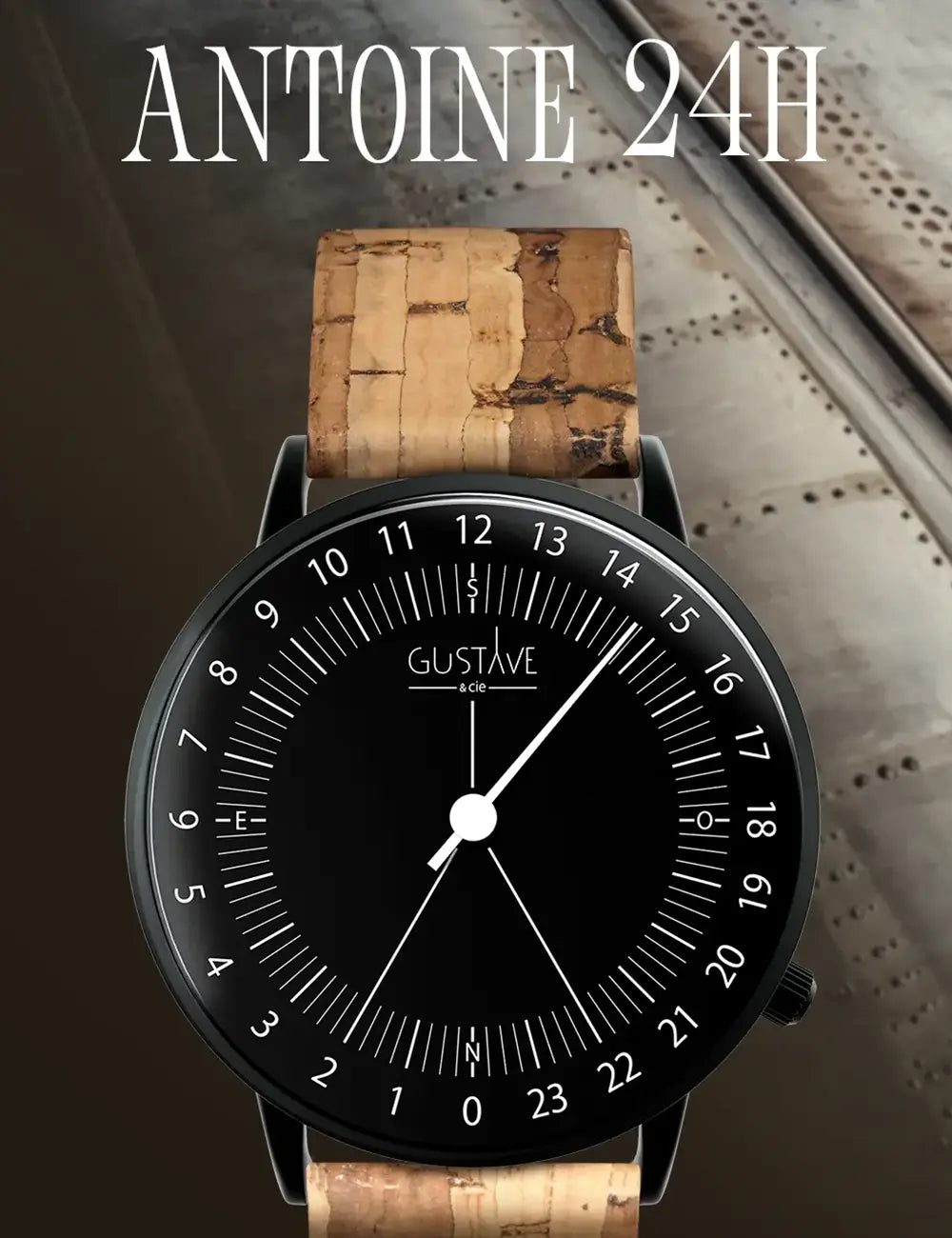
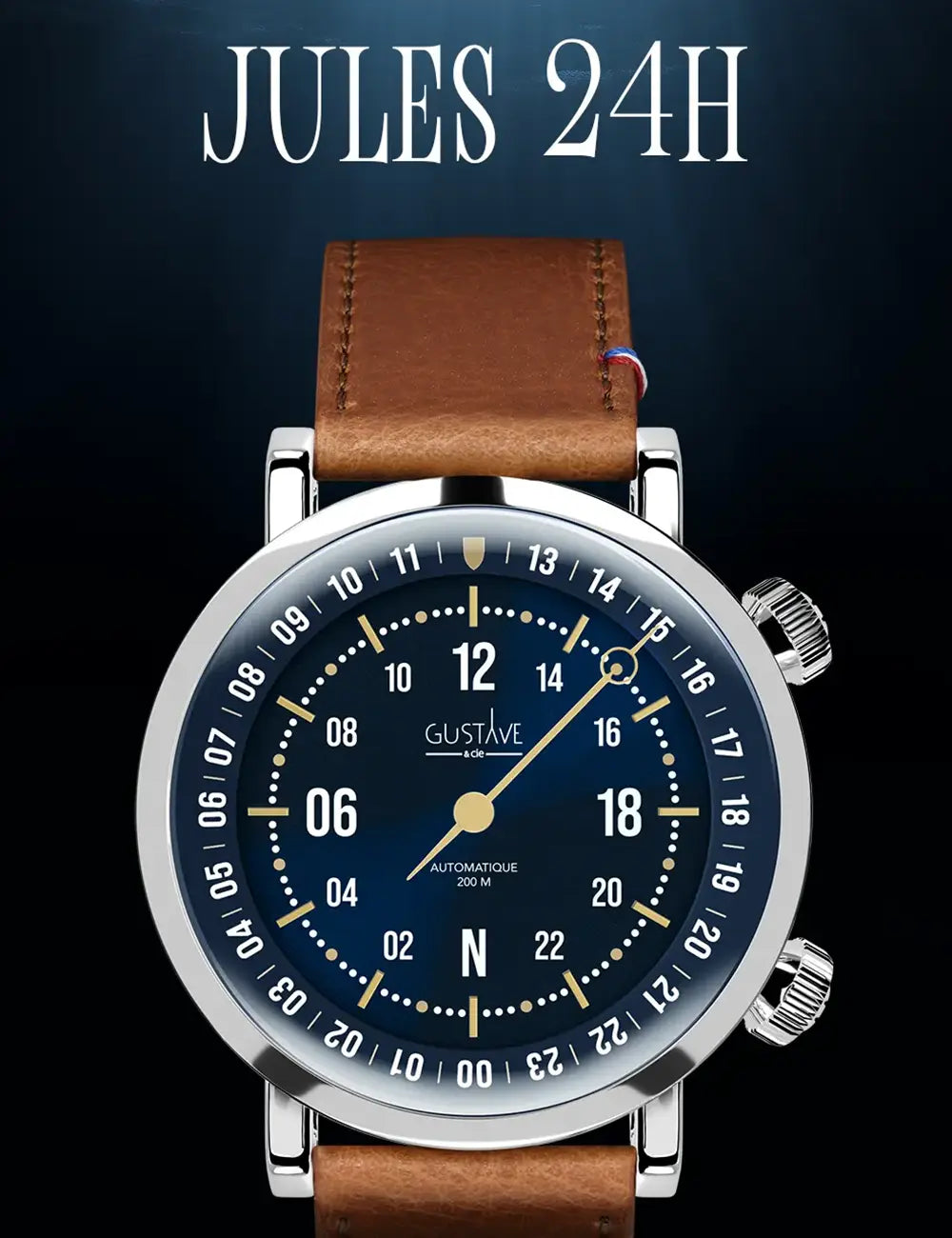
Colour scheme: The dial often dictates the rules. A blue dial pairs magnificently with brown leather (for contrast) or a steel bracelet (for sobriety). Also, ensure that the colour of the buckle (gold, silver, or black) perfectly matches the finish of the case.
Conclusion
Ultimately, the perfect watch strap is the one that aligns with your practical needs and aesthetic requirements. Leather will remain the undisputed master of classic elegance, steel will be your best ally for uncompromising durability, whilst textile will provide that touch of lightness and adventure so highly prized during moments of relaxation. The advantage of contemporary horology is that you no longer have to sacrifice one option for another. Thanks to quick-release systems, your watch can evolve at the pace of your days, offering you the freedom to reinvent your style with a simple gesture.
Discover our collection of interchangeable straps and find the perfect style for your watch

Leave a comment
This site is protected by hCaptcha and the hCaptcha Privacy Policy and Terms of Service apply.