

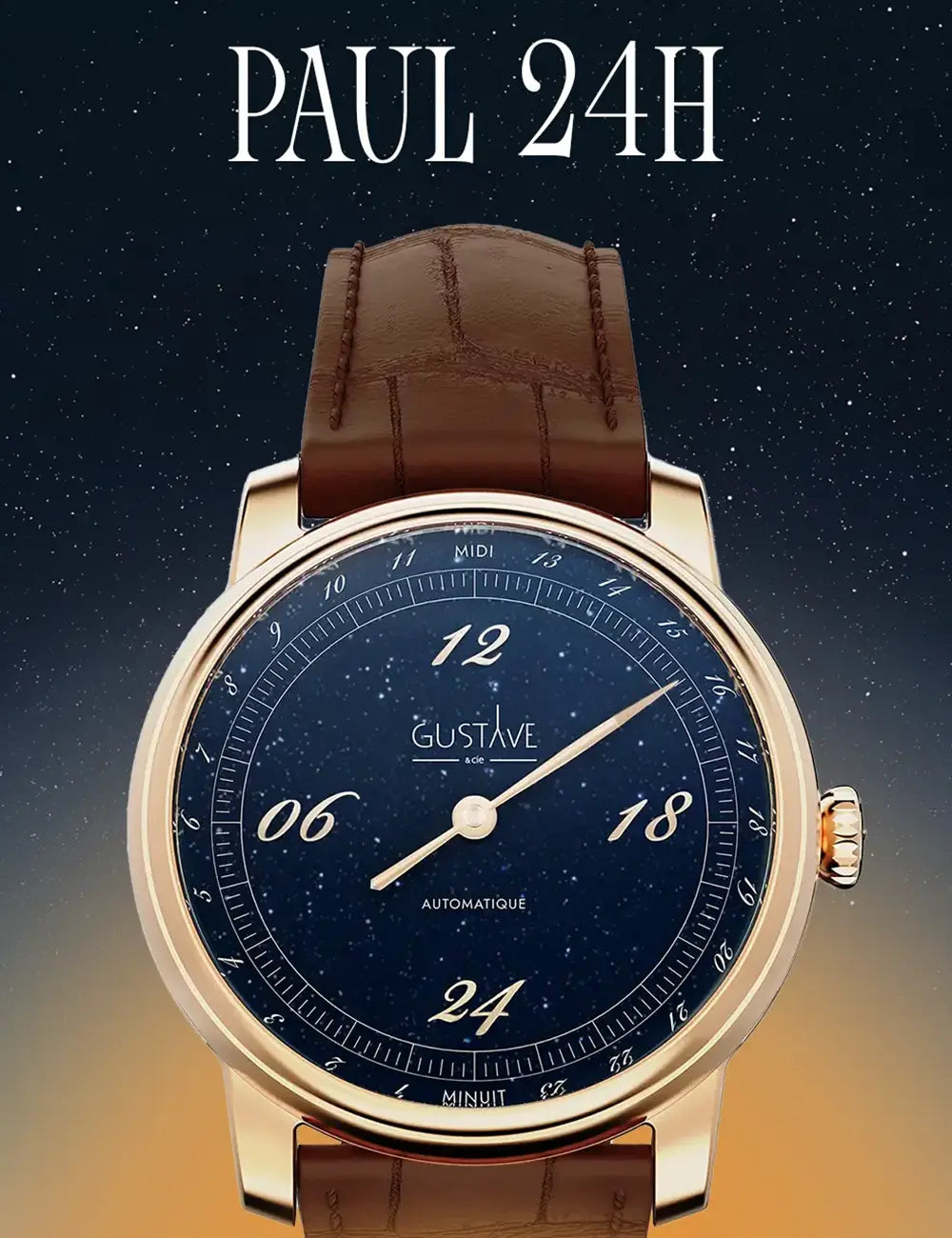
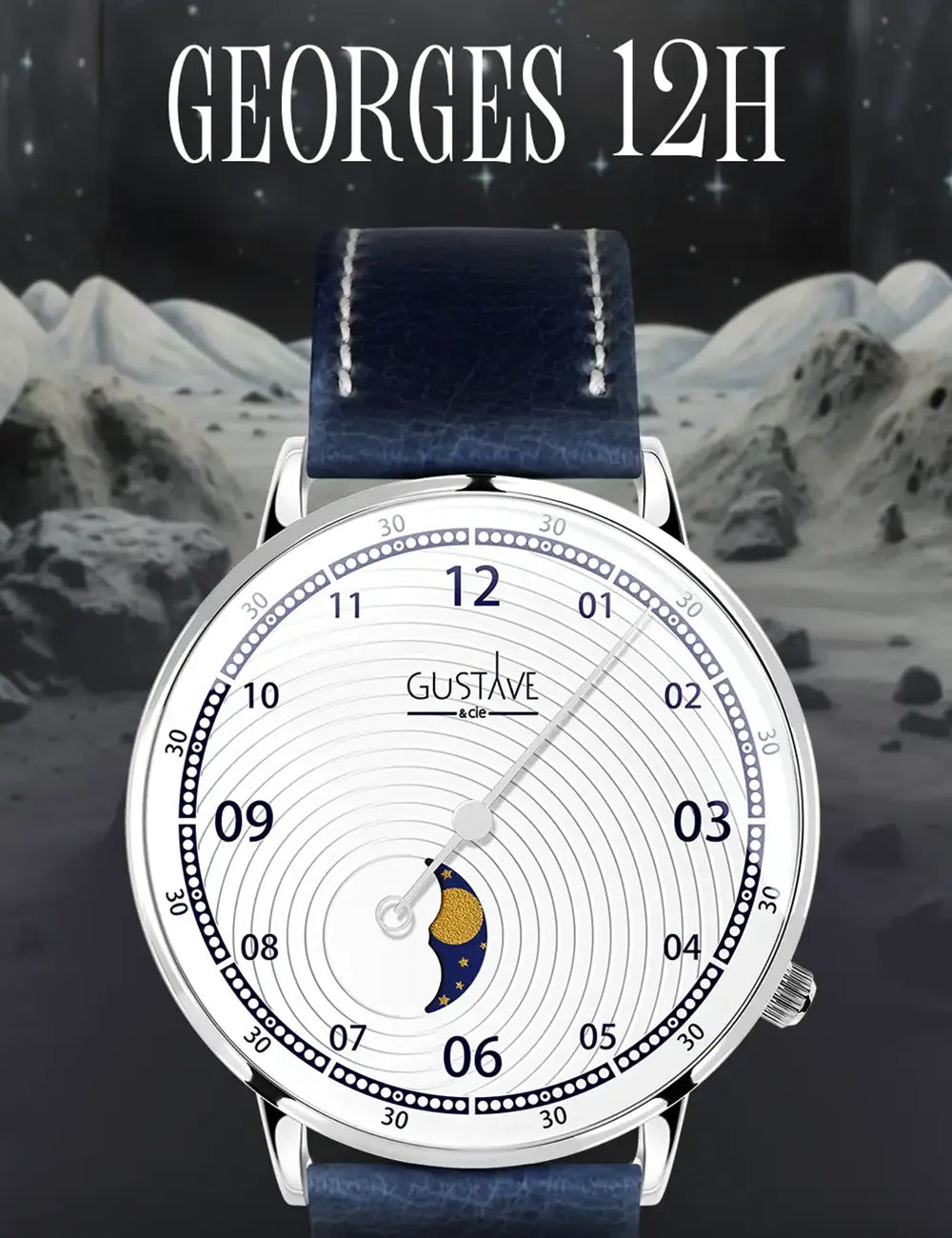
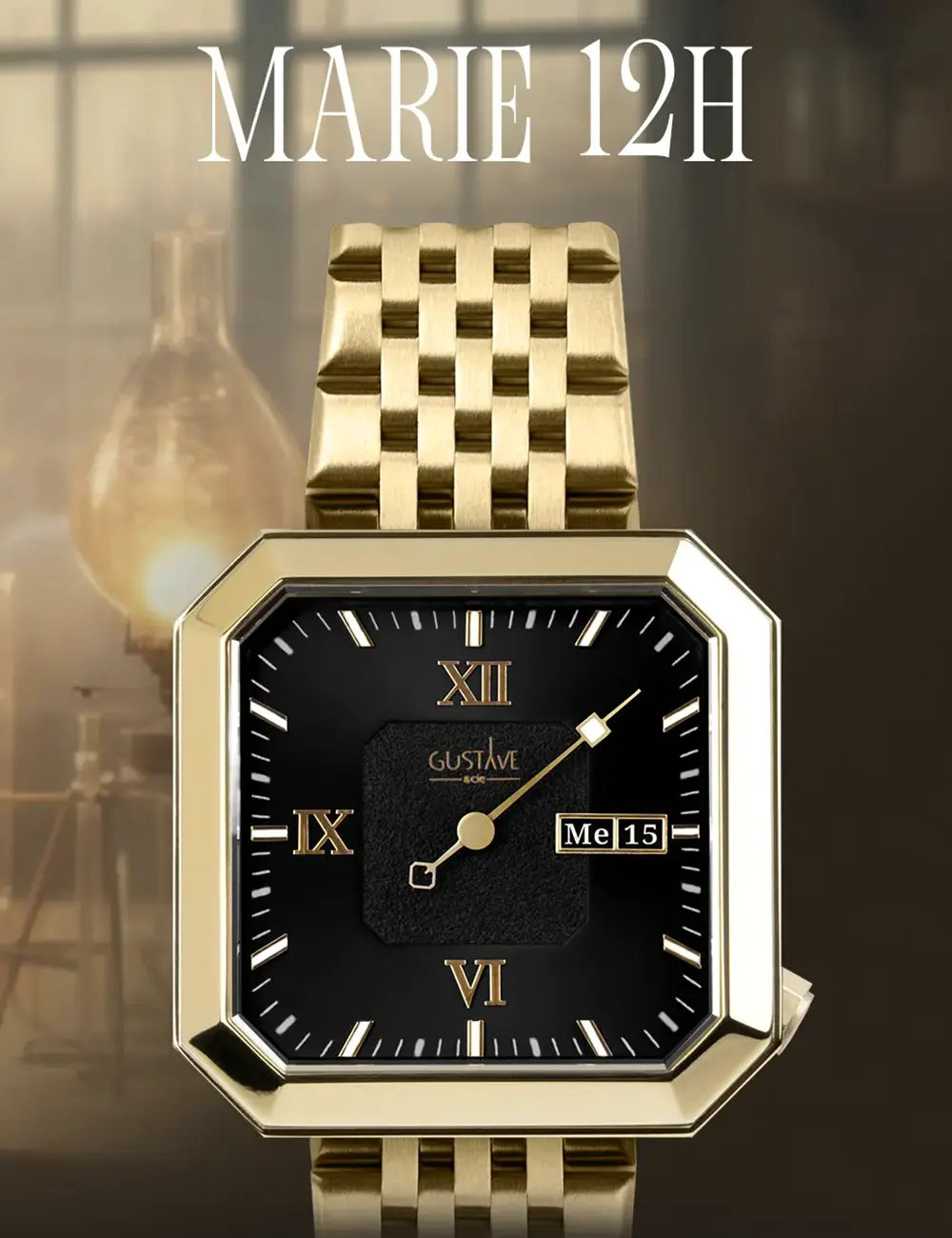
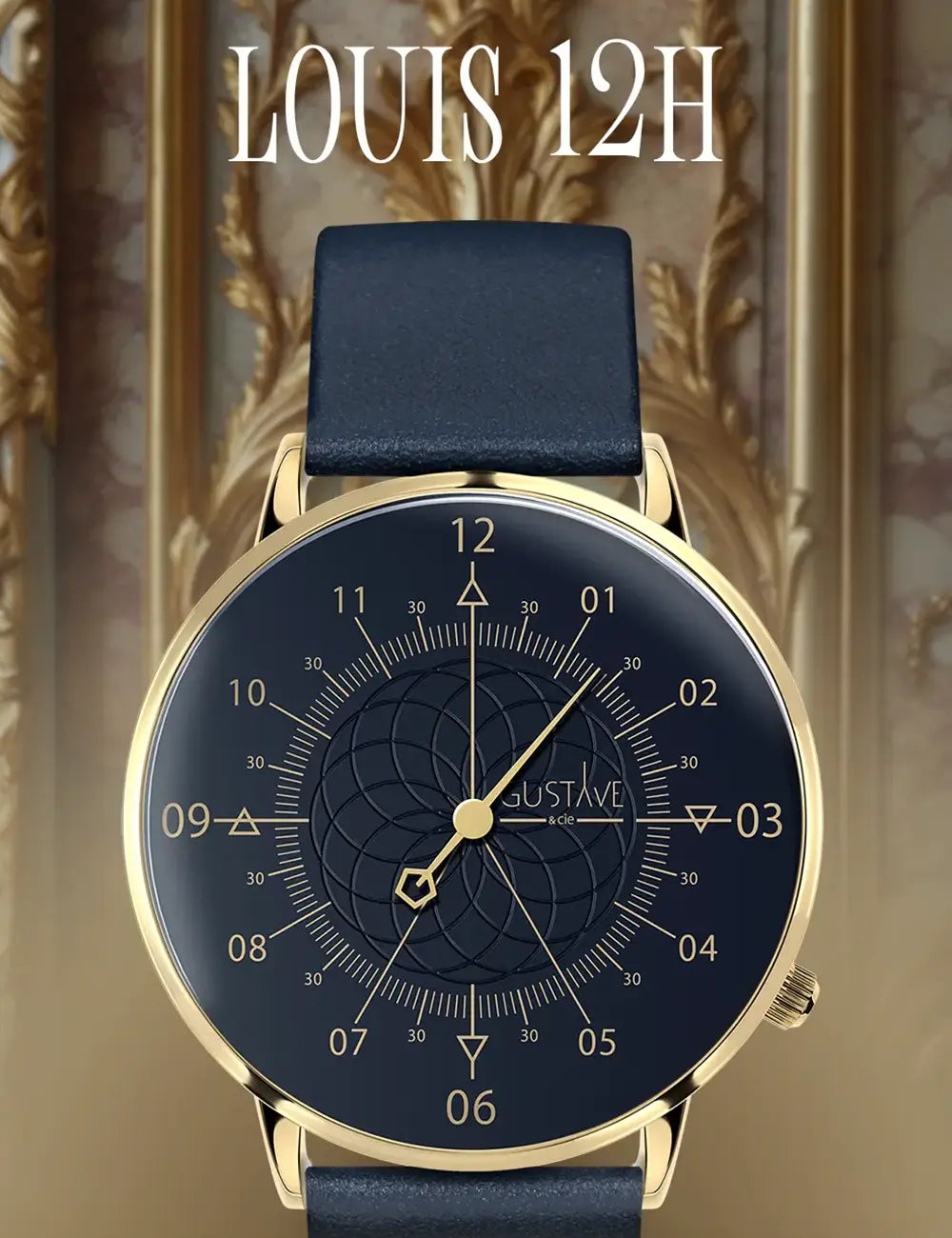
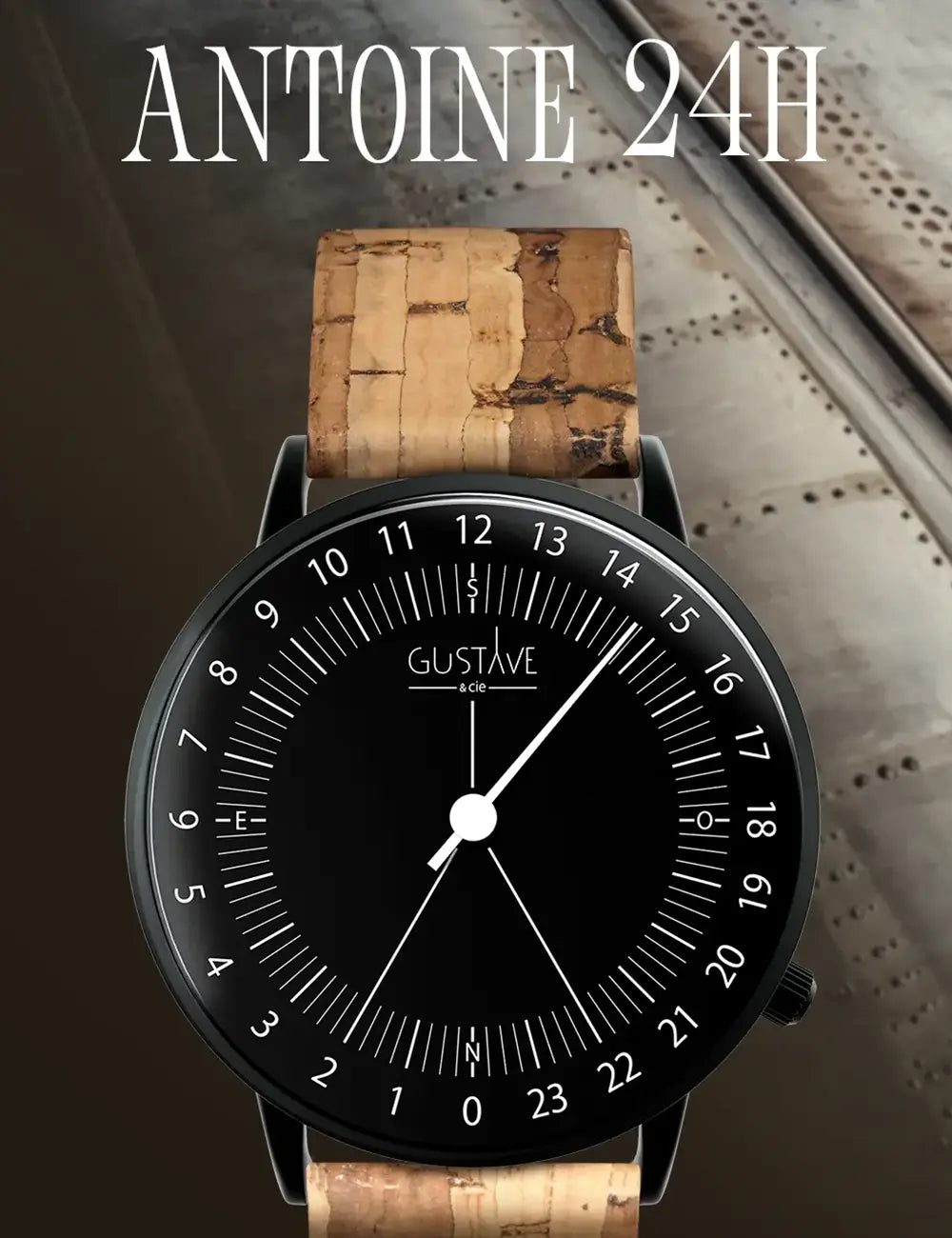
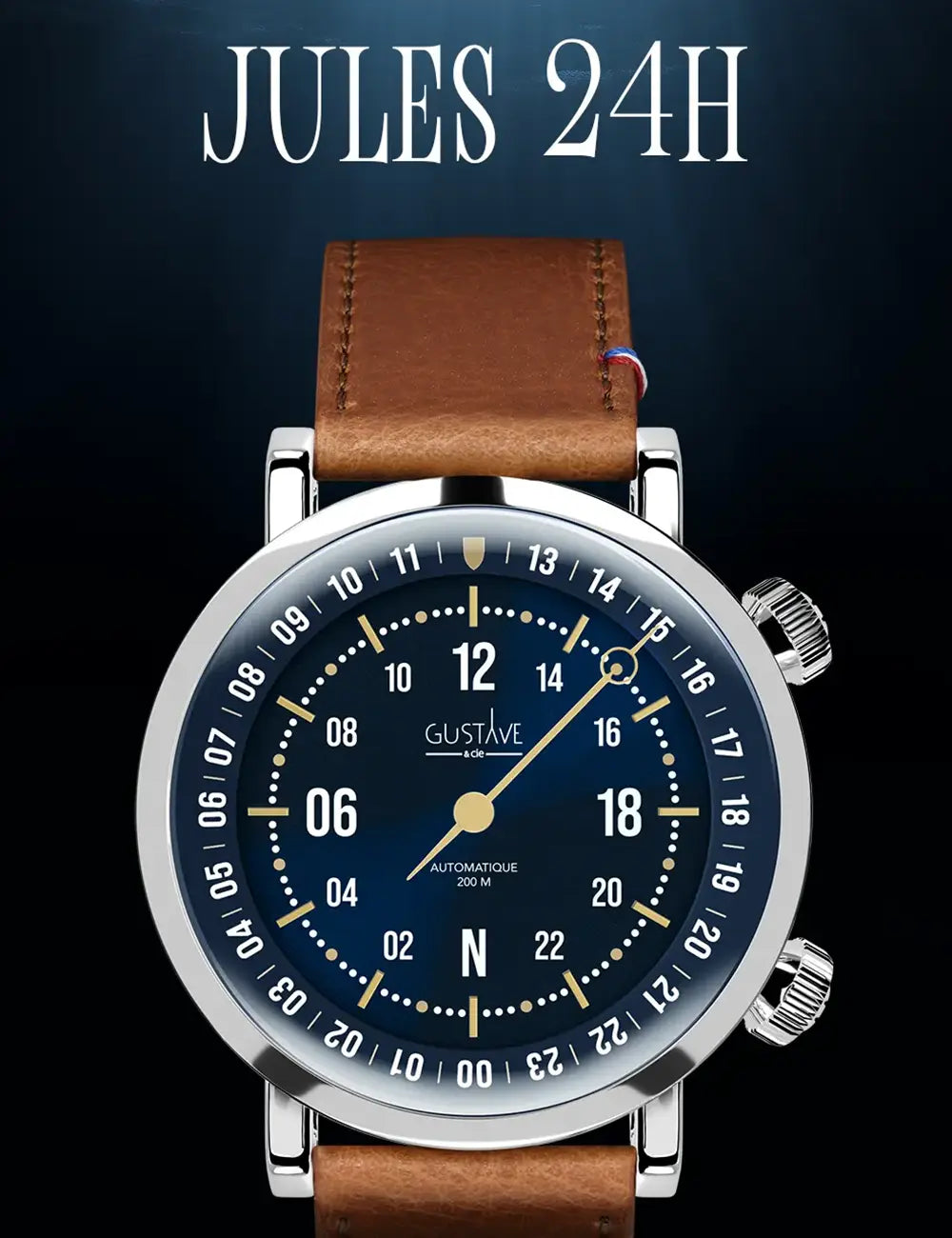

The single-hand watch: a return to the origins of timekeeping
At first glance, the single-hand watch surprises. It intrigues with its refined aesthetic and seems to establish itself as a modern, almost audacious innovation, destined to shake up the codes of traditional horology. Many see it as a contemporary creation, born of a stylistic desire to stand out from the cluttered dials we all know.
Yet, this perception is misleading. Far from being a recent invention, the single hand actually represents the oldest and purest form of reading time. It is not a rupture, but a direct legacy of the very first instruments designed by man to apprehend the world around him.
Long before the appearance of miniaturised wheels and the complex mechanisms that animate our wrists, our ancestors were already observing the silent course of a single indicator. From the gnomon of the first sundials to the monumental hands of medieval clock towers, the measurement of time was long done without the slightest notion of a minute or a second.
To explore the history of the single-hand watch is therefore to trace back to the very sources of our relationship with time. It is to understand how humanity passed from a natural and global observation of the hours to a frantic race for precision, before feeling, today, the vital need to slow down.
Before the watch: when time was read with a single "hand"
To find the true origin of single-hand reading, one must leave the universe of mechanics and look up to the sky. The first timekeeping instrument, adopted by ancient civilisations such as the Egyptians and the Babylonians, was the sundial.
This device of elegant simplicity relied on a central element: the gnomon. This simple vertical rod, fixed on a flat surface, cast a shadow under the effect of the sun's course. This fleeting shadow acted as nothing more and nothing less than the very first hand in human history.
With this system, the reading of time was by nature approximate, but it proved to be more than sufficient to organise the life of the city. The agrarian and artisanal societies of the time felt no need to fragment their day into minuscule units. People oriented themselves by the sunrise, its zenith, and its sunset.
Time was then perceived in a global, fluid, and unmeasured manner. The shadow of the gnomon indicated a continuous progression, a seasonality, and a natural cycle. Man adapted to time; he did not yet seek to tame it or to slice it with mathematical rigour.
Discover how sundials work and how to read them.
Source : eniplenitude - enLumière
The first mechanical clocks: a single hand to structure the day
The advent of the first mechanical clocks, at the end of the 13th century and the beginning of the 14th century, marked a major technological turning point. Yet, in their design, these marvels of engineering preserved the visual philosophy of the sundial.
Installed at the top of belfries, cathedrals, or on public squares, these monumental clocks had the mission of giving rhythm to religious and civil life. A fascinating fact: they possessed only one single hand. These pioneering mechanisms, often endowed with majestic dials divided into 24 hours, contented themselves with indicating the full hour and its largest fractions, such as the quarters or the halves.
At that time, the very notion of a "minute" was absent from everyday life. The reading of time remained conceived as a general indication, intended to summon the faithful to prayer, to open the markets, or to close the city gates at nightfall.
The mechanisms of the time, regulated by the rudimentary foliot system, did not, moreover, allow for sufficient precision to justify the addition of extra indicators. The single hand was therefore both a technical constraint and the reflection of a way of life.
 Astrolabic clock of Chartres Cathedral, a historical testimony to the first mechanical representations of time
Source: Wikipedia - Astronomical clock of Chartres
Explore the history and functioning of the astronomical clock of Chartres, dating from 1407.
Source : cathedrale-chartres
Why the single hand disappeared over the centuries
Although the single hand reigned supreme for millennia, it eventually faded in the face of the upheavals of modern society. The progressive disappearance of this global reading is explained by a growing and insatiable need for precision.
From the 16th and especially the 17th century onwards, the rise of science, maritime navigation, and commerce demanded increasingly exact measurements. The invention of the pendulum by Christiaan Huygens finally made it possible to make mechanisms reliable. It was at this time that a revolution appeared on the dials: the minute hand, soon followed by the sweeping second hand.
The development of industrial activities and the arrival of the railways in the 19th century delivered the fatal blow to the single hand. To coordinate train schedules and factory production, standardisation became essential. The dial divided into 12 hours, swept by three distinct hands, became the norm across the world.
Thus, the approximation of the single hand was perceived as obsolete, relegated to the rank of a historical curiosity.
Why the single-hand watch is returning today
Paradoxically, it is precisely this contemporary hyper-precision that is sparking the revival of the single-hand watch today. In an ultra-connected society where every second is notified, measured, and billed by our smartphones, a feeling of saturation is setting in.
The return of the single hand to the wrist is a direct reaction to this anxiety-inducing instantaneity. To wear this type of timepiece is to make the conscious choice of a simpler and more peaceful vision of time. It is refusing to let one's life be dictated by the anguish of the passing minute.
The single-hand watch reteaches its wearer to read the time differently. Between two indexes, the mind estimates, deduces, and accommodates a margin of a few minutes. It is no longer a tool of stress, but a contemplative horological object that invites one to take a step back. The reading becomes global, intuitive, and profoundly human once again.
Beyond its philosophical dimension, this timepiece also appeals with its minimalist aesthetic. The dial, stripped of its superfluous elements, regains a symmetry and a timeless elegance. The absence of agitation on the dial reflects a regained peace of mind.
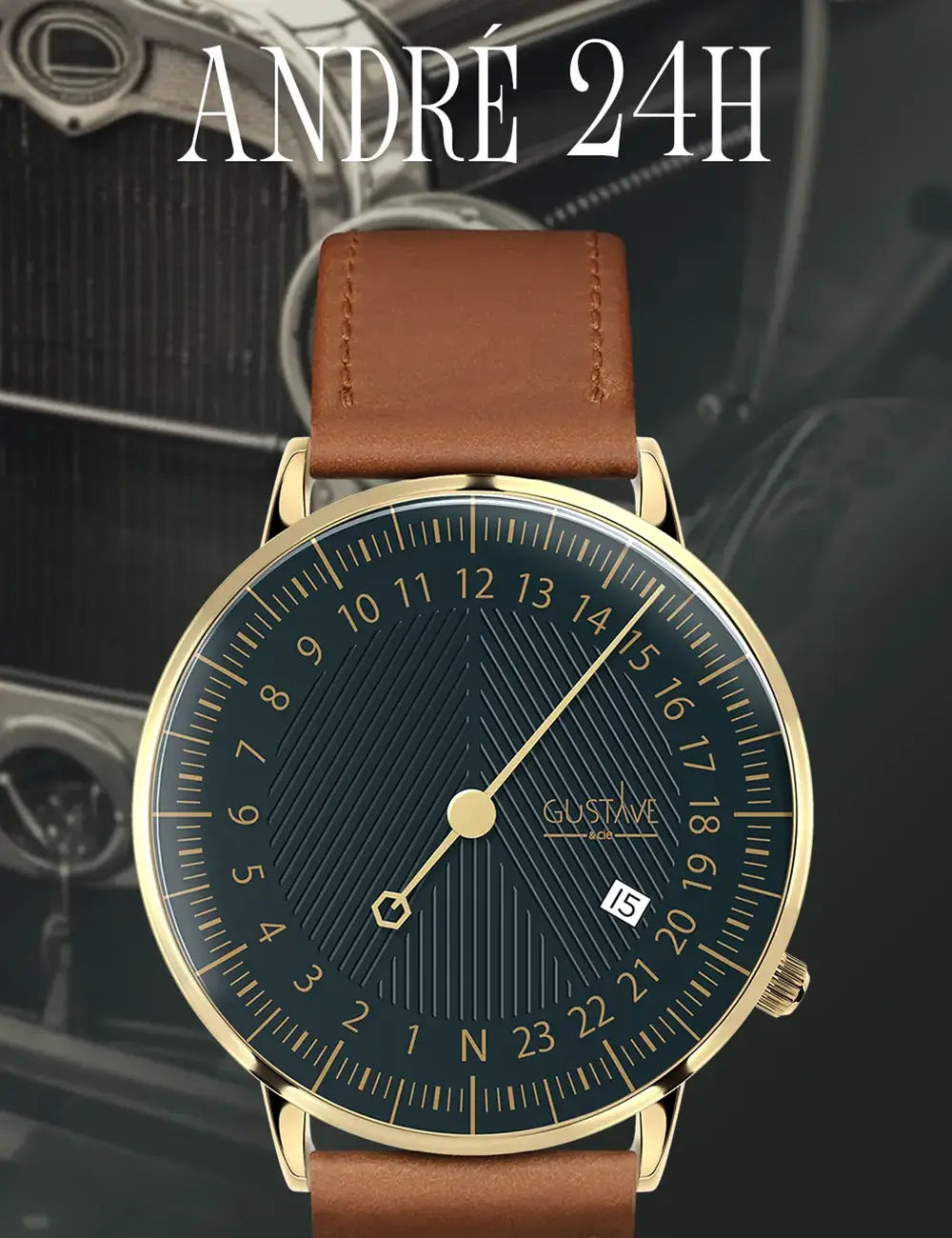
 The André 24H watch in a silver case with a black dial and black Milanese mesh strap, and the Louis 12H watch in a silver case with a blue dial and brown leather strap, two collections of single-hand watches
Conclusion
Far from being a mere passing trend or a designer's fantasy, the single-hand watch is part of a remarkable historical continuity. From the gnomon casting its shadow on the sand to the imposing medieval clocks of our cities, it reminds us that absolute precision is but a recent invention of humanity.
To adopt this mode of reading today is to accomplish a true return to the source. It is to make a salutary transition from coldly "measured" time to intimately "felt" time. By slipping a single hand onto our wrist, we reconnect with an era when man simply took the time to live.
DISCOVER OUR SINGLE-HAND WATCHES
Leave a comment
This site is protected by hCaptcha and the hCaptcha Privacy Policy and Terms of Service apply.