


The Technical Challenges of Single-Hand Watches
In watchmaking, there is an interesting paradox: the more minimalist a watch appears, the more complex its design. At first glance, the absence of minute and second hands might suggest that creating a single-hand timepiece is a simplification of the manufacturing process. It is, in fact, the exact opposite. The technical challenges of single-hand watches require a complete rethinking of the dial's mechanical and visual architecture.
By breaking away from industrial standards designed for traditional three-hand displays, engineers and designers must overcome major obstacles related to the kinematics of the movement, the precision of time scales, and ergonomics. Let's delve into the mechanics and technical compromises required to create these atypical timepieces.
Movement Constraints: The Conundrum of the Gear Ratio
The vast majority of watch calibres, whether quartz or automatic, are machined to drive a classic display. The gear train is designed with a standard gear ratio: the minute wheel completes a full rotation in 60 minutes, driving the hour wheel which completes one revolution in 12 hours.
When designing a 24-hour single-hand watch, the mechanical approach must be radically altered. The primary technical challenge lies in modifying the kinematic chain. It is imperative to halve the rotational speed of the central axis so that the hand completes only one full 360-degree revolution in 24 hours. This new gear ratio requires specific toothed wheels, calibrated with strict machining tolerances to prevent any excessive play that would result in a visible misalignment on the dial.
Furthermore, this single hand is physically longer and often more massive than the hour hand of a classic watch. This increased mass creates greater inertia on the central pivot. For an automatic movement, this additional torque constraint requires rigorous management of the power reserve and the balance wheel's amplitude to maintain isochronism. For a quartz calibre, the stepper motor's impulse must be perfectly calibrated to move this mass without draining the battery prematurely, all while guaranteeing millimetric alignment on each index.
Discover our technical article on the operational differences between quartz and automatic watches.
Dial Design for 12h and 24h Scales: The Millimetric Architecture of Space
The dial of a single-hand watch is not a mere decorative background; it is a measuring instrument whose geometry adheres to strict mathematical rules. The difficulty lies in distributing information across a 360-degree circle, typically confined within a 36 to 40-millimetre case.
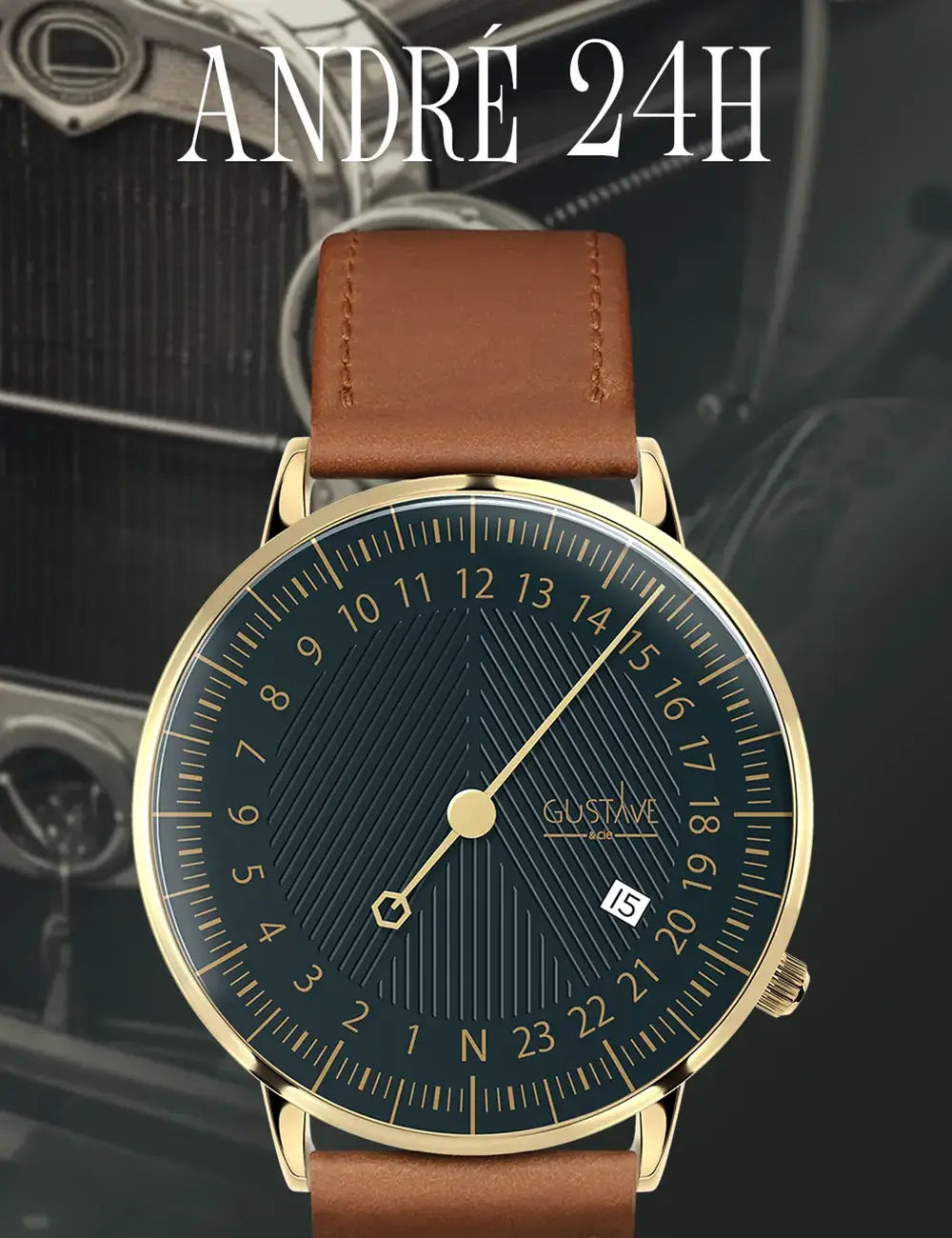
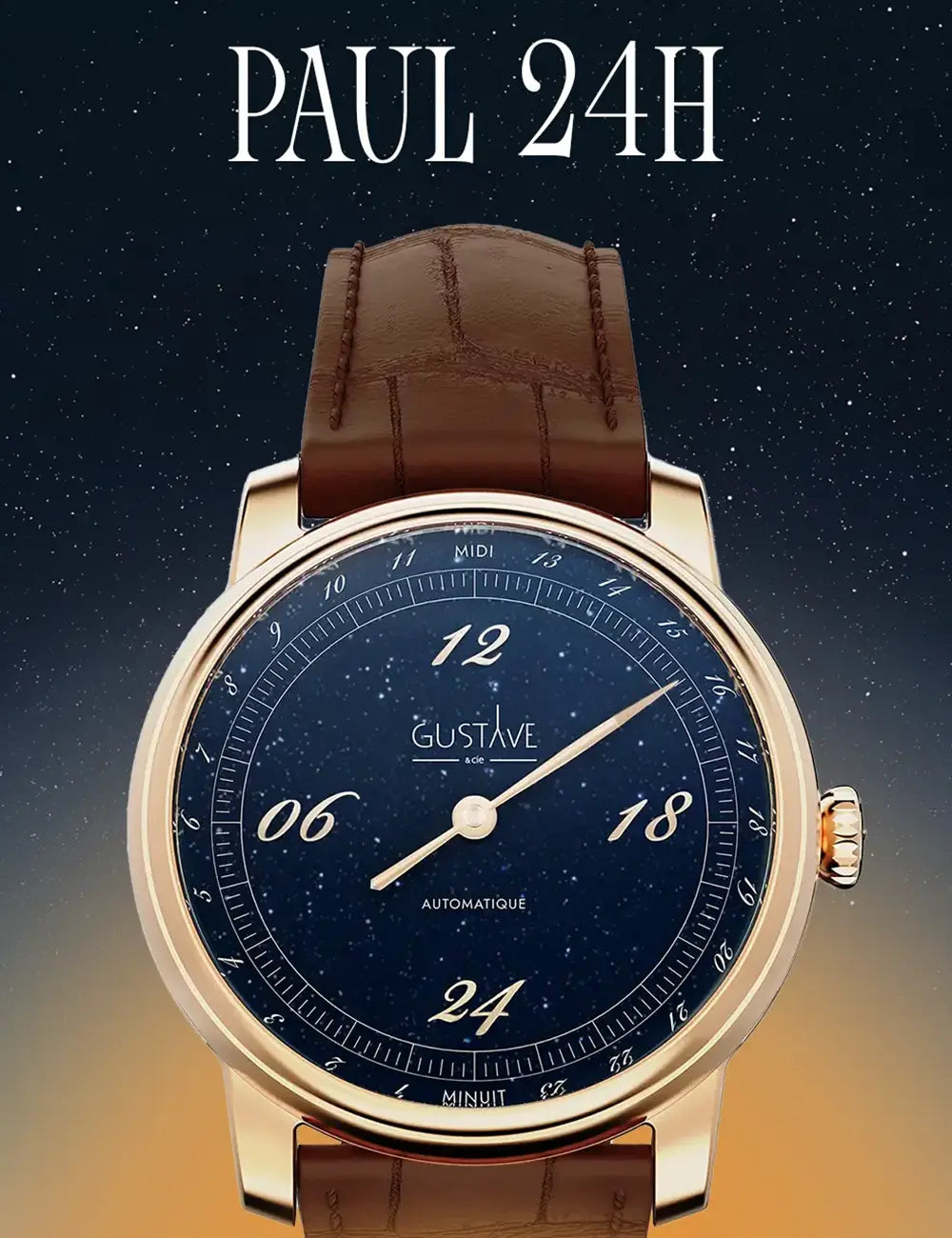
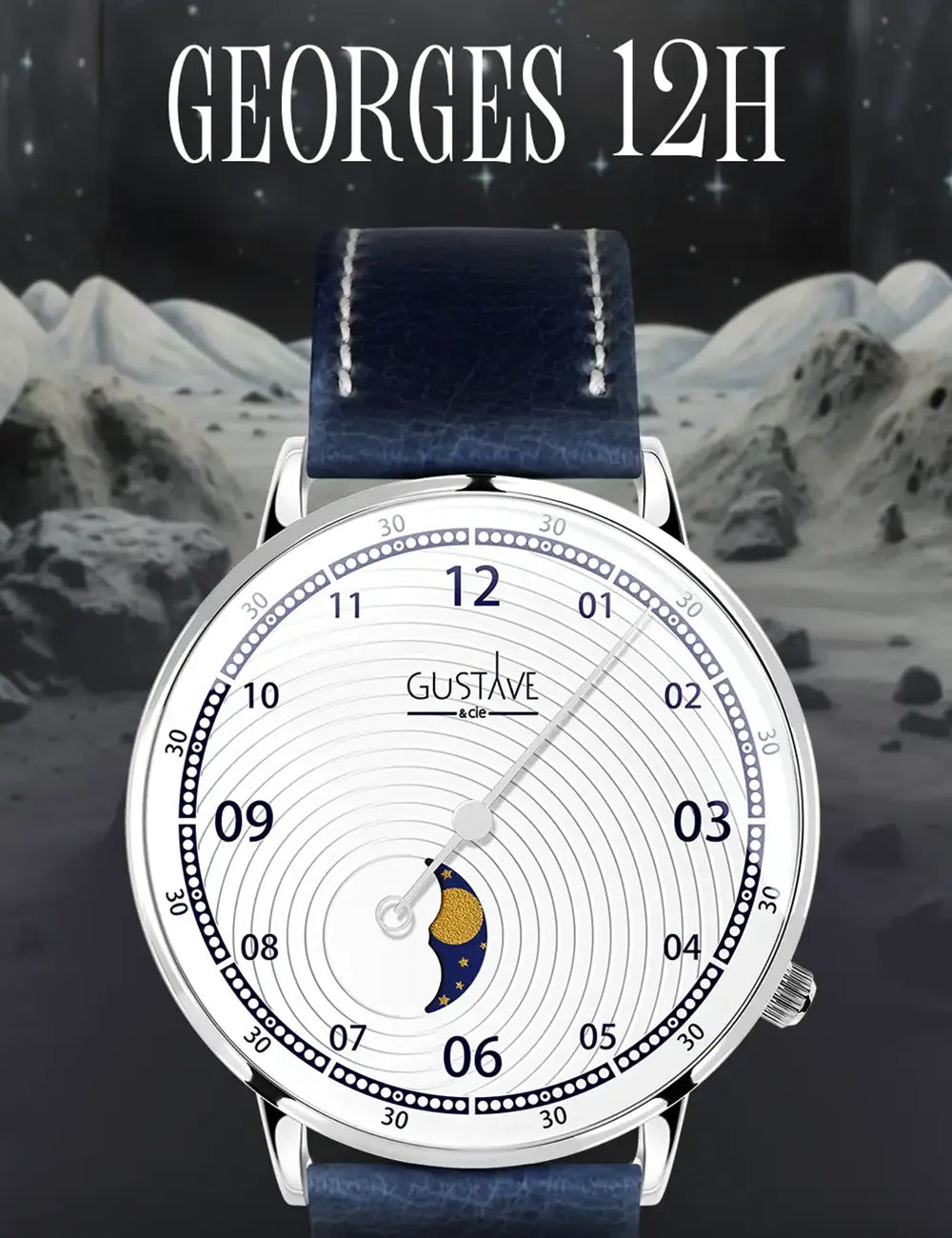
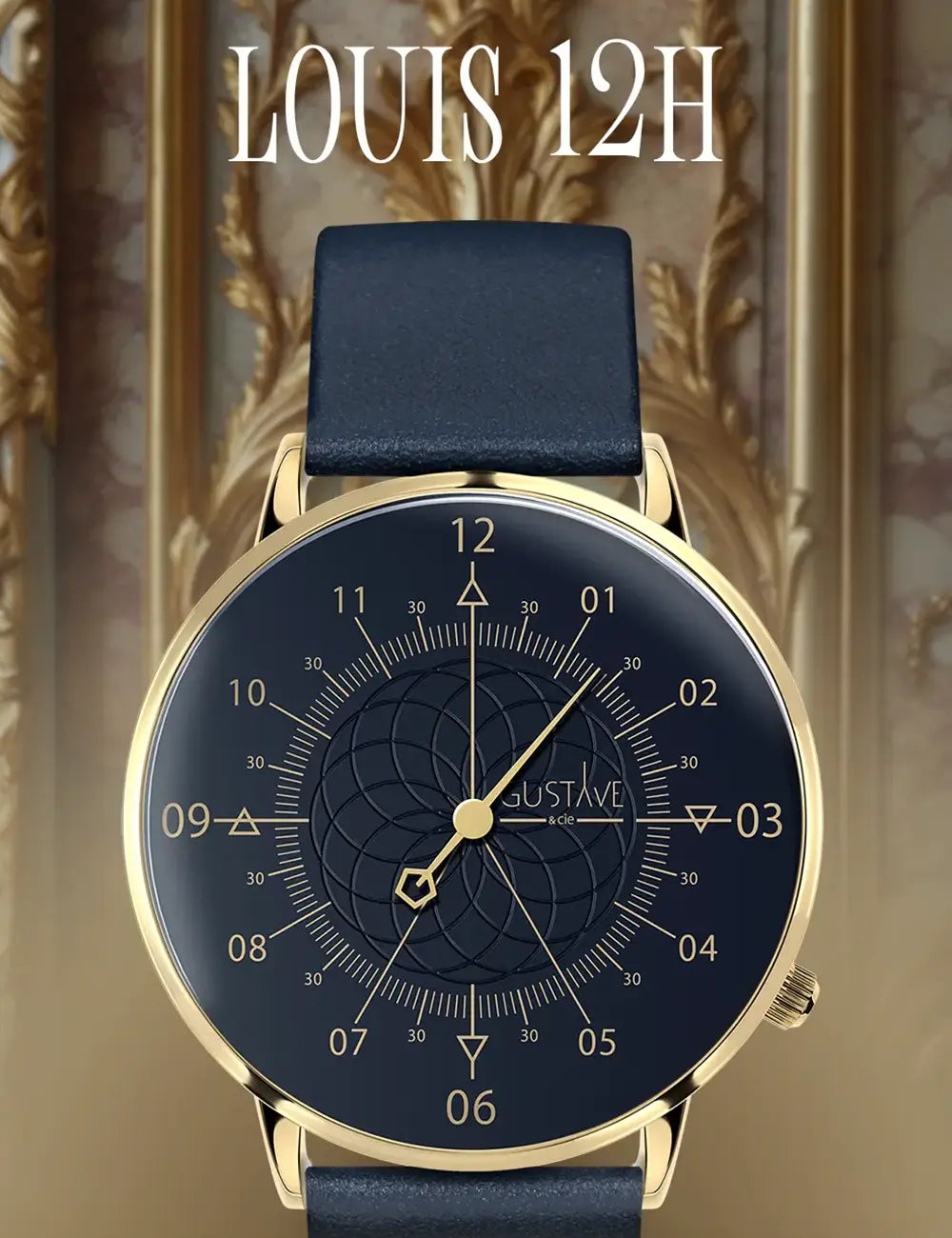
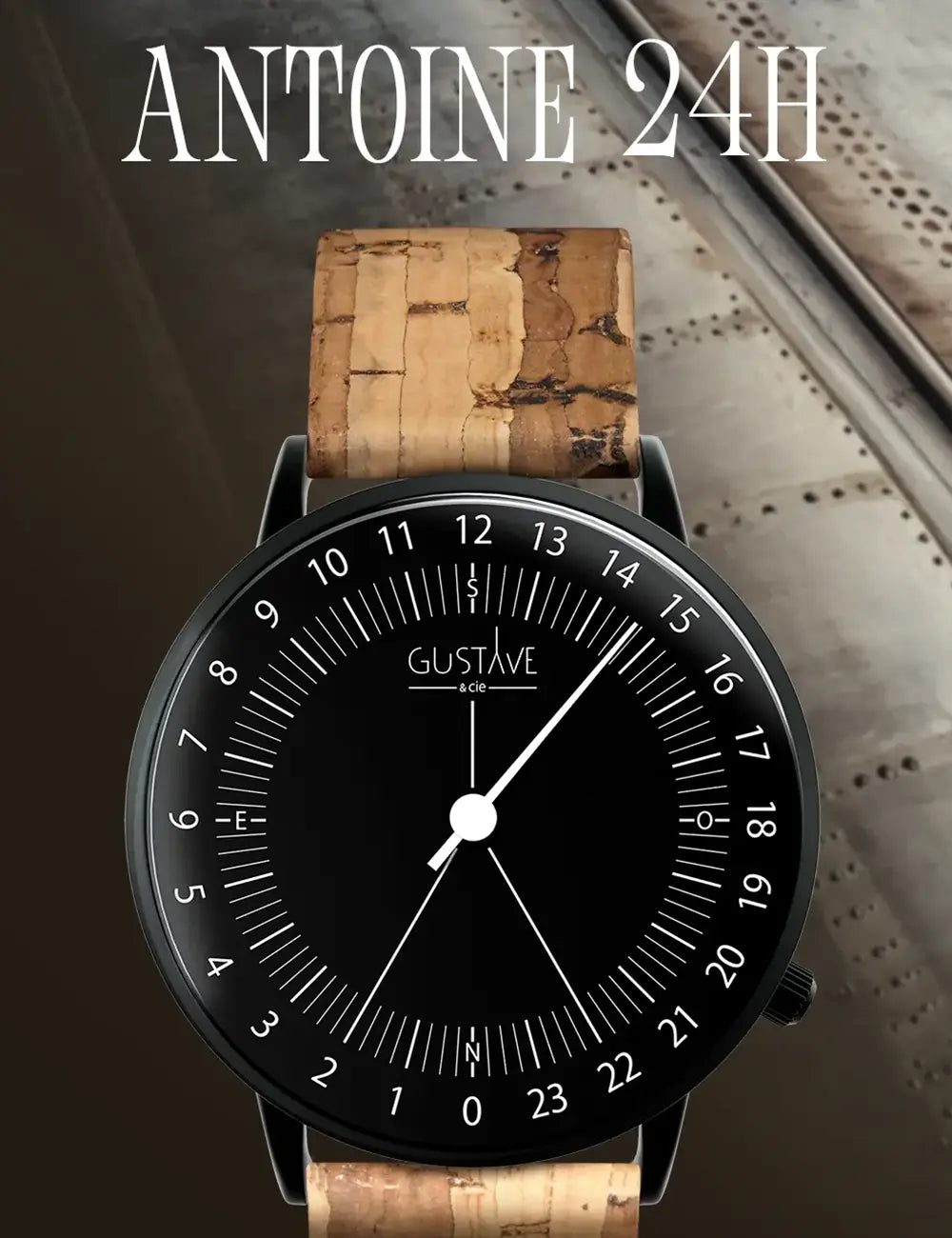
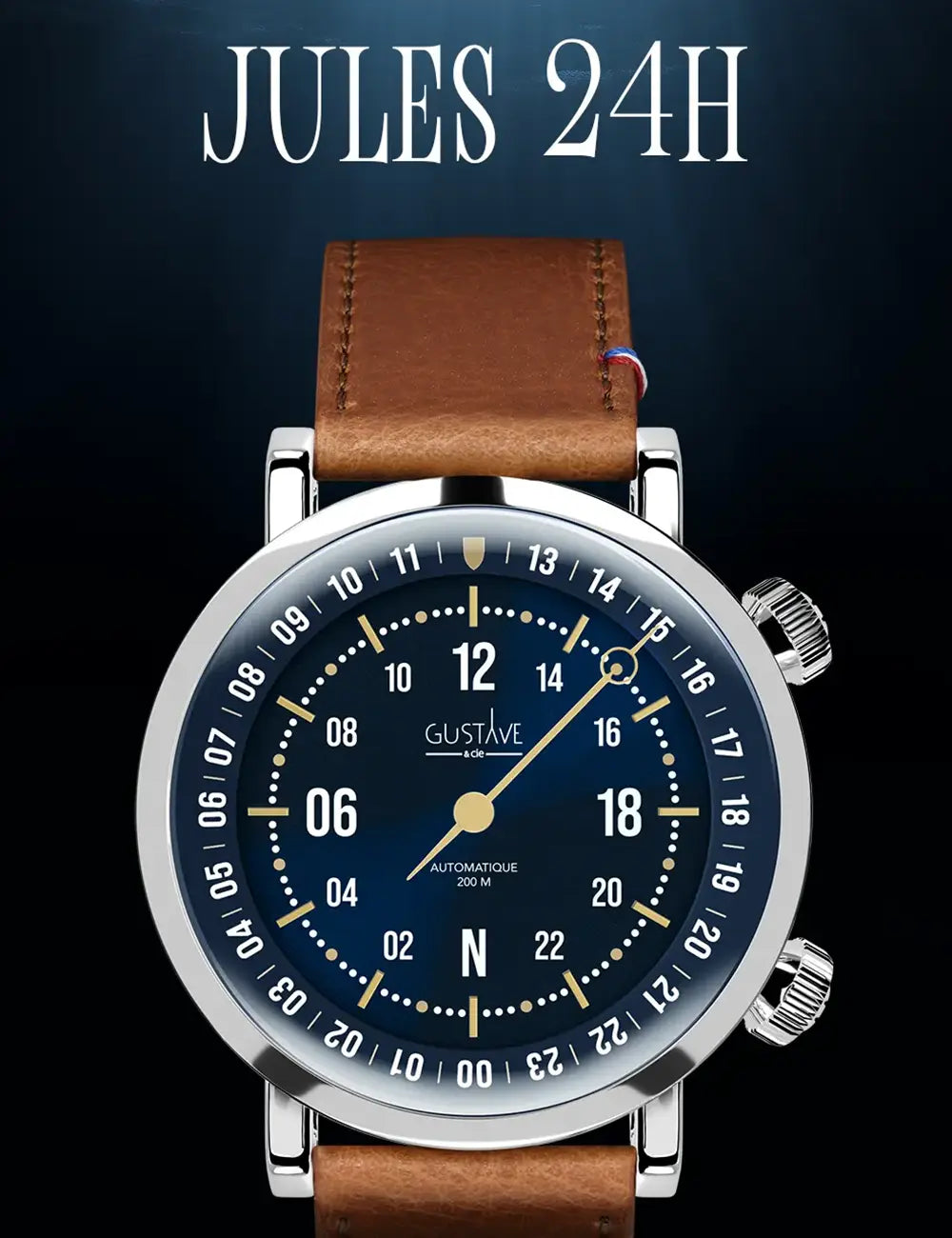
For a 12-hour single-hand display, each hour represents a 30-degree angle. The space between two hours must then be logically subdivided, often into 5-minute intervals. However, it is with the 24-hour format that scale design reaches its peak complexity. The angle allocated to a full hour is drastically reduced to 15 degrees. Successfully printing indices for half-hours, quarter-hours, and even 10-minute segments within this restricted space is a genuine technical triumph.
This requires exceptional mastery of pad printing (the technique used for printing dials). The lines must be incredibly fine, measured in fractions of a millimetre, while maintaining sufficient opacity and relief to catch the light. The slightest misalignment during printing would render the time reading inaccurate, ruining the very utility of the instrument.

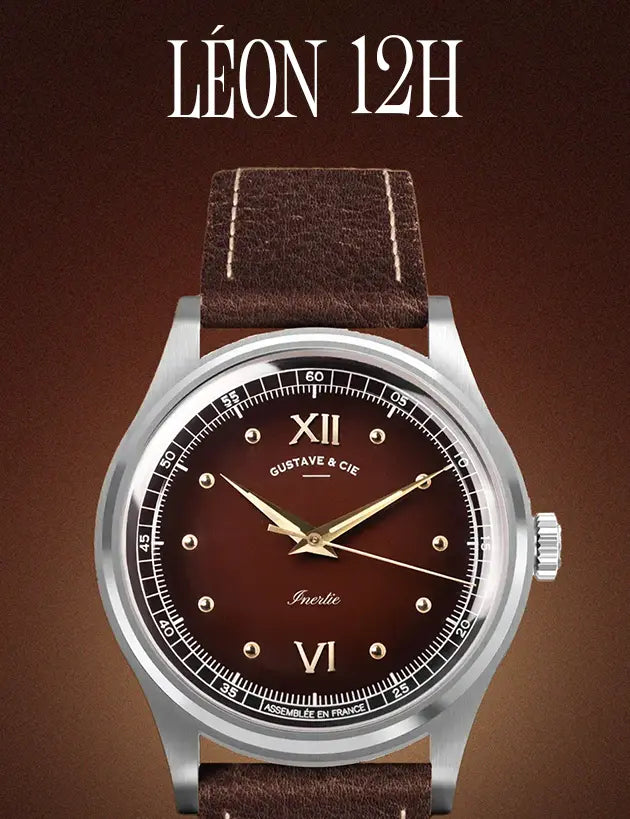
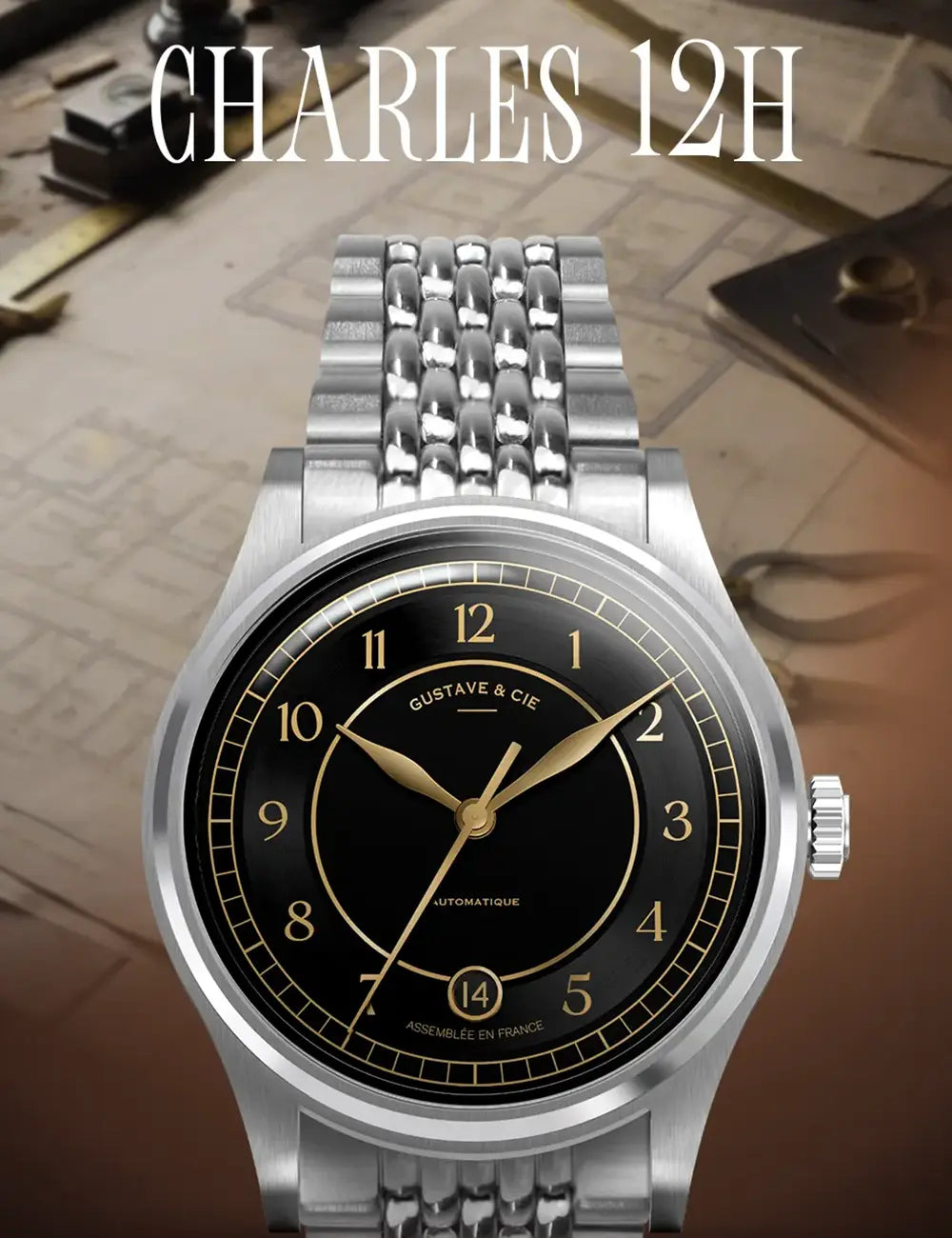
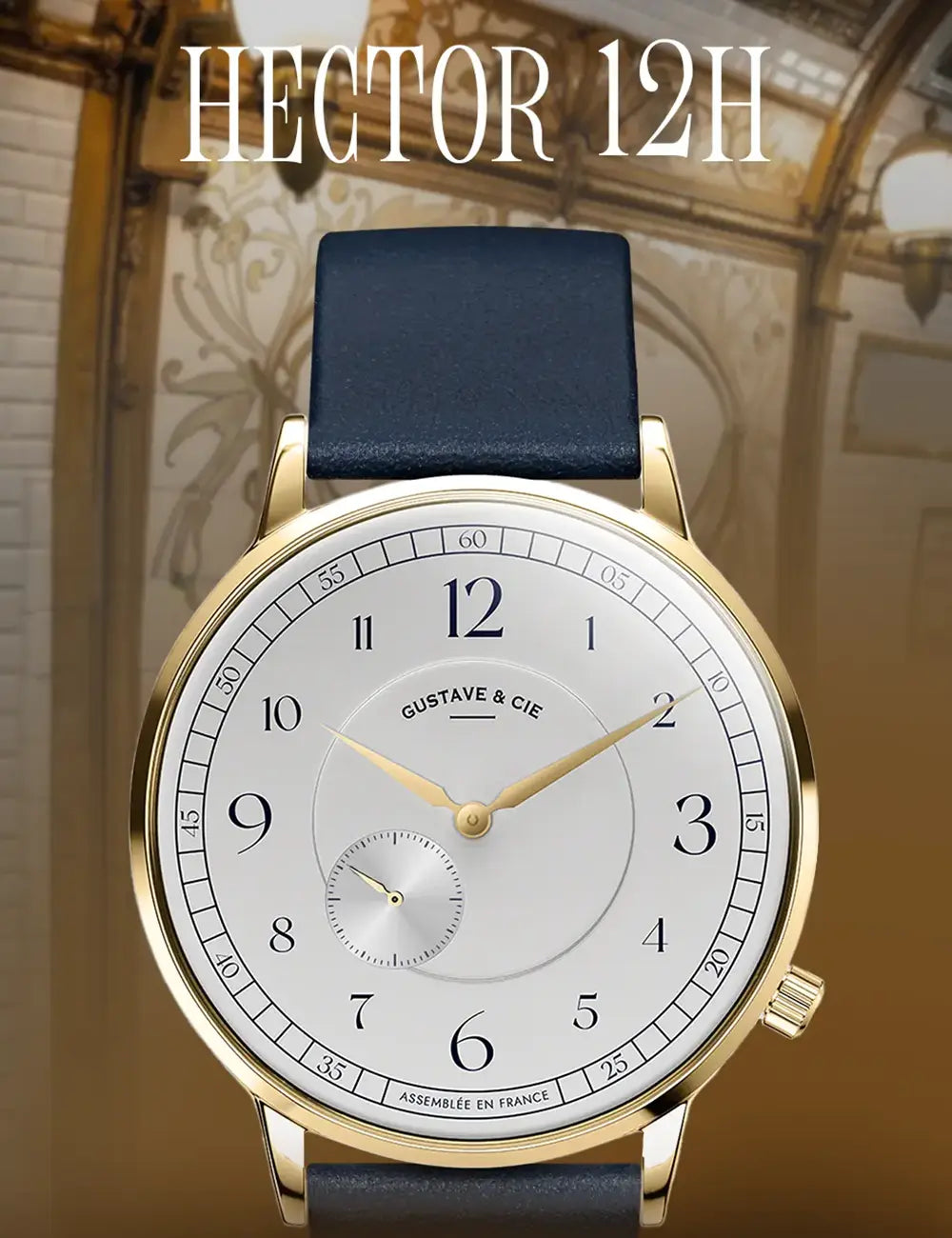
Two horological dials: 24-hour display and 12-hour display, highlighting different indices and ways of reading the time
The Compromise Between Precision, Readability, and Aesthetics
The design of a single-hand watch is a constant struggle to find the perfect equilibrium between technical precision, readability constraints, and aesthetic purity.
One of the most complex physical obstacles to overcome is the parallax error. On a traditional watch, the minute hand literally brushes the dial's flange, limiting reading errors depending on the viewing angle. On a single-hand watch, the central axis supports a single hand that must point to the graduations with formidable accuracy. If the hand is placed too high above the dial, or if it is too thick, the user will read a different time depending on whether they tilt their wrist up or down. Designers must therefore profile the hand to sit as close to the dial as possible, refining its tip to the extreme (often in a syringe or lance shape) so it does not obscure the fine minute indices.
Next comes the challenge of graduation density. Adding a line for every 5-minute interval on a 24-hour dial would theoretically increase reading precision. Technically and aesthetically, however, this would result in unbearable "visual noise", turning the dial into an illegible grid. The compromise, therefore, consists of hierarchising the information through the thickness and length of the lines: long and thick indices for full hours, medium for half-hours, and short for quarters. Each variation in thickness is calculated to guide the eye without cluttering the space.
Challenging the Codes of Classic Watchmaking
Beyond mechanics and industrial design, the technical challenges of single-hand watches directly impact cognitive ergonomics. For centuries, classic watchmaking has conditioned the human brain to read the time not by looking at numbers, but by interpreting the angles formed by two hands (for example, a right angle for 3:00 or 9:00).
The challenge for the creators of a single-hand watch is to assist the user in deconstructing this reflex. The user experience (UX) of such a dial is more akin to reading a dashboard instrument or a precision gauge than a traditional watch. To facilitate this transition, the typography chosen for the Arabic numerals plays more than just an aesthetic role: its kerning (spacing between characters), its size, and its weight must allow for instant identification of the targeted time zone. The chromatic contrast between the dial background and the hand is no longer merely a matter of style, but an absolute requirement for daytime functionality.
 The automatic Paul 24H watch offers a single-hand 24-hour time reading with a sleek steel and blue leather design
Conclusion
The technical challenges of single-hand watches demonstrate that minimalism is a particularly demanding art. From the meticulous redesign of the gear ratio to managing the hand's mass, through the extreme geometric division of time scales, every detail demands scientific rigour.
Behind the purity of a streamlined dial lie countless calculations, bold compromises between surgical precision and visual clarity, as well as a genuine disruption of classic watchmaking's ergonomic conventions. The invisible engineering of these timepieces transforms a technical constraint into a singular aesthetic signature.
DISCOVER OUR 12H AND 24H SINGLE-HAND COLLECTIONS
Leave a comment
This site is protected by hCaptcha and the hCaptcha Privacy Policy and Terms of Service apply.