


Surface Treatments in Watchmaking: PVD and DLC Explained
A watch accompanies its owner on a daily basis. It is exposed to friction, light knocks, moisture, perspiration, and temperature variations. To preserve the appearance of the case and guarantee its durability, watch manufacturers have progressively adopted increasingly sophisticated surface treatments.
Among the most widespread technologies today are PVD (Physical Vapour Deposition) and DLC (Diamond-Like Carbon). Often mentioned in technical specifications, these treatments not only achieve different aesthetic finishes but also improve the watch's resistance to daily wear and tear.
But what are the real differences between a PVD and a DLC coating? How are they applied? And which should you choose for your watch? Let us delve into the heart of these technologies that have become essential in modern watchmaking.
What is a Surface Treatment in Watchmaking?
For a long time, watches were offered in the natural colour of the metal used for their manufacture. When a gold finish was desired, makers generally resorted to plating or electroplating processes. Although aesthetically pleasing when new, these solutions often presented limited resistance to the wear of time.
The advent of modern surface treatments has profoundly changed the landscape. Today, the objective is no longer simply to alter the appearance of a case, but also to enhance its physical properties.
Notably, these treatments make it possible to:
-
increase resistance to micro-scratches;
-
limit the risks of corrosion;
-
improve colour retention over time;
-
offer varied finishes, from deep black to rose gold.
Unlike a simple decorative coating, modern treatments create an extremely strong bond with the base metal, generally 316L stainless steel or titanium. They thus offer greater durability while retaining the elegance of the timepiece.
What is PVD?
PVD, standing for Physical Vapour Deposition, is today one of the most widely used surface treatments in contemporary watchmaking.
Contrary to popular belief, PVD is not a material but a deposition process. The operation is carried out in a vacuum chamber where a metal, such as titanium or zirconium, is heated to a very high temperature until it vaporises. The particles thus created then settle on the watch case to form an extremely fine and uniform protective layer.
One of the main advantages of PVD lies in its versatility. Depending on the materials used, it allows for numerous finishes to be achieved: black, anthracite grey, yellow gold, rose gold, brown, or bronze in certain applications. This technology also offers better resistance to friction and micro-scratches than traditional treatments.
PVD Resistance in Daily Use
A PVD coating stands up very well to normal use. Friction associated with daily wear, clothing sleeves, or standard handling generally has little impact on its appearance.
However, contrary to some beliefs, a PVD coating is not unscratchable. A deep scratch or a significant impact can pierce the protective layer and reveal the underlying metal. Despite this, its durability remains vastly superior to that of older plating processes.
What is DLC?
DLC, or Diamond-Like Carbon, is often considered one of the most high-performing solutions for protecting a watch case.
Like PVD, it is applied in a controlled vacuum environment. The difference lies mainly in the nature of the material used. DLC is based on a carbon structure whose characteristics are similar to those of a diamond. The result is an extremely hard and particularly wear-resistant coating.
By way of comparison:
-
a classic stainless steel has a hardness of approximately 200 Vickers;
-
a DLC coating can reach several thousand Vickers depending on its formulation.
This property makes it a highly appreciated solution for sports watches, tool watches, and timepieces designed to perform in demanding environments. Aesthetically, DLC is primarily associated with dark shades, ranging from anthracite grey to deep black.
Why is DLC Considered the Most Resistant Coating?
The immense hardness of DLC allows it to offer excellent resistance to scratches and abrasion.
In daily use, it is generally more difficult to mark than a classic PVD coating. This is notably why certain brands specialising in diving or tactical watches favour this technology.
Nevertheless, it should be remembered that no surface treatment is completely indestructible. A sufficiently severe impact could still leave a mark on the case, regardless of the technology employed.
PVD vs DLC: What are the Differences?
|
Criteria |
PVD |
DLC |
|
Nature |
Deposition process |
High-hardness carbon coating |
|
Available colours |
Black, grey, rose gold, yellow gold, bronze, etc. |
Mainly black or dark grey |
|
Scratch resistance |
Good |
Very good |
|
Wear resistance |
High |
Very high |
|
Visual aspect |
Wide variety of finishes |
Deep and technical black |
|
Manufacturing cost |
More accessible |
Higher |
|
Use in watchmaking |
Dress and sports watches |
Technical and tool watches |
Which Treatment to Choose?
The choice depends above all on your expectations.
-
PVD constitutes an excellent solution for those seeking an elegant, durable finish available in various colours.
-
DLC is more suited to users who prioritise scratch resistance above all else, along with the technical appearance of a black case.
In both cases, these treatments today represent a significant improvement over traditional plating techniques.
The Choice of PVD at Gustave & Cie
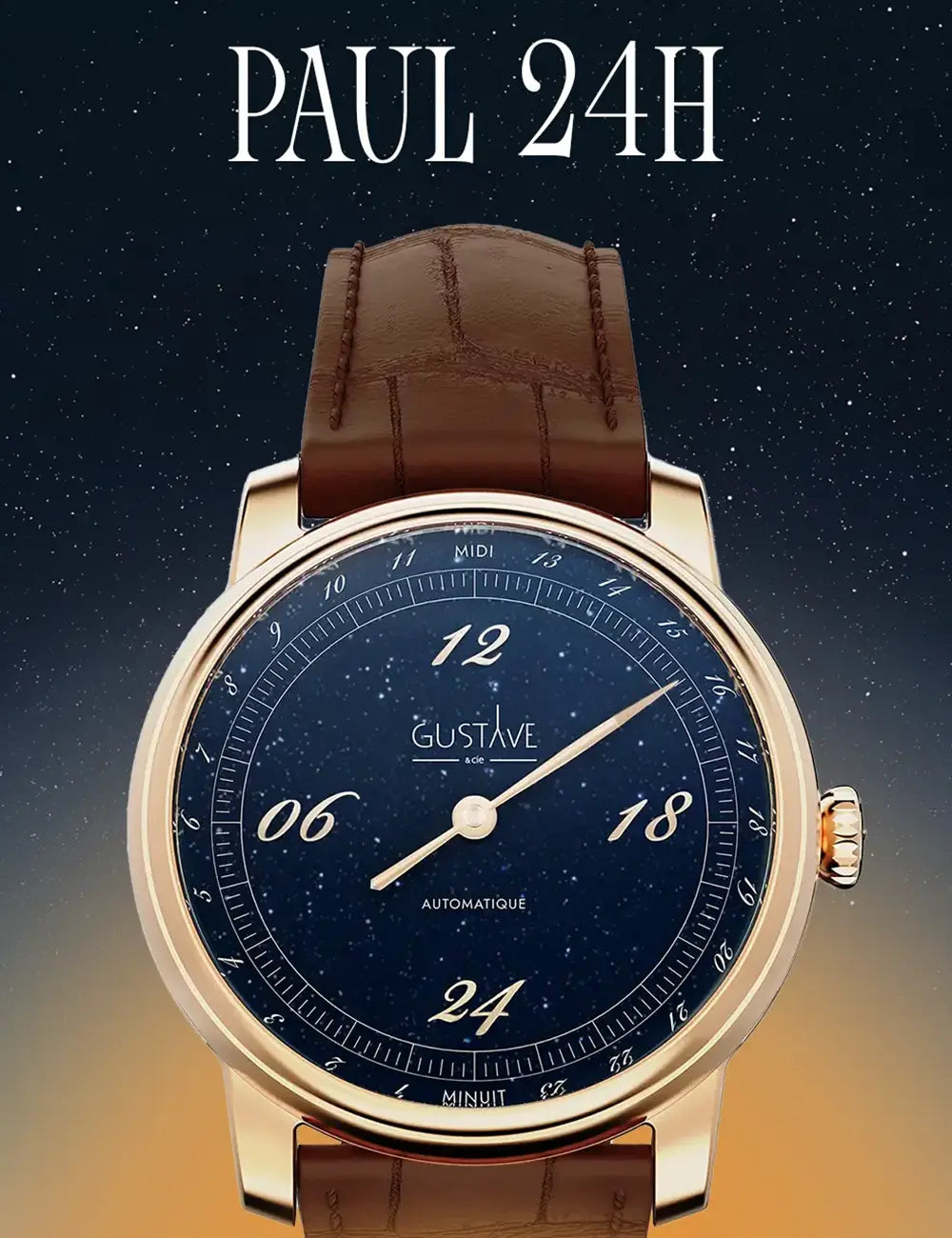
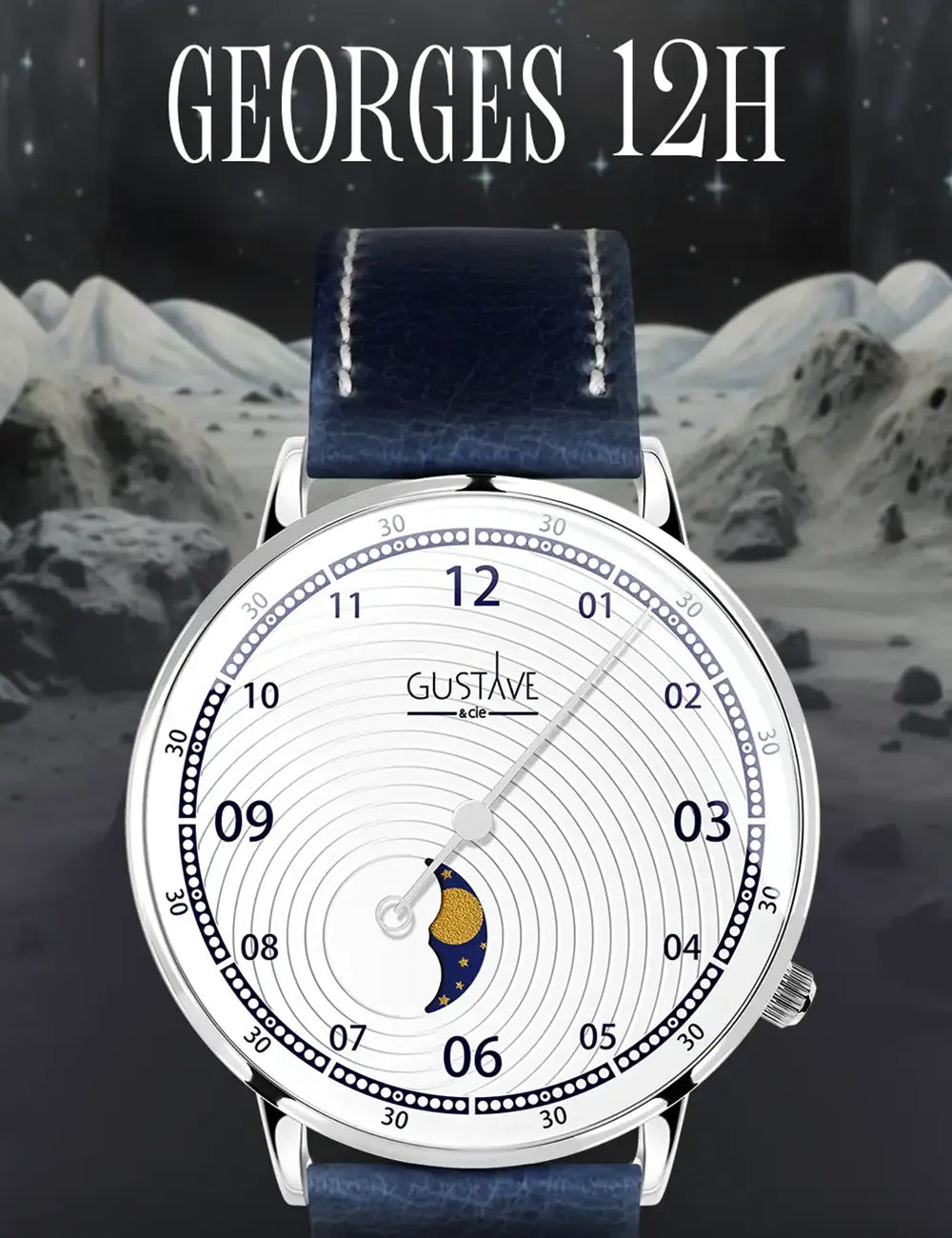
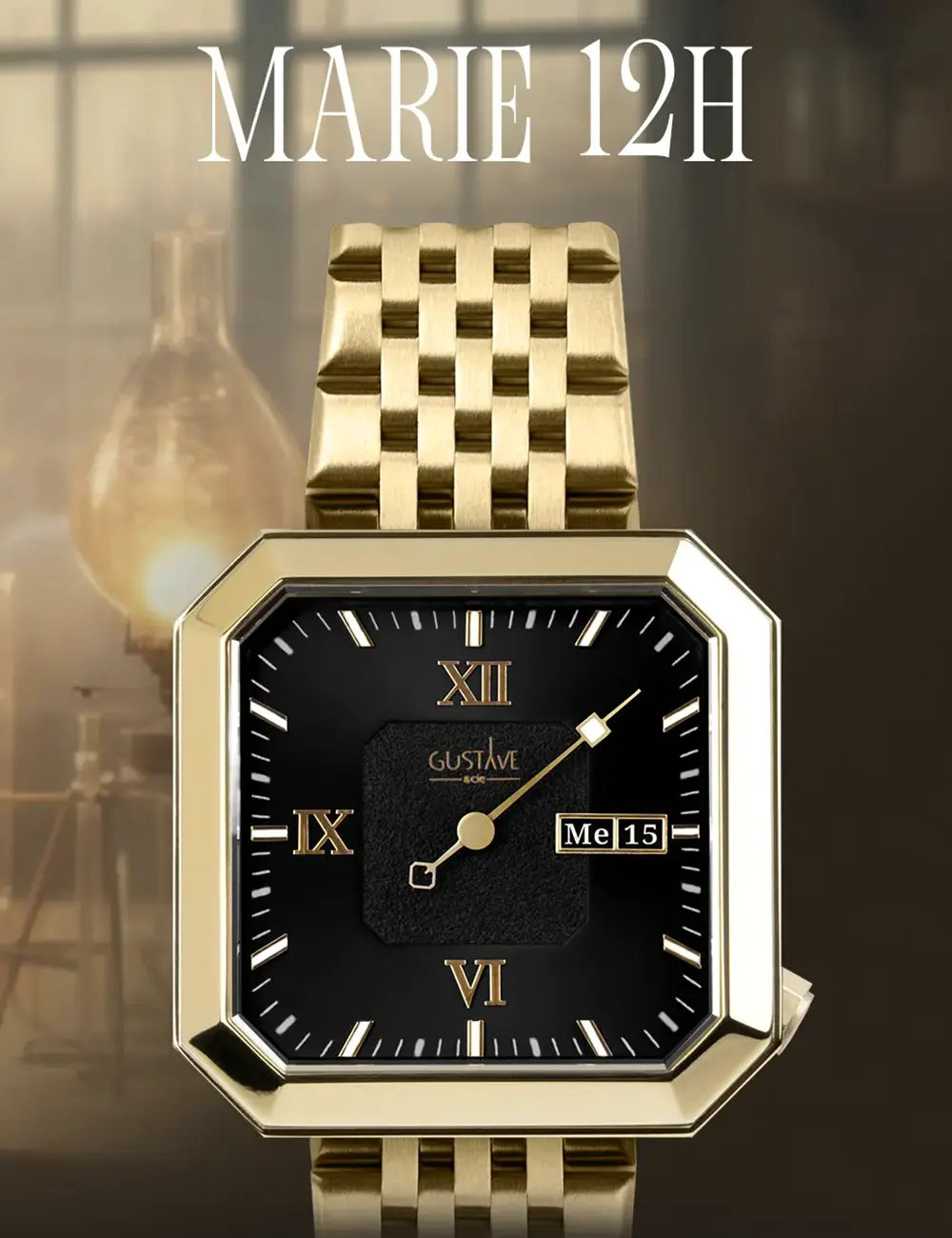
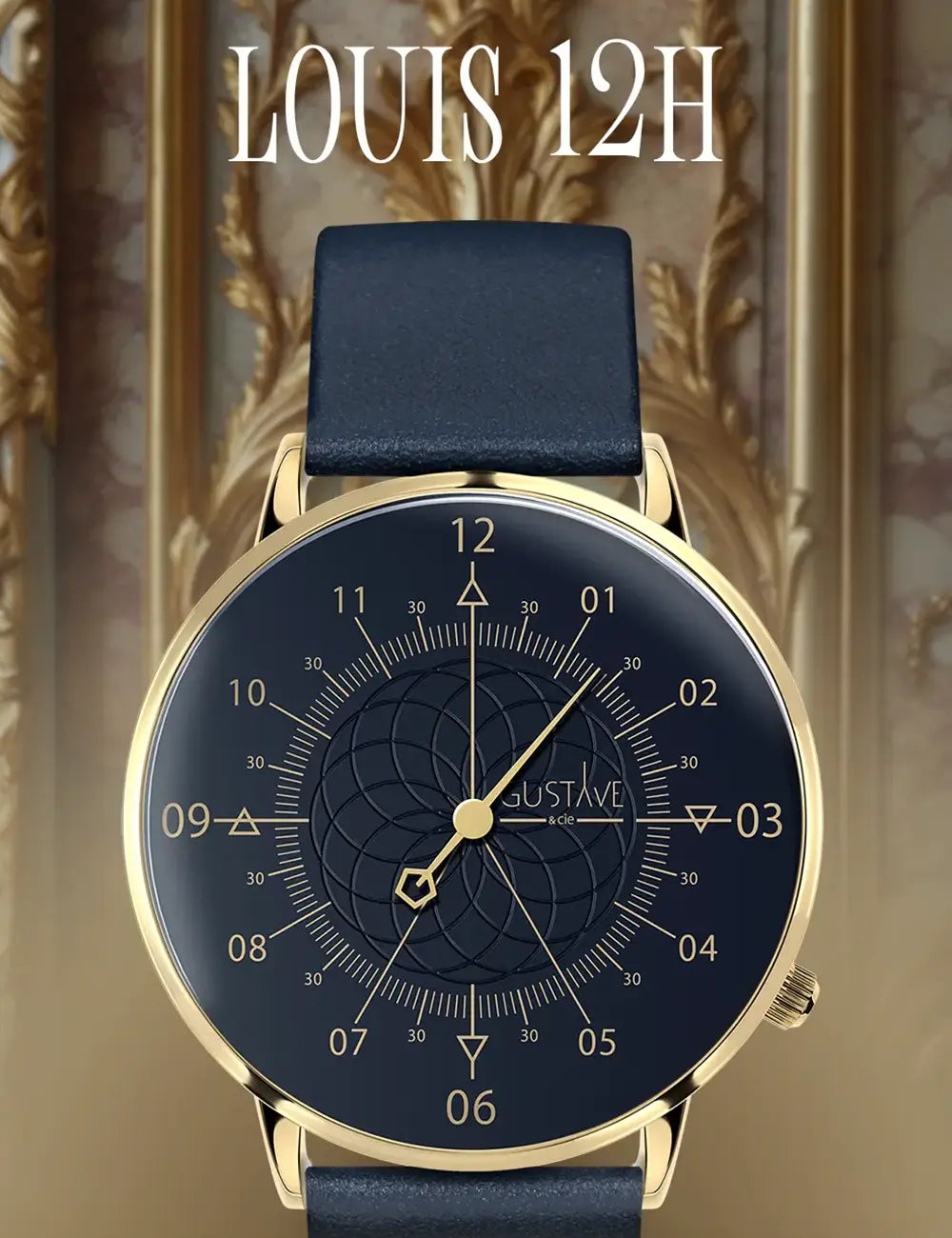
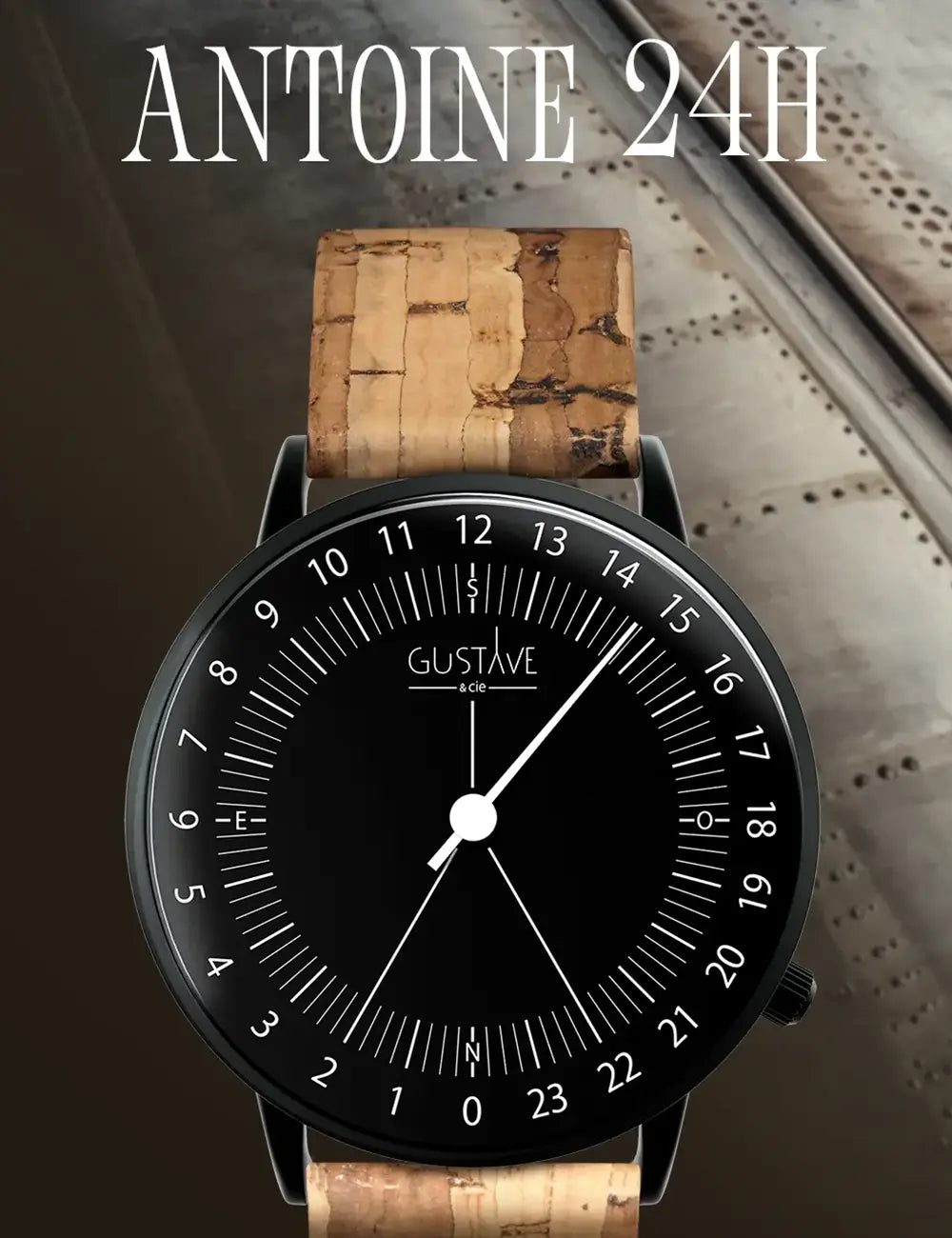
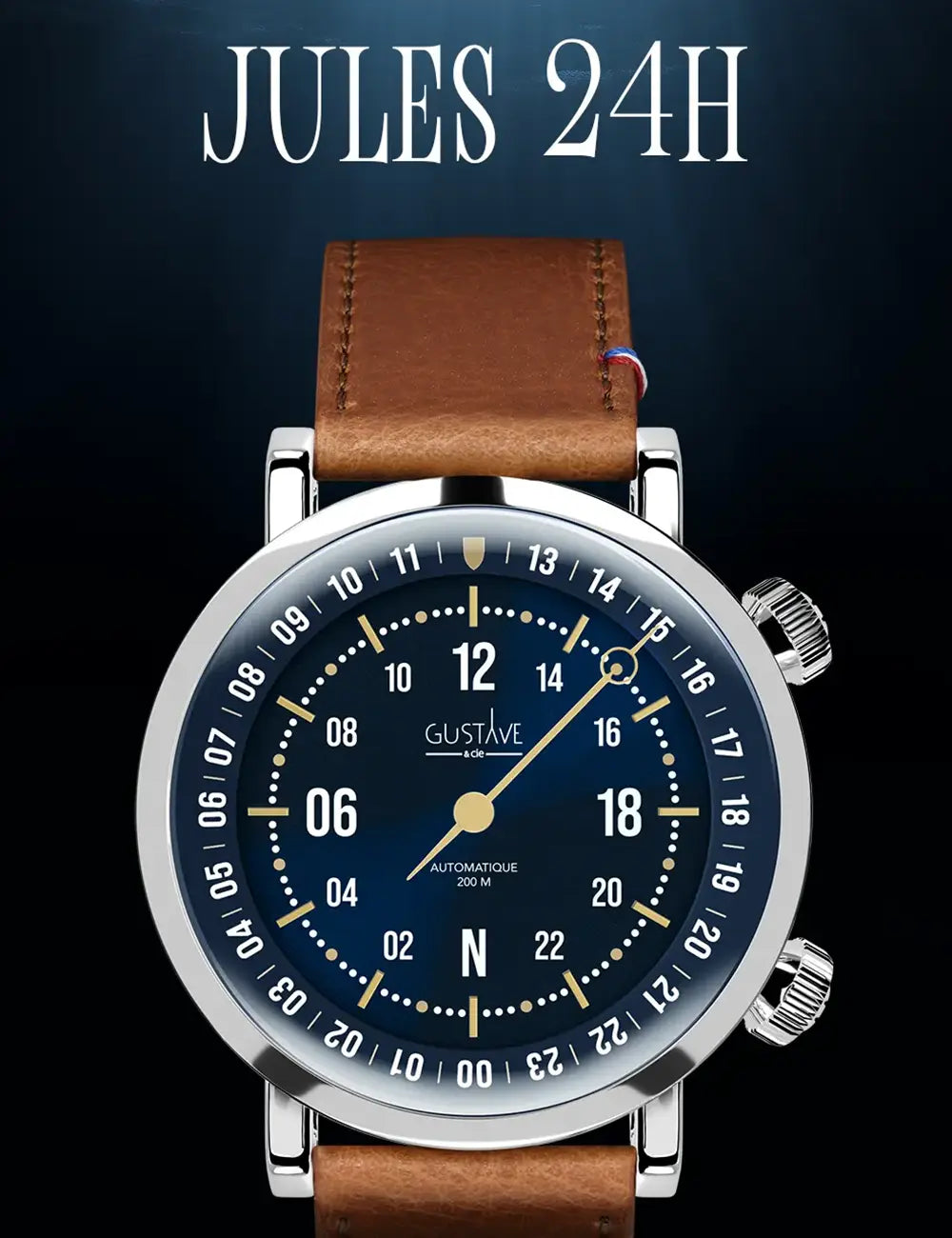
At Gustave & Cie, our standard is to offer timepieces that combine timeless aesthetics with remarkable reliability, all while retaining an accessibility that is dear to us. This is why we have made the strategic and qualitative choice of PVD surface treatment for our collections.
Whether to achieve the deep, contemporary black of certain cases, or to offer yellow and rose gold variations of great finesse, the PVD process allows us to guarantee exceptional colour retention over time. Unlike classic plating, our PVD finishes resist oxidation and daily friction. This technical choice fits perfectly into our vision of horology: to design robust, elegant watches in France, conceived to accompany you faithfully, day after day.
Conclusion
PVD and DLC perfectly illustrate the evolution of modern horological technologies. Much more than mere decorative finishes, these treatments contribute to enhancing the durability and resistance of contemporary watches.
PVD appeals with its versatility, aesthetic richness, and excellent balance between protection and accessibility. DLC, for its part, stands out as one of the highest-performing solutions for those seeking maximum scratch resistance.
In any case, understanding these technologies allows you to better appreciate the work carried out on a watch case and to choose the finish most suited to your use and lifestyle.
DISCOVER OUR COLLECTIONS OF WATCHES WITH PVD FINISHES
Leave a comment
This site is protected by hCaptcha and the hCaptcha Privacy Policy and Terms of Service apply.