

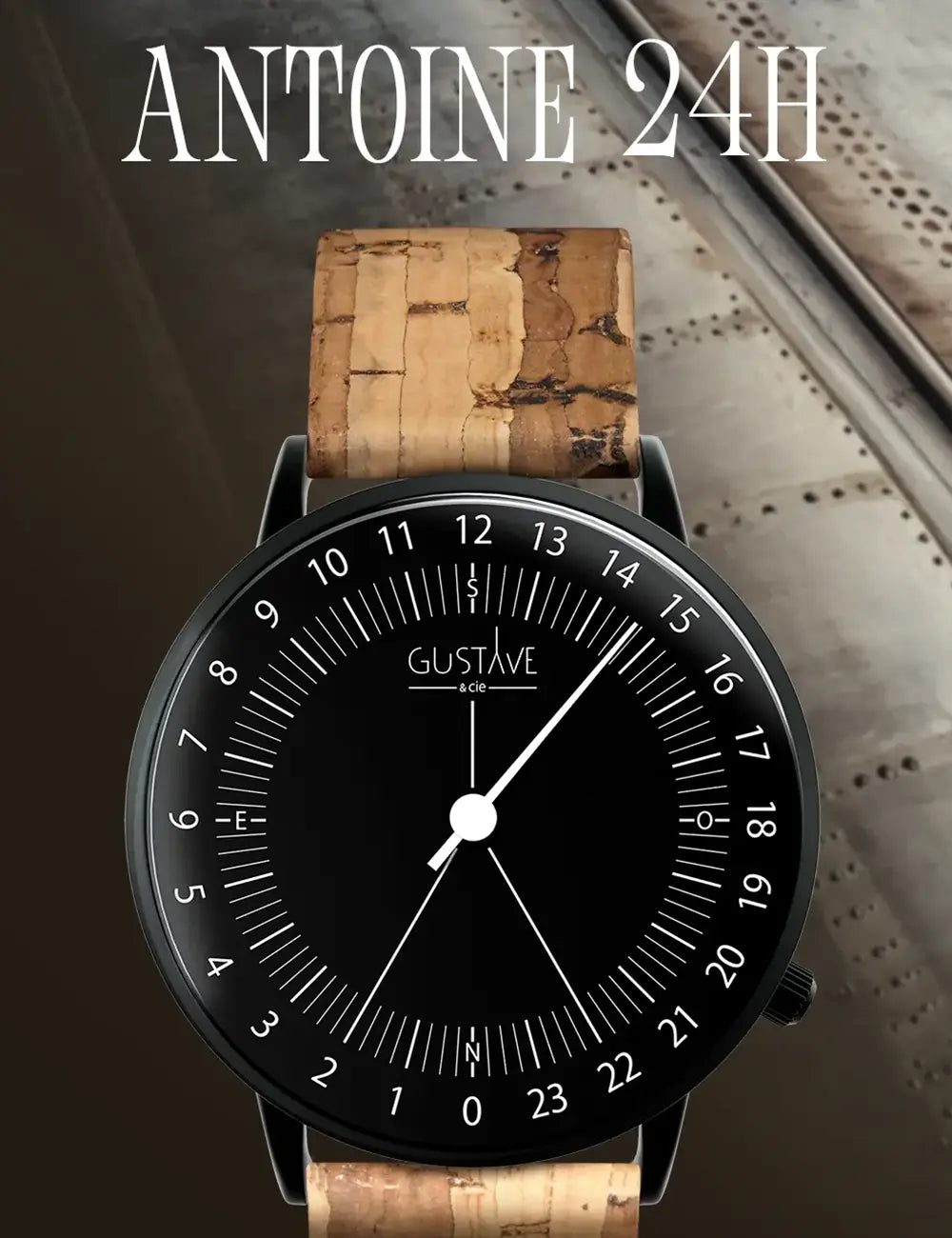
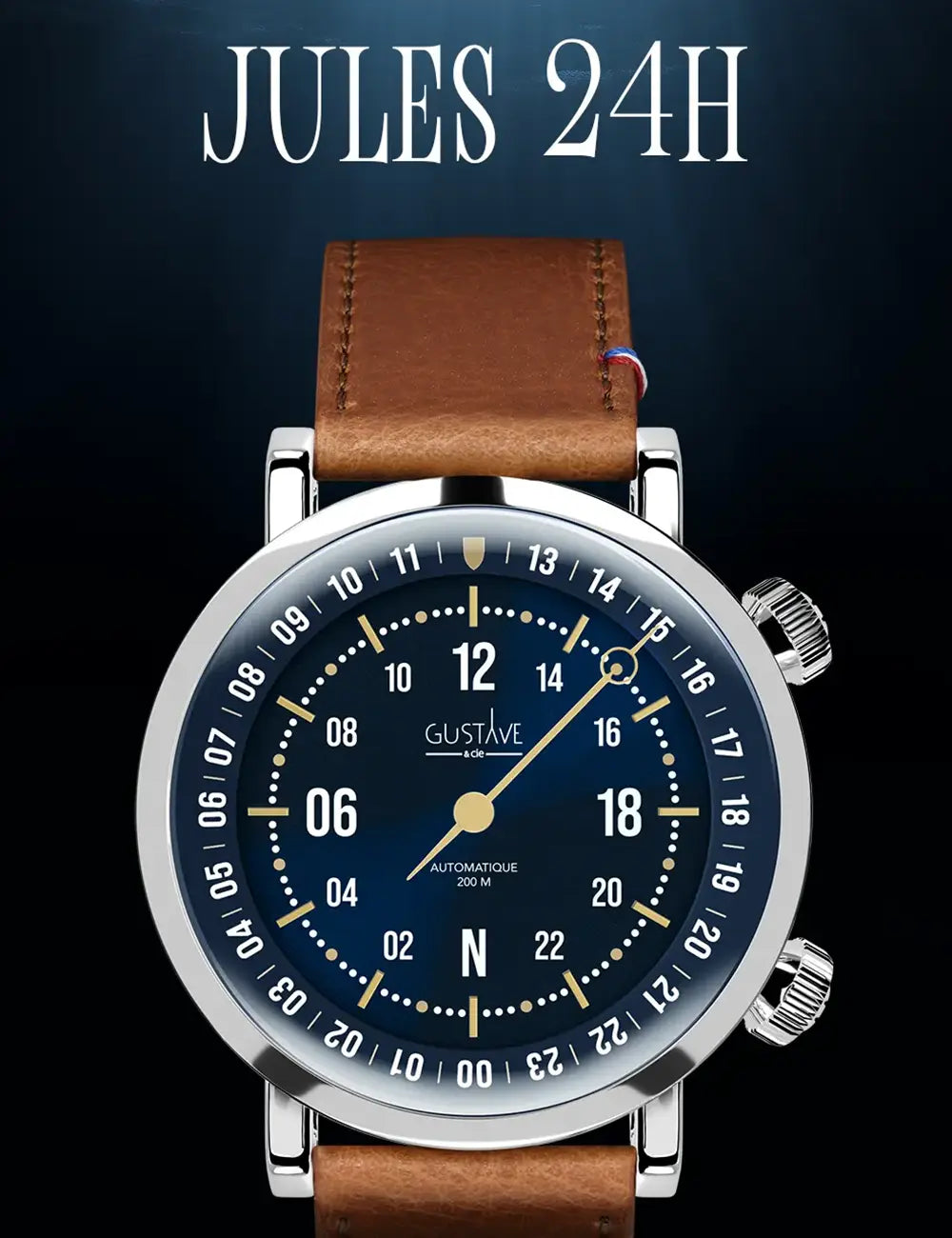

Automatic or quartz watch: which one to choose for everyday wear?
When choosing a new timepiece, one question almost always arises: should you opt for an automatic or a quartz watch? Behind this choice lie two very different ways of experiencing your watch on a daily basis.
It is not simply a matter of comparing two technologies or determining which is the most efficient. A quartz watch primarily favours ease of use, while an automatic watch focuses on the pleasure of wearing a mechanism animated by your own movements. This guide aims to help you make the right choice based on your lifestyle, your habits, and what you truly expect from your watch.
Two watch philosophies
Choosing between an automatic or quartz watch is above all choosing how you wish to use your watch on a daily basis.
The quartz watch favours simplicity. It is precise, autonomous, and requires practically no attention. You put it on your wrist and it simply does its job.
The automatic watch offers a different approach. Its movement works thanks to the gestures of the wearer, which implies a few habits, but also a certain pleasure of use. Many enthusiasts precisely appreciate this visible or invisible mechanics that recalls all the horological expertise behind their timepiece.
Neither of these two philosophies is better than the other. They simply meet different expectations.
The quartz watch: everyday simplicity
The quartz watch is designed for those who above all seek simplicity. Its greatest quality lies in its ease of use: you place it on your bedside table on Friday evening, you put it back on your wrist on Monday morning, it still displays the correct time.
It requires no manual winding and demands very little attention on a daily basis. Aside from changing the battery every two or three years and an adjustment during the transition to summer or winter time, it is always ready to accompany you.
This reliability and autonomy make it an excellent choice in many situations. A quartz watch is particularly suited:
- For intense professional use: when precision and punctuality are essential.
- For sports activities: thanks to excellent resistance to shocks and vibrations.
- For occasional wear: ideal if you regularly alternate between several watches, without having to set them before each use.
Ultimately, the quartz watch is for those who wish to enjoy their timepiece without worrying about how it works. It is a reliable, precise, and particularly practical solution for everyday life.

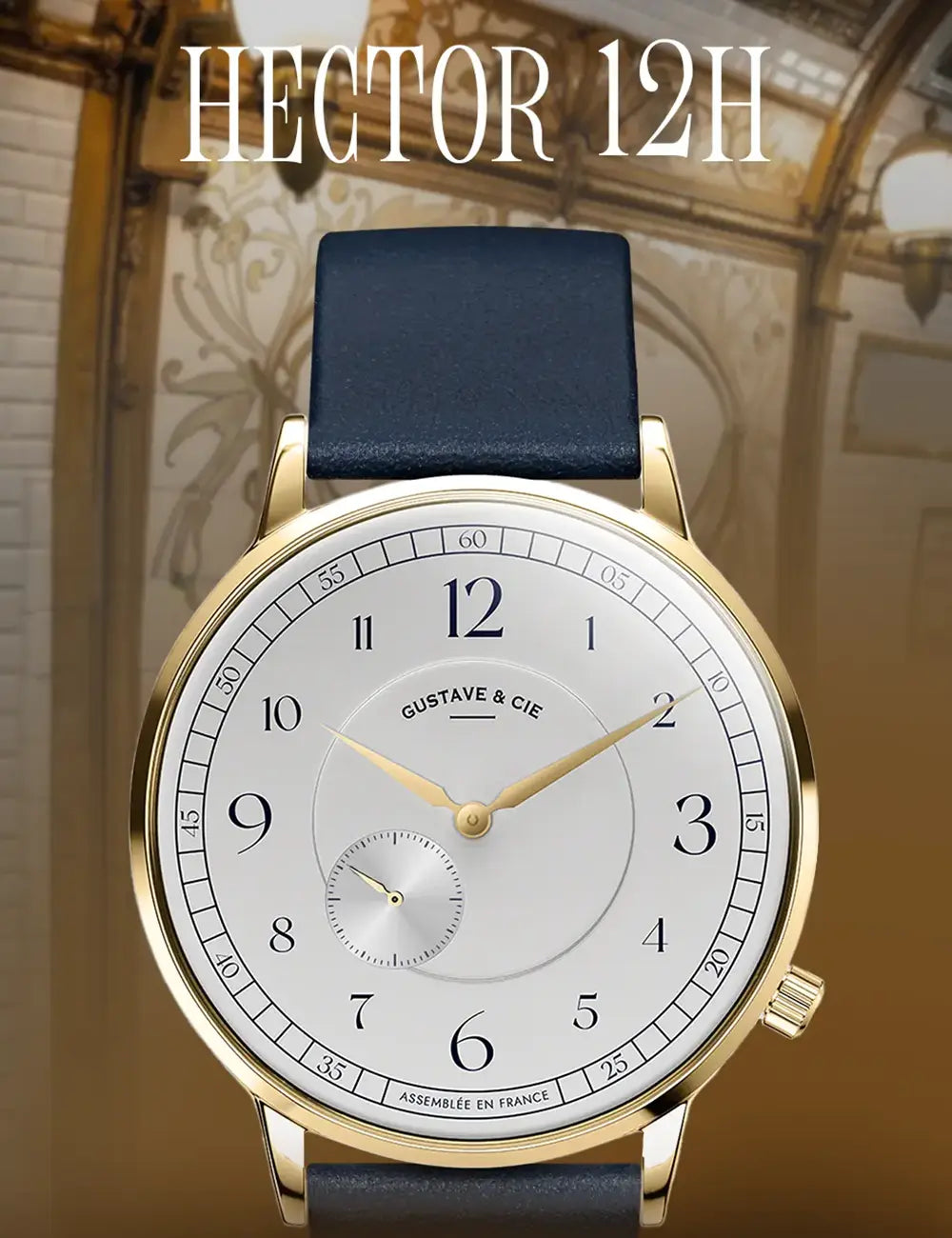
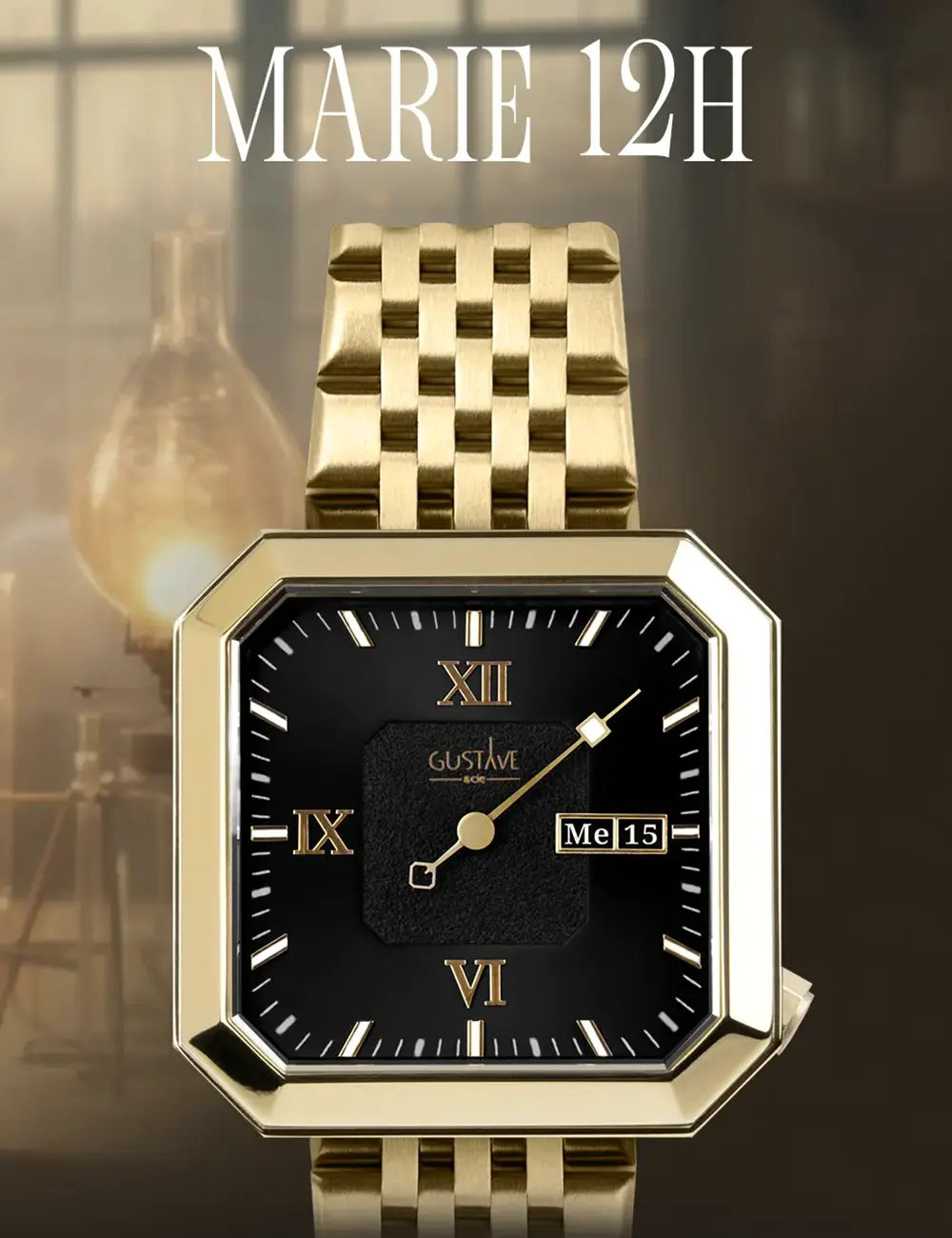
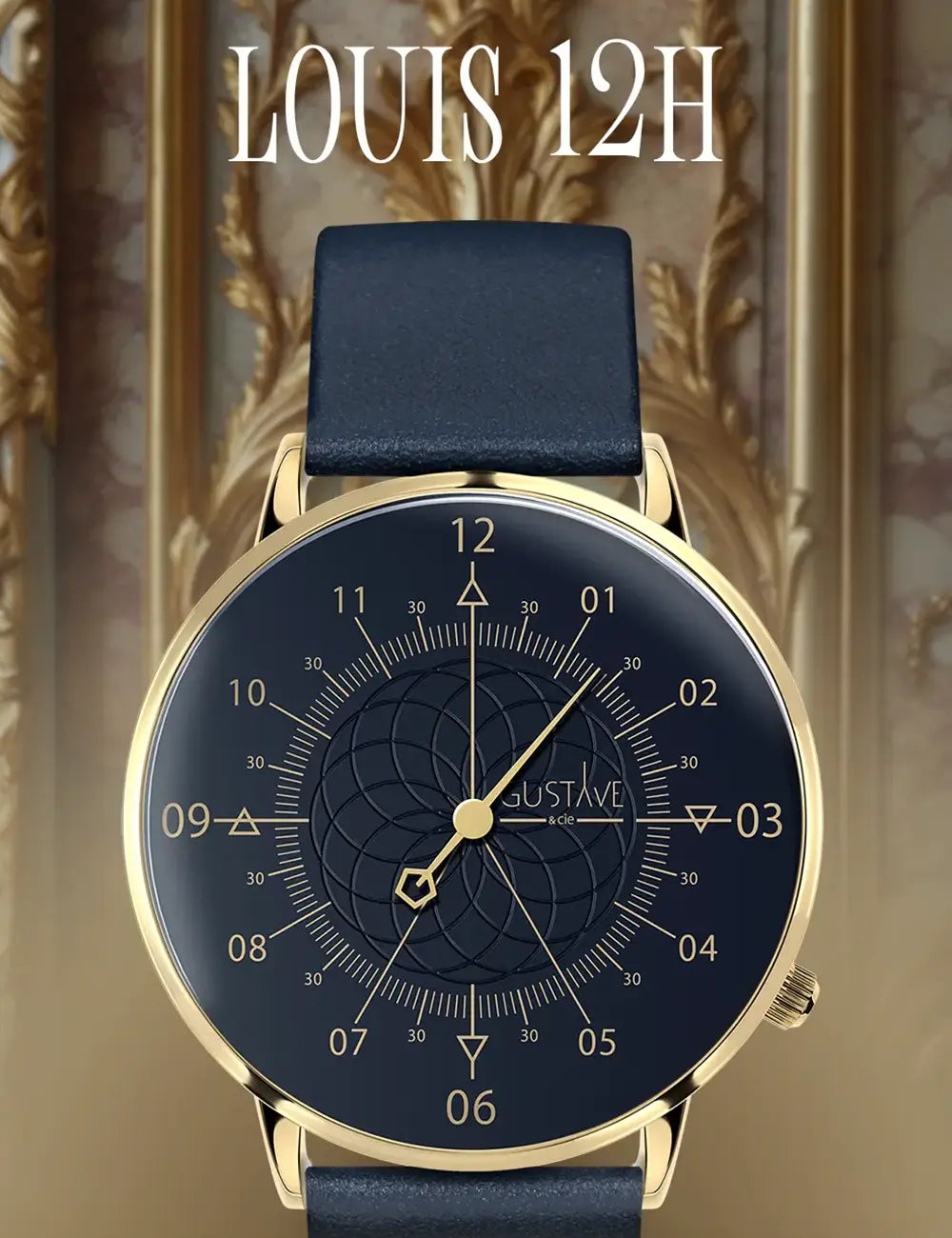
Three Gustave & Cie quartz models showcasing different styles and finishes: the Louis 12H with a silver Milanese bracelet, the Hector 12H with a Havana brown leather strap*, and the Marie 12H Classique with a grained Chocolate brown leather strap.
*The Havana brown leather strap has since been replaced by the Havana brown stitched leather strap.
The automatic watch: a horological experience
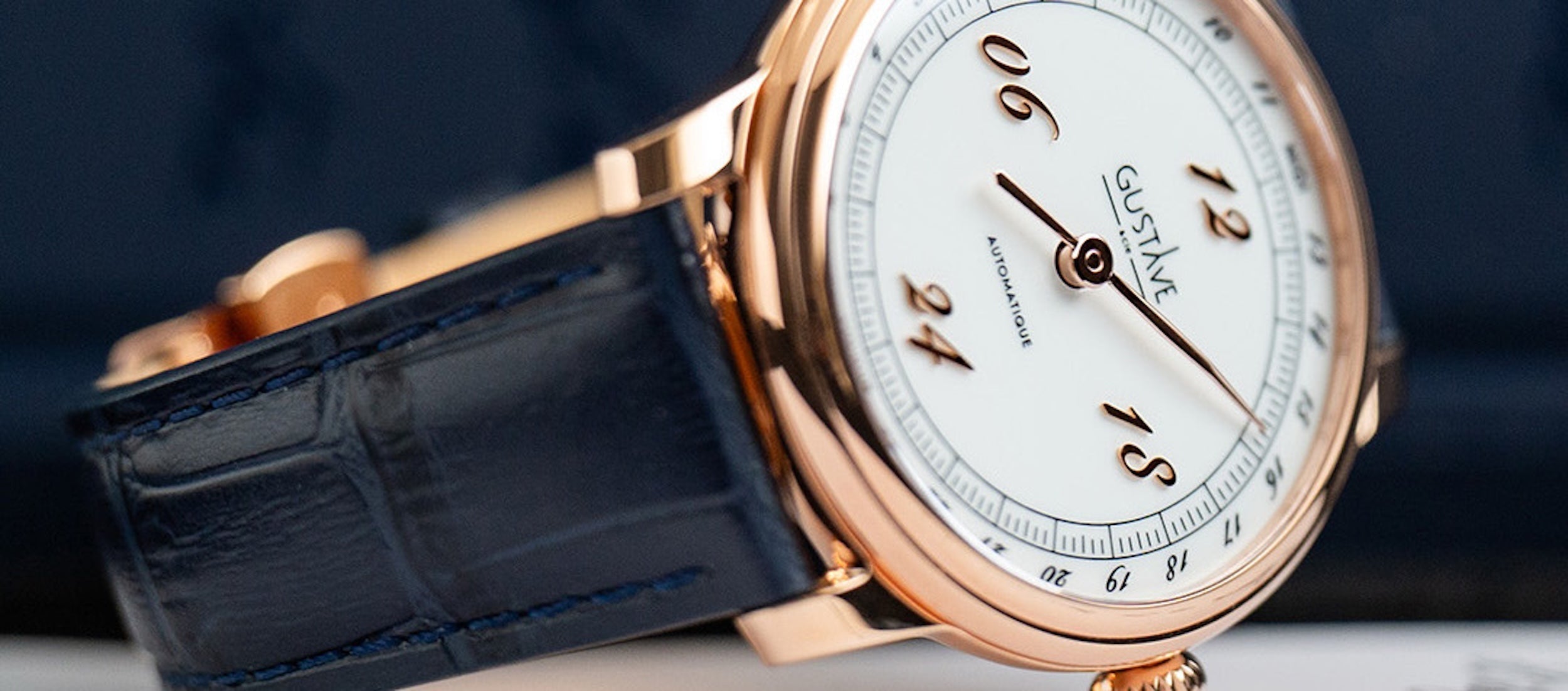
Conversely, the automatic watch appeals more to those who appreciate horological mechanics. Unlike quartz, its movement operates without a battery: it is powered by the natural movements of the wrist thanks to an oscillating weight that progressively winds the mainspring.
This technology implies a few habits. If the watch is not worn for several days, its power reserve will eventually run out. It must then be wound and set to the correct time before being worn again. For some, this is a constraint; for others, it is simply a way to fully enjoy their watch.
It is precisely this interaction that appeals to many enthusiasts. An automatic watch does not merely display the time: it also highlights horological expertise, the precision of a mechanical movement, and the work carried out by watchmakers.
It will be particularly suitable:
- For watchmaking enthusiasts: who appreciate the beauty and complexity of a mechanical movement.
- For everyday wear: so that the watch keeps running naturally.
- For those seeking a traditional timepiece: where the mechanics are an integral part of the pleasure of ownership.
Choosing an automatic watch often means choosing an object that is appreciated as much for its operation as for its aesthetics.

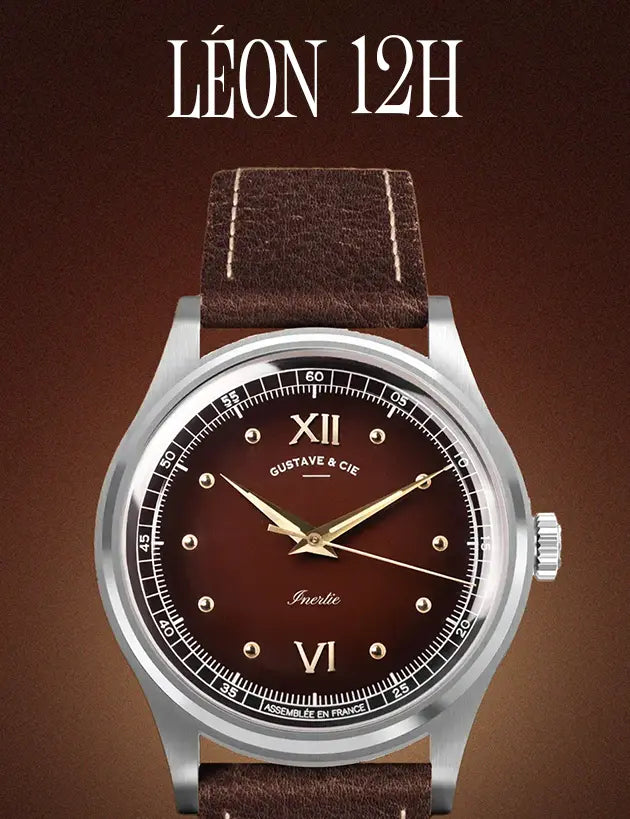
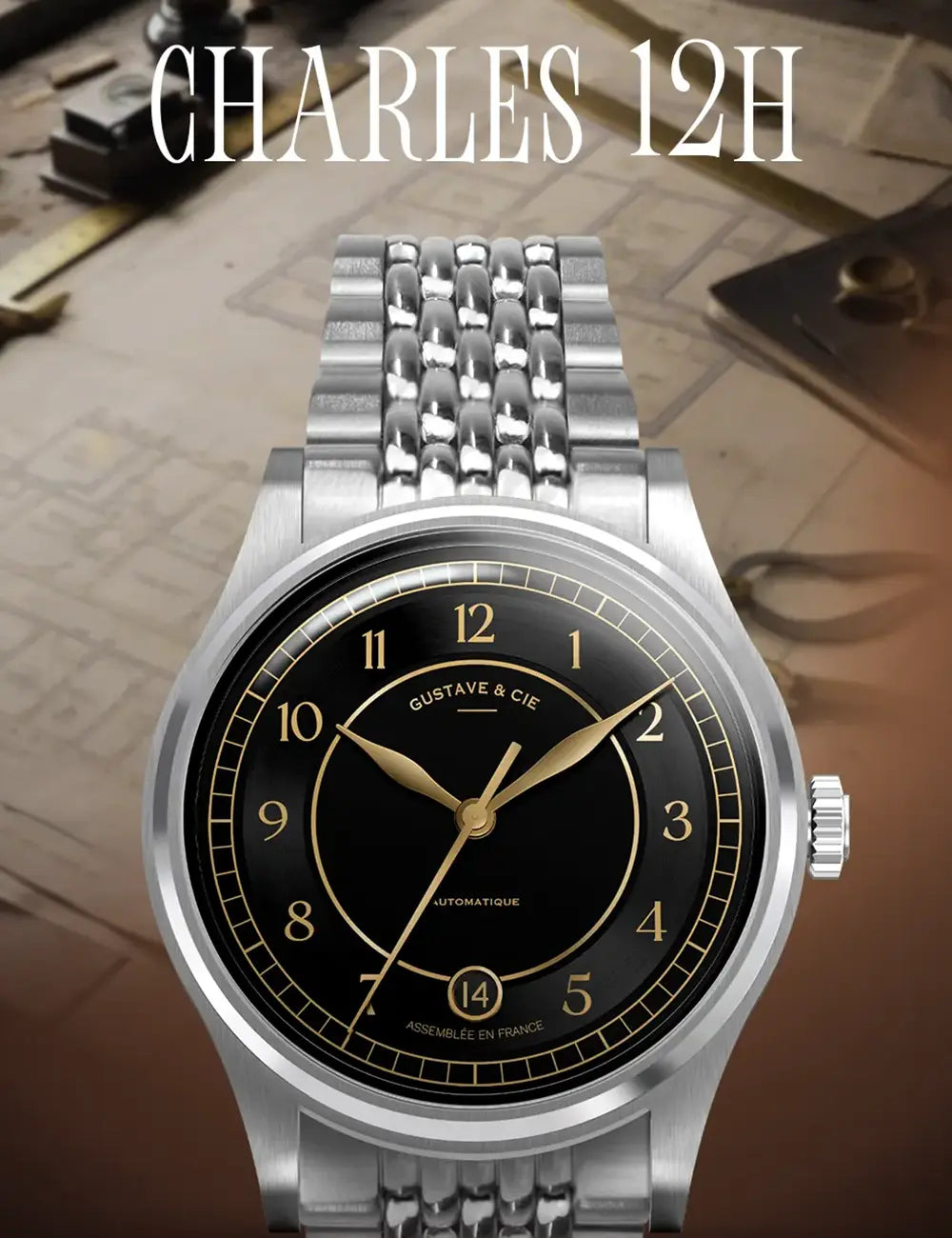
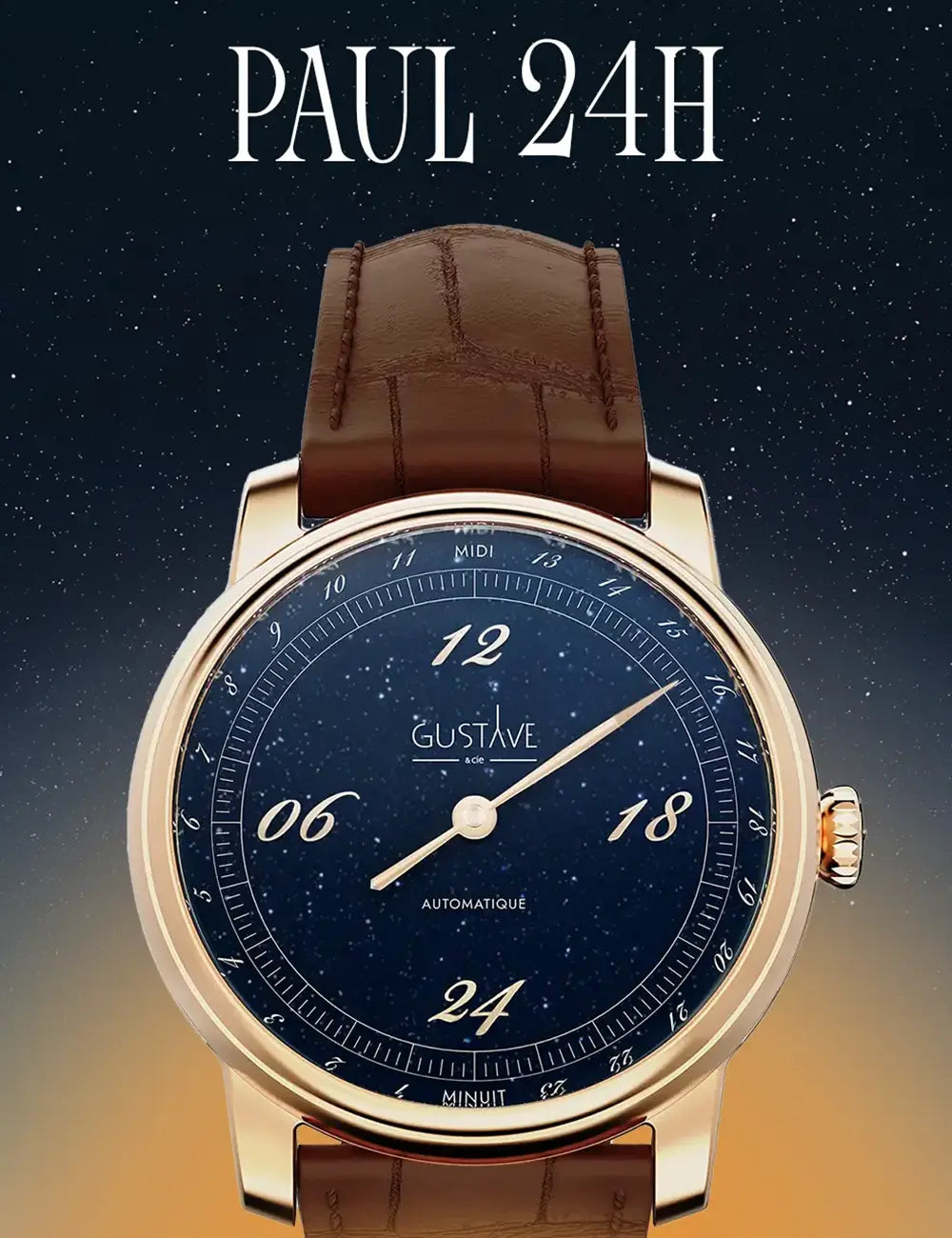
Three Gustave & Cie automatic collections showcasing different styles: the Léon 12H with a grained Chocolate brown leather strap, the Charles 12H with a stainless steel beads-of-rice bracelet, and the Paul 24H with a blue crocodile-pattern leather strap.
Comparison Table: Quartz vs Automatic
|
Criteria |
Quartz watch |
Automatic watch |
|
Precision |
★★★★★ |
★★★★☆ |
|
Maintenance |
Very low |
Periodic servicing (every 5 to 7 years) |
|
Autonomy |
2 to 3 years with a battery |
40 to 80 hours of power reserve |
|
Occasional use |
Simple and practical |
Engaging and interactive |
|
Operation |
Battery-powered |
Mechanical movement |
|
Maintenance cost |
Low |
Higher |
What you need to know about maintenance
Beyond how they work, an automatic or quartz watch does not require the same maintenance over the years. This is a point often overlooked when purchasing, even though it can influence your choice.
With a quartz watch, maintenance remains very limited. It mainly consists of replacing the battery every two to five years depending on the movement used. This operation is quick, inexpensive, and carried out in a few minutes by a watchmaker. Aside from this, a periodic water-resistance check is advised, as with any watch.
An automatic watch operates differently. Its mechanical movement contains numerous parts in constant interaction, lubricated by watch oils. Over time, these oils age and gradually lose their effectiveness. This is why a complete service is generally recommended every five to ten years, depending on the watch's usage and the manufacturer's recommendations.
You must also take the power reserve into account. If the watch remains unworn for several days, it will naturally end up stopping. It will then simply need to be wound and set to the correct time before wearing it again.
In both cases, regular maintenance will allow you to keep your timepiece for many years.
Precision and everyday feel
If precision is your priority, the quartz watch clearly takes the lead. Its movement is extremely regular and only drifts by a few seconds per month. On a daily basis, this means you will practically never need to adjust the time on your watch.
An automatic watch operates on an entirely mechanical principle. It is therefore normal for it to run slightly fast or slow, generally by a few seconds a day. This variation depends on many factors, such as the regulation of the movement, the temperature, or even the way the watch is worn.
For the majority of users, this difference remains imperceptible in everyday life. On the other hand, mechanical watch enthusiasts gladly accept this slight drift, which is part of the natural operation of an automatic movement.
Ultimately, it all depends on what you are looking for: almost absolute precision or the pleasure of wearing an entirely mechanical movement.
Conclusion
Choosing between an automatic or quartz watch does not mean determining which one is the best. These two technologies simply meet different expectations.
If you primarily seek simplicity, high precision, and limited maintenance, quartz is an excellent choice. Conversely, if you appreciate horological mechanics, traditional craftsmanship, and the pleasure of wearing a movement entirely animated by your wrist, an automatic watch will captivate you.
In all cases, the best watch is above all the one that naturally adapts to your daily life and that you will enjoy wearing for many years.
DISCOVER OUR AUTOMATIC AND QUARTZ WATCH COLLECTIONS

Leave a comment
This site is protected by hCaptcha and the hCaptcha Privacy Policy and Terms of Service apply.