


The role of social media in watchmaking: a revolution in motion
For decades, the watchmaking industry relied on traditional codes, cultivating mystery, exclusivity, and long-term perspectives. The hushed windows of physical boutiques, international fairs closed to the general public, and the glossy pages of specialised magazines represented the only true points of contact between brands and enthusiasts. However, in recent years, and with a clear acceleration since the 2020s, a major upheaval has redefined this landscape: the advent and omnipotence of the digital realm. Today, analysing and understanding the influence of social media in the world of watchmaking has become absolutely essential for anyone interested in the evolution of this fascinating sector.
These social platforms, initially perceived by some purists as too ephemeral for a craft based on longevity and transmission, have now become the beating heart of global watchmaking communication. Whether you are a seasoned collector searching for a rare mechanical complication, or a young professional looking for your very first beautiful designer watch, your journey inevitably passes through the screen of your smartphone. How have these digital tools transformed the approach of brands? In what ways do they shape new aesthetic trends and concretely influence your purchasing decisions? Let us dive together into the complex and fascinating workings of this connected revolution.
Instagram and TikTok: the new global showcase for watchmaking
If there is one field where aesthetics, proportions, and details take precedence, it is indeed watchmaking. Watches are meticulous objects, whose subtle finishes often only reveal themselves to the most attentive eye. As such, purely visual platforms like Instagram, and more recently TikTok, offer a digital showcase of unprecedented power and reach. The role of social media in watchmaking takes on its full meaning here: they replace, complement, and elevate the traditional physical shop window.
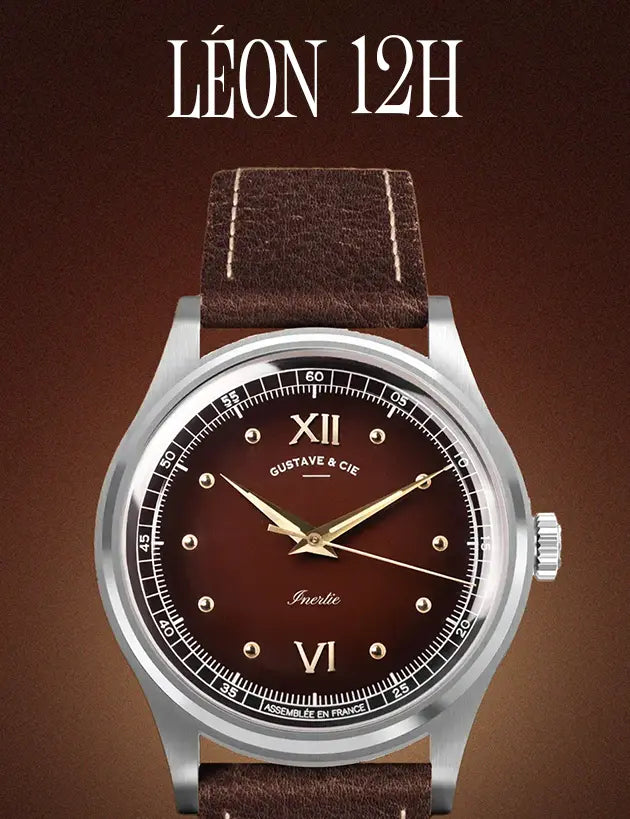
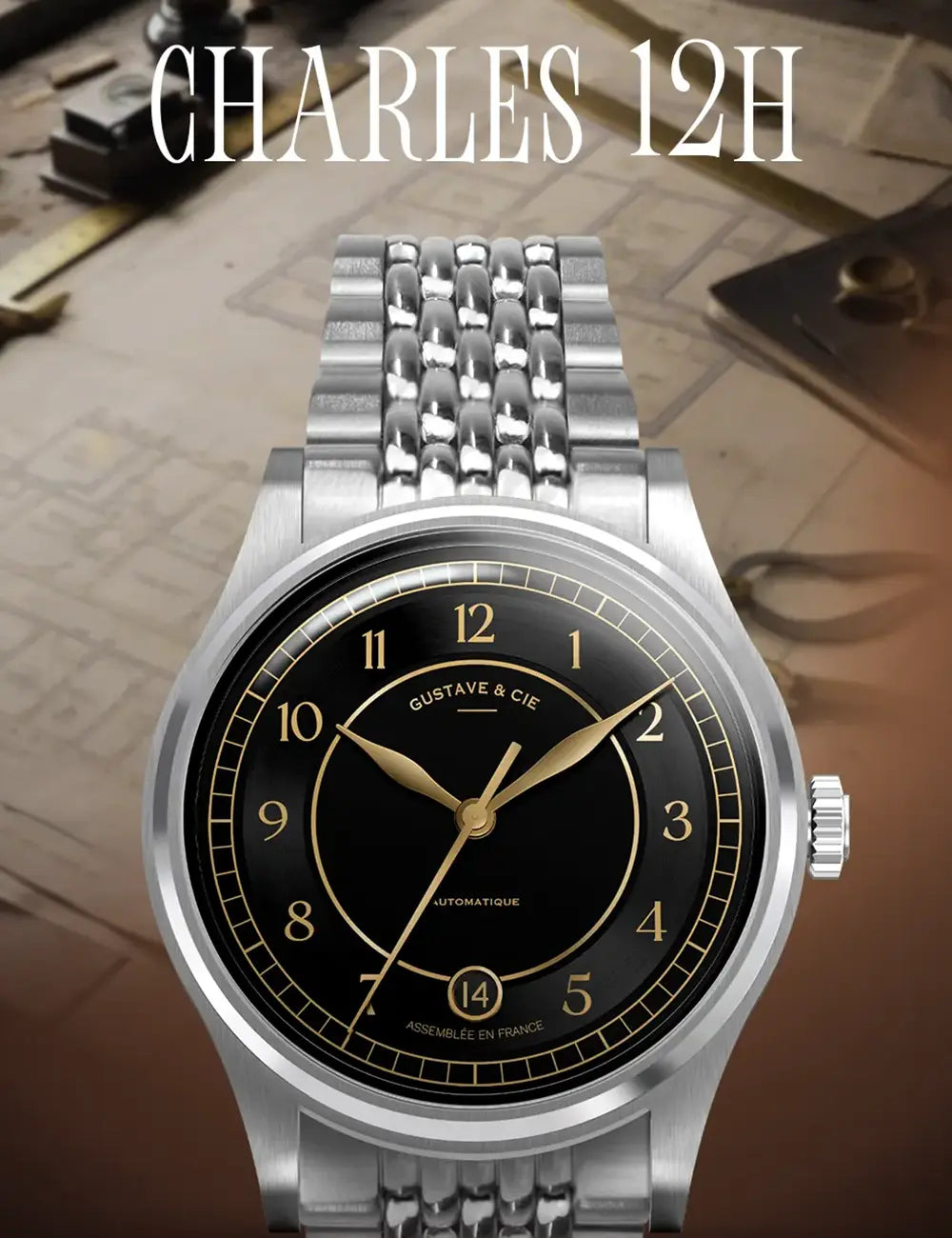
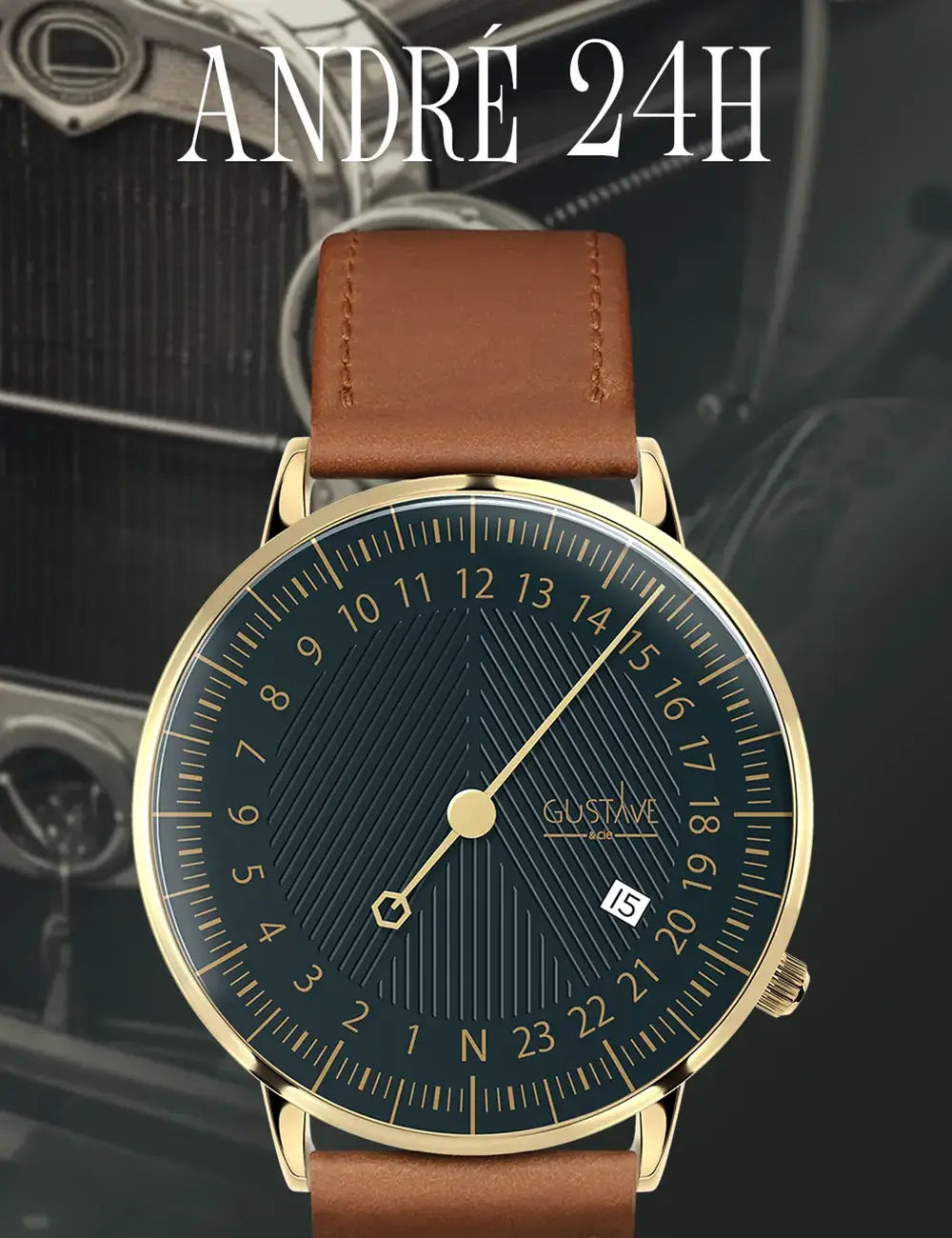
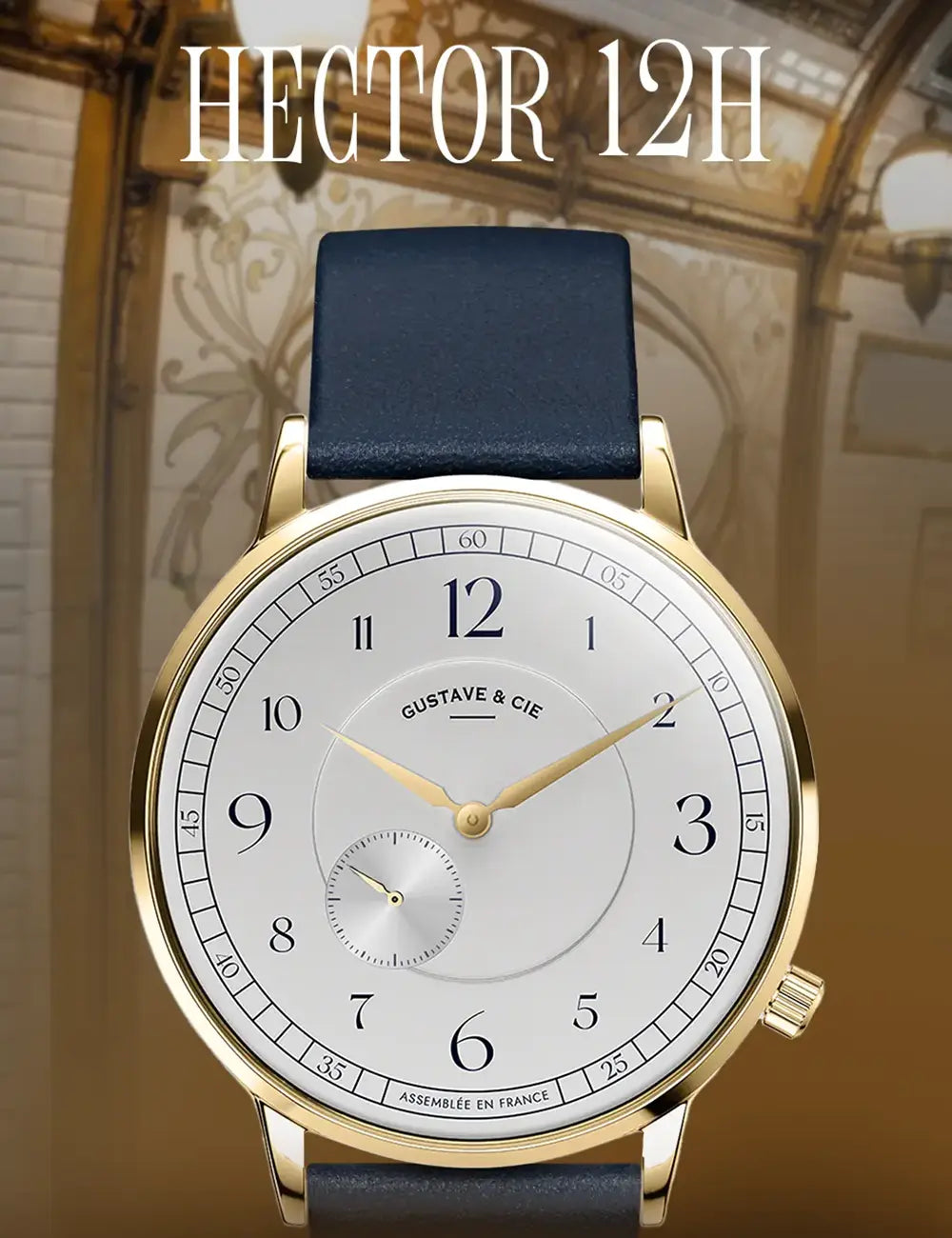
Thanks to the democratisation of macro photography and ultra-high-definition videos, it is now possible to dive into the heart of a textured dial, admire the meticulous brushing of a stainless steel case, or contemplate the smooth, continuous sweep of a mechanical second hand without having to cross the threshold of a jeweller. The play of light on a domed sapphire crystal, the nocturnal luminescence of the indices, or even the nascent patina of a leather strap are highlighted through striking aesthetic content. New trends are even emerging, such as watchmaking "ASMR" videos on TikTok, where the simple click of a crown during winding or the tick-tock of the balance wheel are enough to captivate thousands of viewers.
More than just a digitised catalogue, these platforms allow brands to create a truly immersive visual universe. The timepiece is no longer presented alone against a clinical white background; it is systematically placed in context. It is associated with a specific sartorial style, a dynamic urban environment, or an adventurous landscape. This contextualisation, often called the "wrist roll" (the flick of the wrist revealing the watch), helps enthusiasts immediately project themselves and imagine how the object would fit into their own daily lives. The image thus becomes a powerful vector of emotion, transforming a mechanical assembly into a genuine lifestyle symbol.
Building, engaging, and uniting communities of enthusiasts
Before the era of social media, watch enthusiasts often experienced their passion in isolation, or through a few restricted circles and specialised forums that were often intimidating for novices. One of the most significant impacts of the role of social media in watchmaking lies in the total democratisation and expansion of these communities. Today, geographical, generational, and social barriers are fading in favour of a common passion, shared instantly across the entire world.
Instagram comment sections, Facebook support groups, and countless message threads on platforms like Reddit have become the new bustling spaces for exchange. You can proudly share photos of your latest acquisition, passionately debate the merits of a Japanese automatic movement versus a Swiss calibre, or seek advice on maintaining a vintage piece. This horizontality of communication profoundly and lastingly alters the relationship between brands and their clients.
Watchmaking houses can no longer settle for broadcasting a top-down, unilateral message. They must now interact, listen, moderate, and respond with agility. This proximity, when well-managed, allows for the forging of particularly strong bonds of trust and loyalty. Sometimes, these direct interactions go as far as actively influencing the creation of future models. Brands that listen to their community are able to capture emerging expectations in real time, whether it is a highly requested return to more restrained case diameters (between 36 and 39 mm) or a growing demand for specific and accessible watch complications.
To go further: Our article on the rise of micro-brands through digital platforms
The influence of content creators and the power of storytelling
In this ultra-competitive new digital ecosystem, influencers, bloggers, and specialised content creators have rapidly acquired the status of essential new tastemakers. The influence of digital media is strongly embodied today by these enthusiasts who demystify sometimes technical concepts and guide the choices of their vast audience. Whether through incredibly detailed video reviews on YouTube or refined photographic selections on Instagram, their voice matters, and their authenticity is meticulously scrutinised by their followers.
Faced with an increasingly educated, informed, and demanding public, purely commercial or corporate discourse no longer works. It is here that the art of storytelling takes on its full meaning. Modern consumers seek meaning, transparency, and a unique story to align with. Social networks provide the ideal space to recount the genesis of a watch, the historical anecdotes that inspired its design, or the behind-the-scenes processes of its manufacture and assembly.
For independent brands valuing local craftsmanship, showing the concrete steps of an assembly carried out in France becomes, for example, a major point of differentiation. Sharing the daily life of the workshops, highlighting the precise gesture of the craftsman adjusting a hand, or transparently explaining the origin of components (such as the choice of a robust and reliable movement) justifies the quality and creates a true emotional attachment. Honesty and transparency are immediately rewarded by increased engagement from a clientele that wishes to consume more ethically and thoughtfully.

The art of watchmaking in the era of transparency: a watchmaker meticulously adjusts a movement in the workshop, content highly prized by digital communities for its authentic value.
From "Social Commerce" to redefining the customer experience
Finally, the dazzling evolution of the role of social media in watchmaking is not limited solely to communication or the search for visibility. It also profoundly transforms the purchasing journey itself. With the increasing and seamless integration of direct sales features directly onto the platforms (what is known as "Social Commerce"), the boundary between the visual discovery of a product and its acquisition has drastically narrowed. It is now technically possible to go from falling in love with a colourful dial to confirming an order in just a few clicks, without ever leaving the application.
Although purchasing a designer watch often requires time for reflection and comparison, social networks play a crucial role throughout the consideration phase. Intelligent advertising retargeting, user-generated content displaying the watch worn "in real life", or even Augmented Reality (AR) filters allowing one to virtually try the watch on their own wrist, reassure and convince the potential buyer.
Furthermore, these social channels have become absolutely essential touchpoints for modern customer service. Responding courteously and swiftly to a question asked in a private message concerning the specifics of a movement, the type of crystal used, or the water-resistance conditions of a model, is now an integral part of a successful and memorable customer experience. The demand for immediate responsiveness imposed by the digital world pushes the entire watchmaking sector to constantly reinvent itself, brilliantly combining the nobility of tradition with the agility of digital technology.
Conclusion
Ultimately, the role of social media in watchmaking goes infinitely further than a simple, passing marketing trend. It is a structural and cultural revolution that has fundamentally redefined the way watches are presented, discussed, compared, and ultimately acquired today. By breaking down the old codes of inaccessibility and formalism, digital technology has thrown open the doors of a fascinating world to a whole new generation of curious and uninhibited enthusiasts. Concurrently, this dynamic has compelled historical players and new creative houses alike to cultivate authenticity, innovation, and transparency.
For lovers of fine mechanics as well as for novices, this hyper-connectivity represents a genuine windfall. It allows for continuous education, the discovery of unsuspected horological gems, an understanding of technical challenges, and the sharing of a vibrant passion on a daily basis. Today's watchmaking, empowered by this digital momentum, brilliantly proves that it is possible to combine the long and precious time of artisanal design with the rewarding immediacy of digital exchange. It is precisely within this subtle balance that the future of time is being written.

Leave a comment
This site is protected by hCaptcha and the hCaptcha Privacy Policy and Terms of Service apply.