


Independent watchmaking: the rise of a new era
For decades, the global watchmaking landscape seemed frozen, dominated by historic conglomerates and untouchable luxury groups. Yet, in recent years, a wind of freedom has been sweeping across the wrists of enthusiasts: it is the advent of independent watchmaking. Far from mass-market strategies, new houses are rethinking the watch, no longer merely as a simple measuring instrument, but as a space for free expression.
This rise to power is no coincidence. In a hyper-standardised world, watchmaking aficionados are in search of meaning, transparency, and audacity. From conceptual Haute Horlogerie to accessible micro-brands, independent watchmaking is shaking up established codes and imposing a new vision of time.
What are the reasons behind this dazzling success? How do these free creators manage to compete with industry giants? Dive into the heart of a new era that is redrawing the contours of horological passion.
The new faces of independent watchmaking
Today, defining independent watchmaking requires looking beyond a simple matter of capital or shareholding. This movement represents, above all, a state of mind, a fierce desire to do things differently. It is no longer a monolithic block, but a rich and diverse ecosystem structured primarily around two main faces.
On one hand, we find the artisans of Haute Horlogerie. These master watchmakers push the boundaries of pure mechanics, inventing unprecedented complications in their workshops. They produce a few dozen pieces a year, often bespoke. Their creations are akin to kinetic works of art and are snapped up at premium prices.
On the other, we observe the meteoric phenomenon of "micro-brands" and human-scale houses. Born of the digital age, these young startups have a clear mission: to make quality watchmaking accessible once again. They free themselves from traditional distribution networks to speak directly to an audience craving authenticity.

The reasons for success: complementary logics
If independent watchmaking is so appealing, it is primarily due to its capacity to innovate rapidly. Historic manufactures and large groups are bound by colossal industrial constraints. Their development cycles are long, often designed to perpetuate timeless icons and meet global demand on a massive scale. This logic of heritage preservation is essential, but it sometimes limits aesthetic or technical risk-taking.
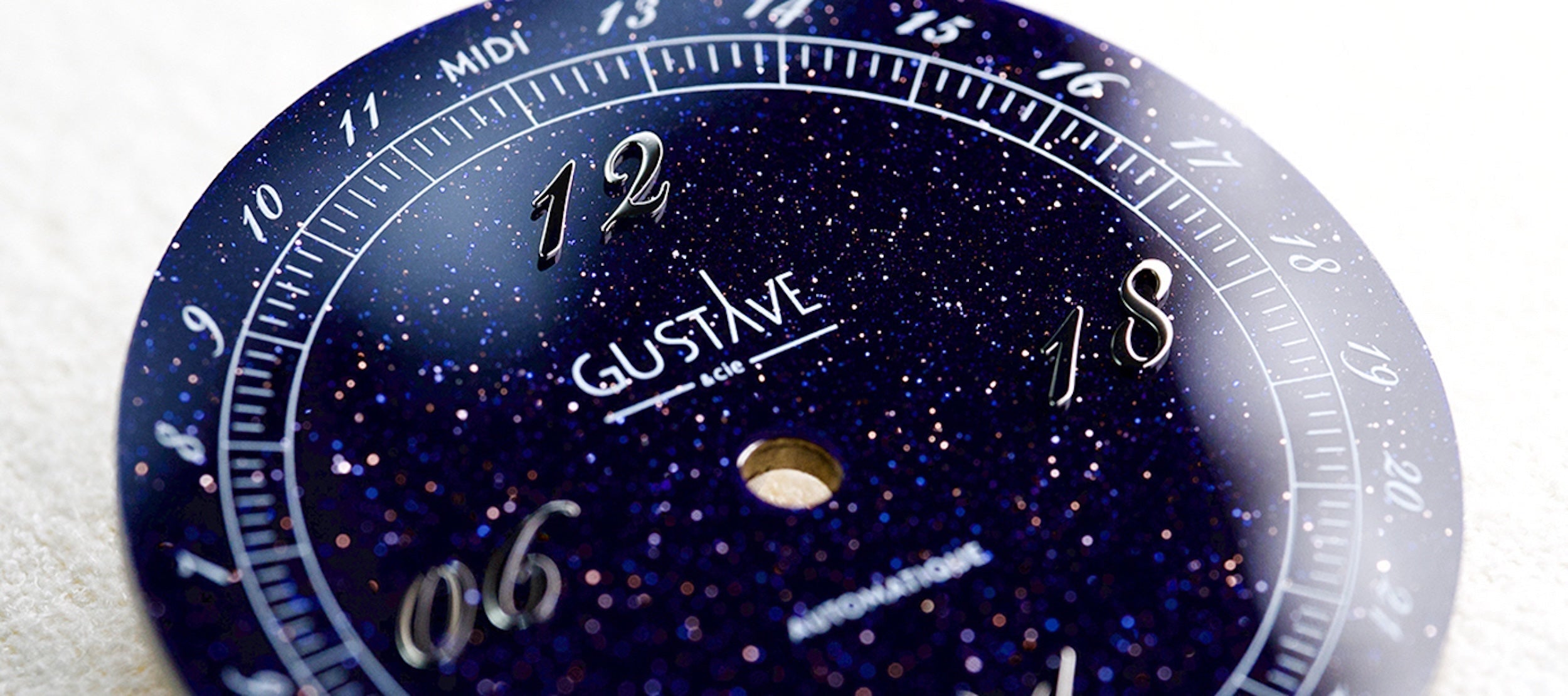
Conversely, the independent player operates under different logics. Relieved of structural burdens, they answer only to their own vision and their clients. This invaluable agility allows for unbridled creativity. We thus see the emergence of deconstructed time displays, the use of atypical materials, or even minimalist dials that challenge conventions.
When an independent creator designs a watch, the decision-making process is direct. It is this purity in design, this uncompromising boldness, that today's buyers seek, acting as the perfect complement to the great watchmaking classics.
Transparency and authenticity: the new luxury
In the 2000s, luxury was often defined by opulence and price exclusivity. The new generation of enthusiasts has radically shifted the paradigm. True luxury today lies in authenticity and transparency.
Independent watchmaking has perfectly integrated this mutation. Clients are increasingly educated: they want to know where the components come from, where the movement is assembled, and by whom. Independent brands no longer hesitate to communicate openly about their suppliers or the exact origin of their calibres, whether they are Swiss (Sellita, Ronda) or Japanese (Miyota, Seiko) movements.
This intellectual honesty dramatically strengthens trust. Rather than inventing an artificial centuries-old history, these houses build their own narrative in real-time, with a sincerity that resonates deeply with the public.
The strong comeback of French watchmaking
One of the most gratifying consequences of the rise of micro-brands is undoubtedly the revival of French watchmaking. Historically, France was one of the beating hearts of horological creation. This savoir-faire, once eclipsed, is now experiencing a spectacular renaissance driven by independent players.
Many houses are choosing to repatriate assembly, quality control, and creation to French soil. This strategic choice meets a strong consumer demand for "Made in France", synonymous with high standards, short supply chains, and the valorisation of local craftsmanship.
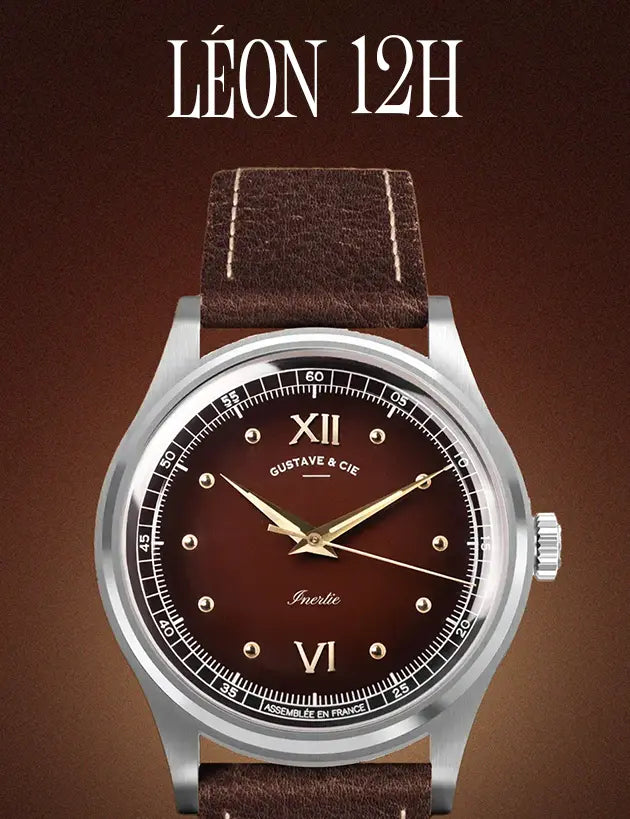
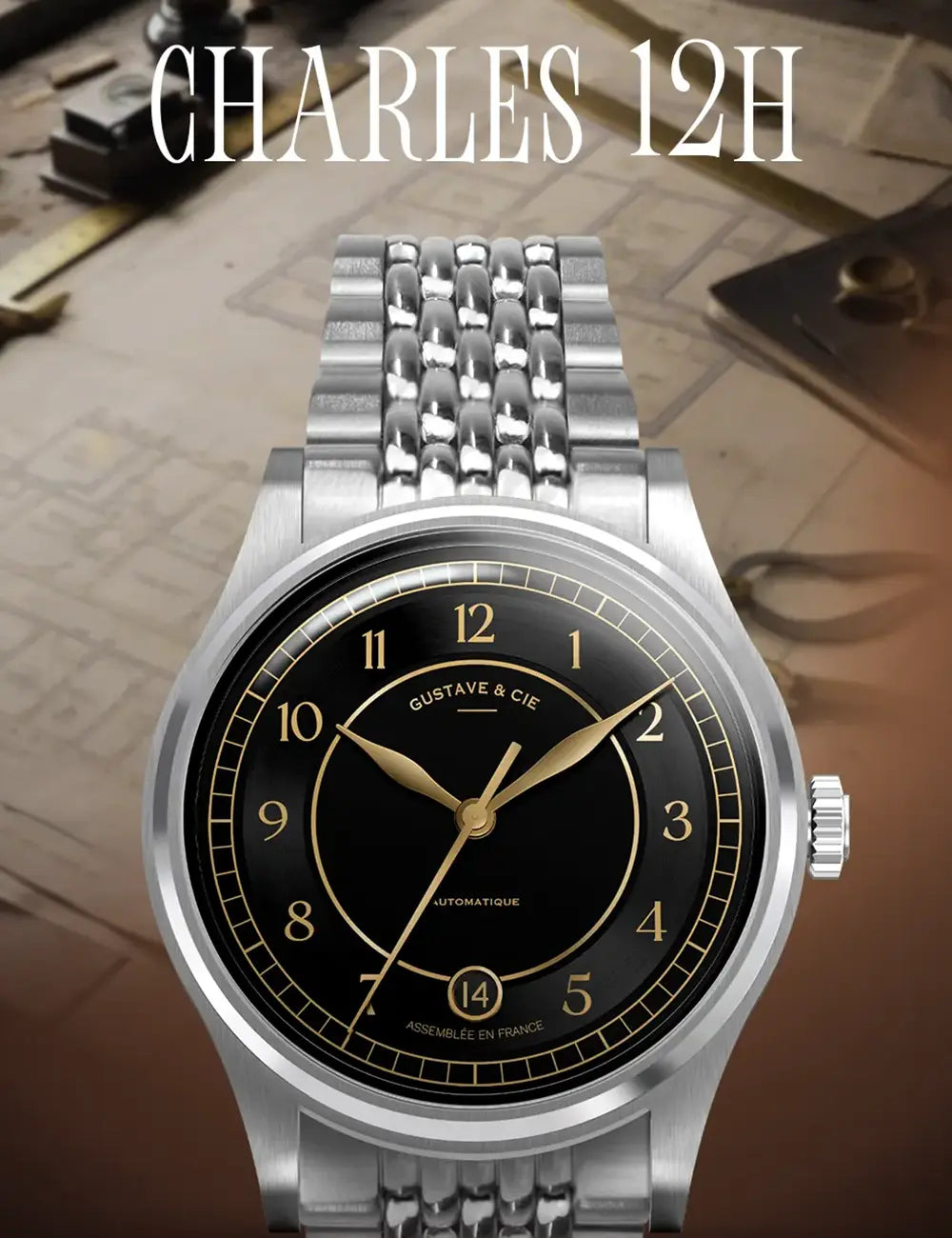
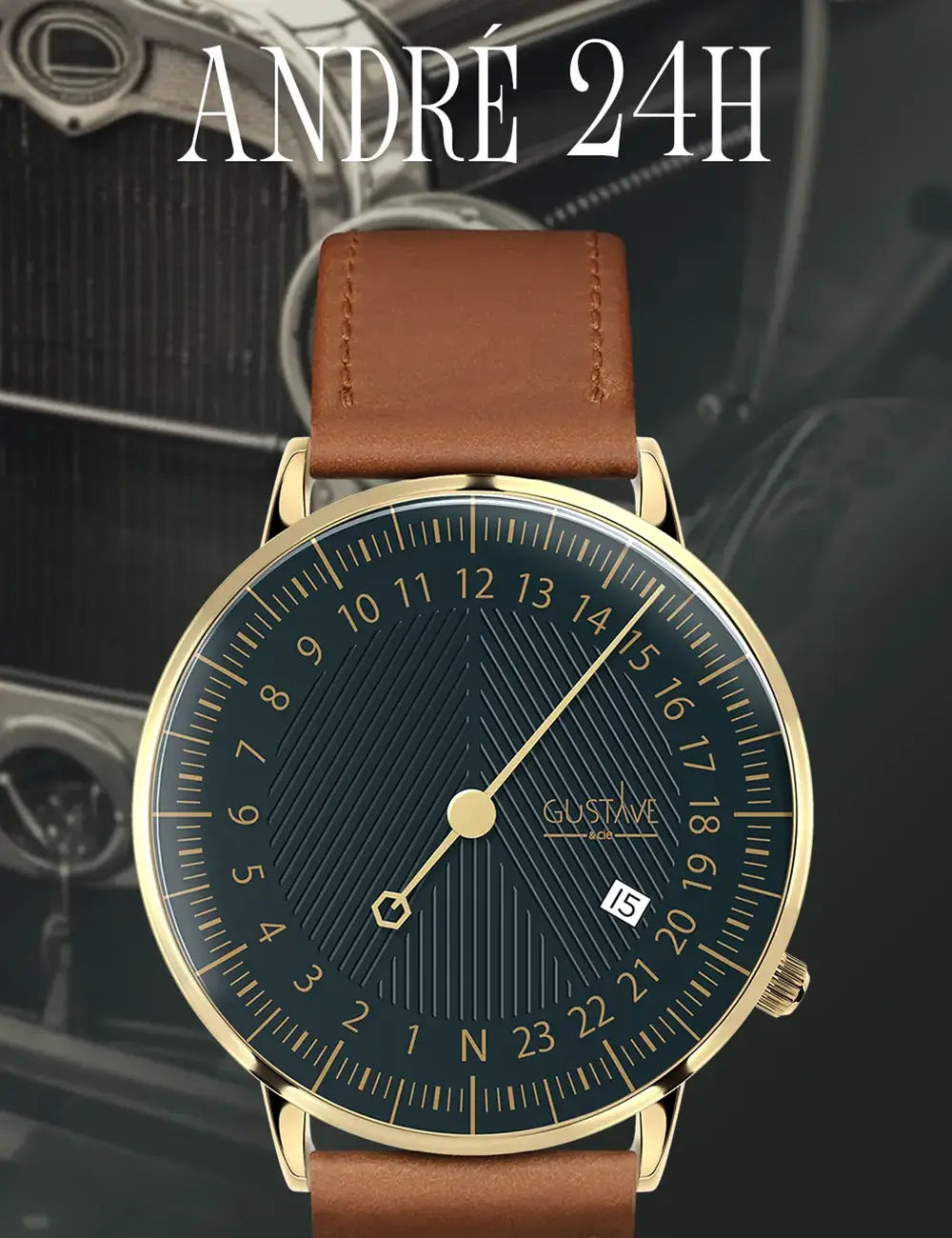
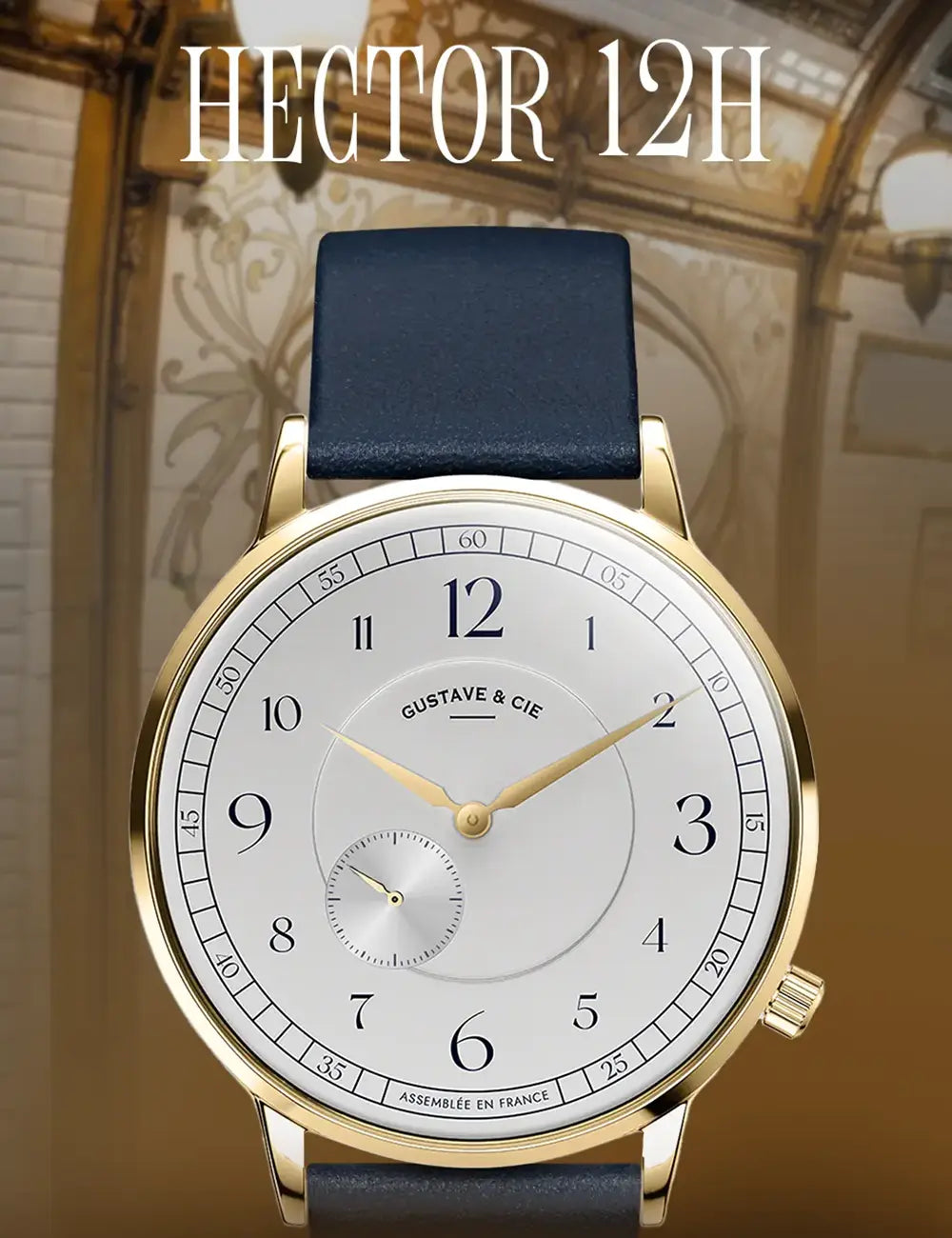
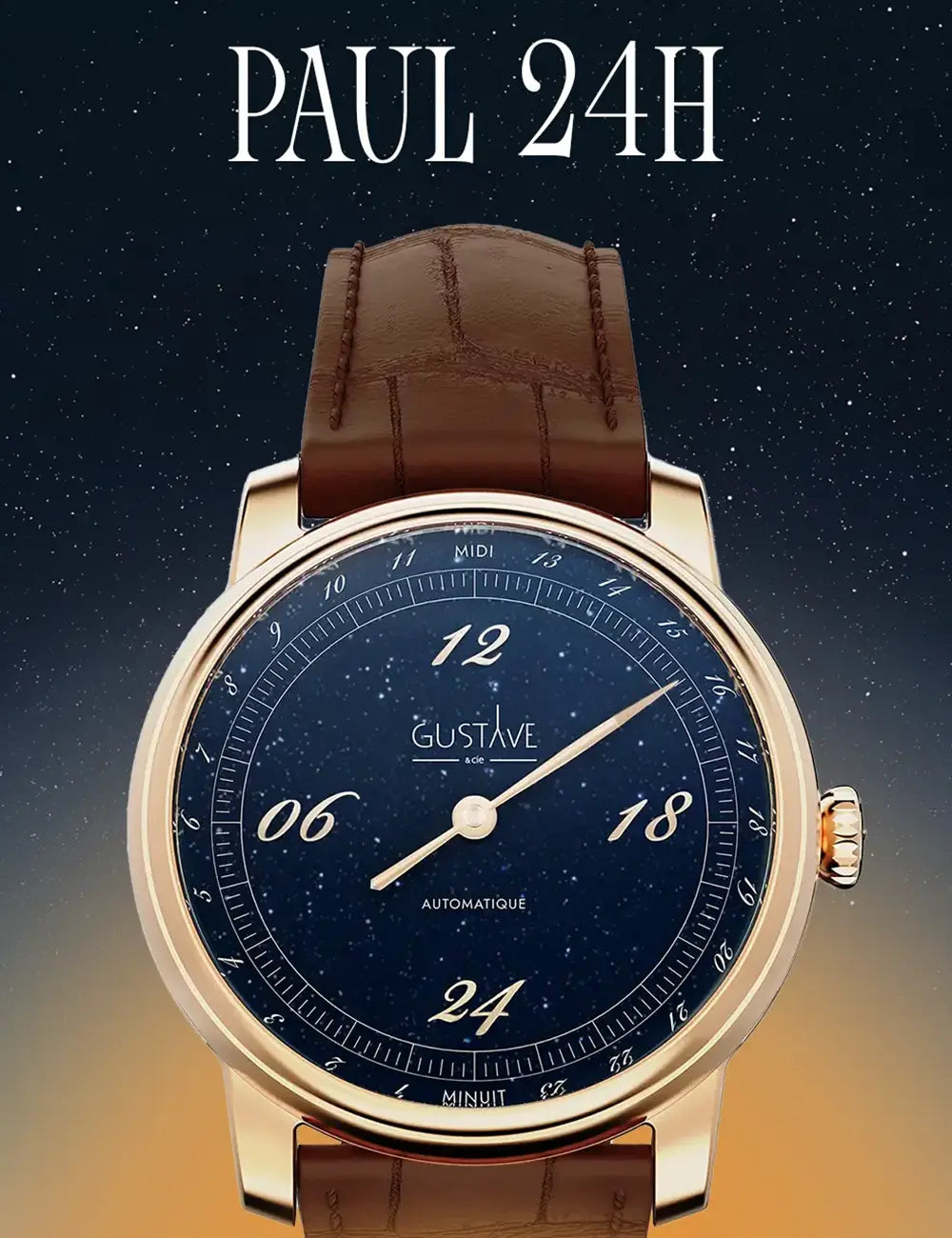
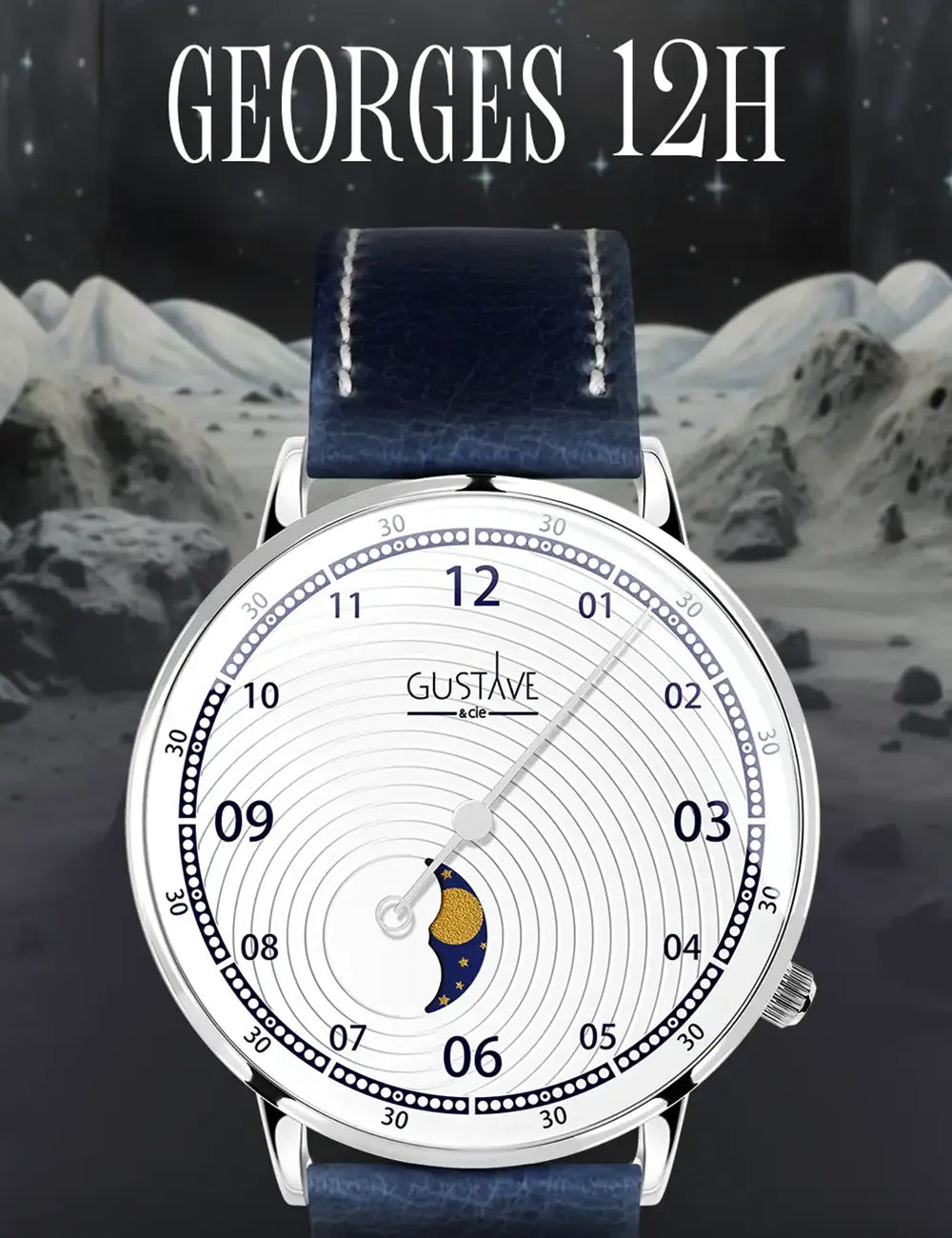
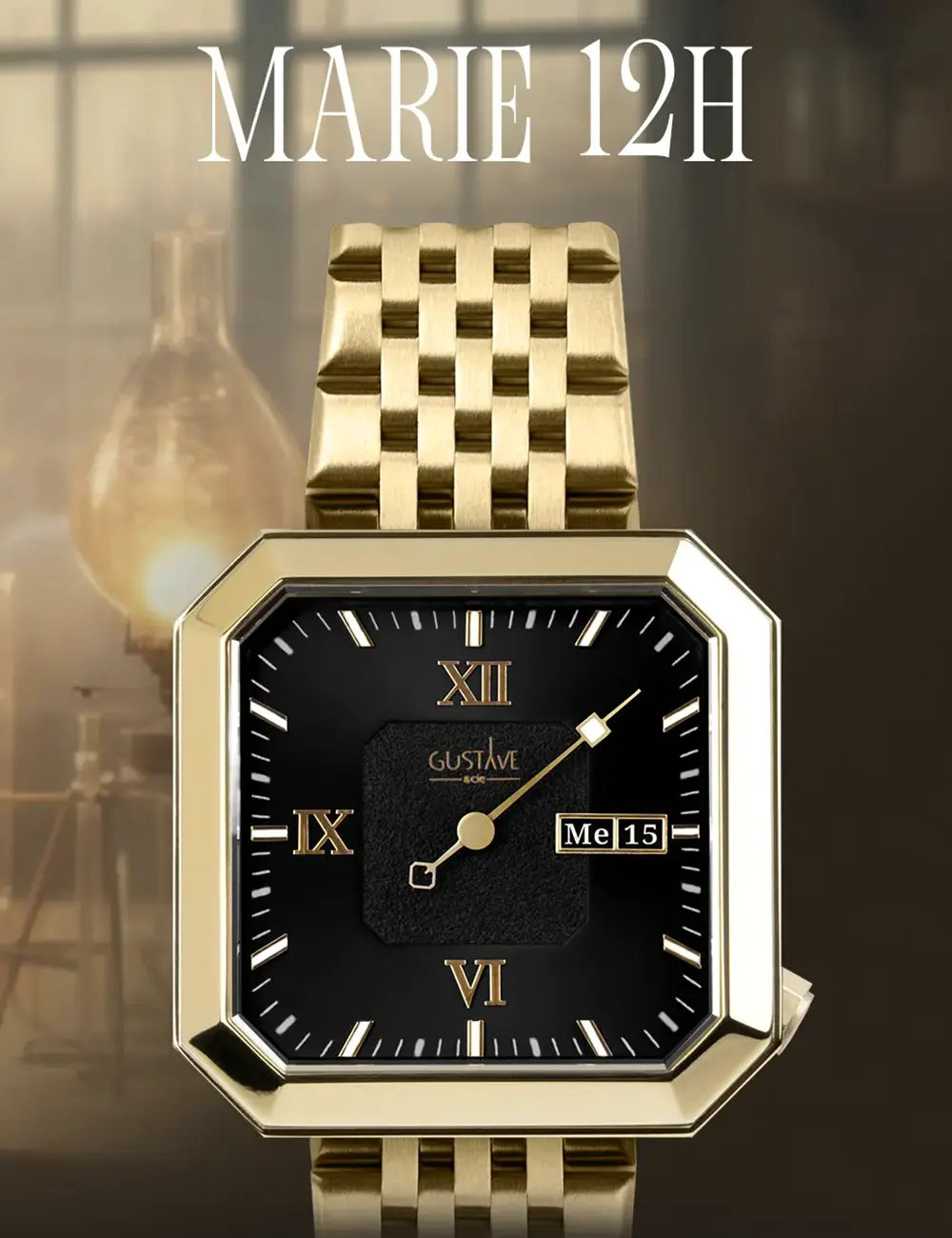
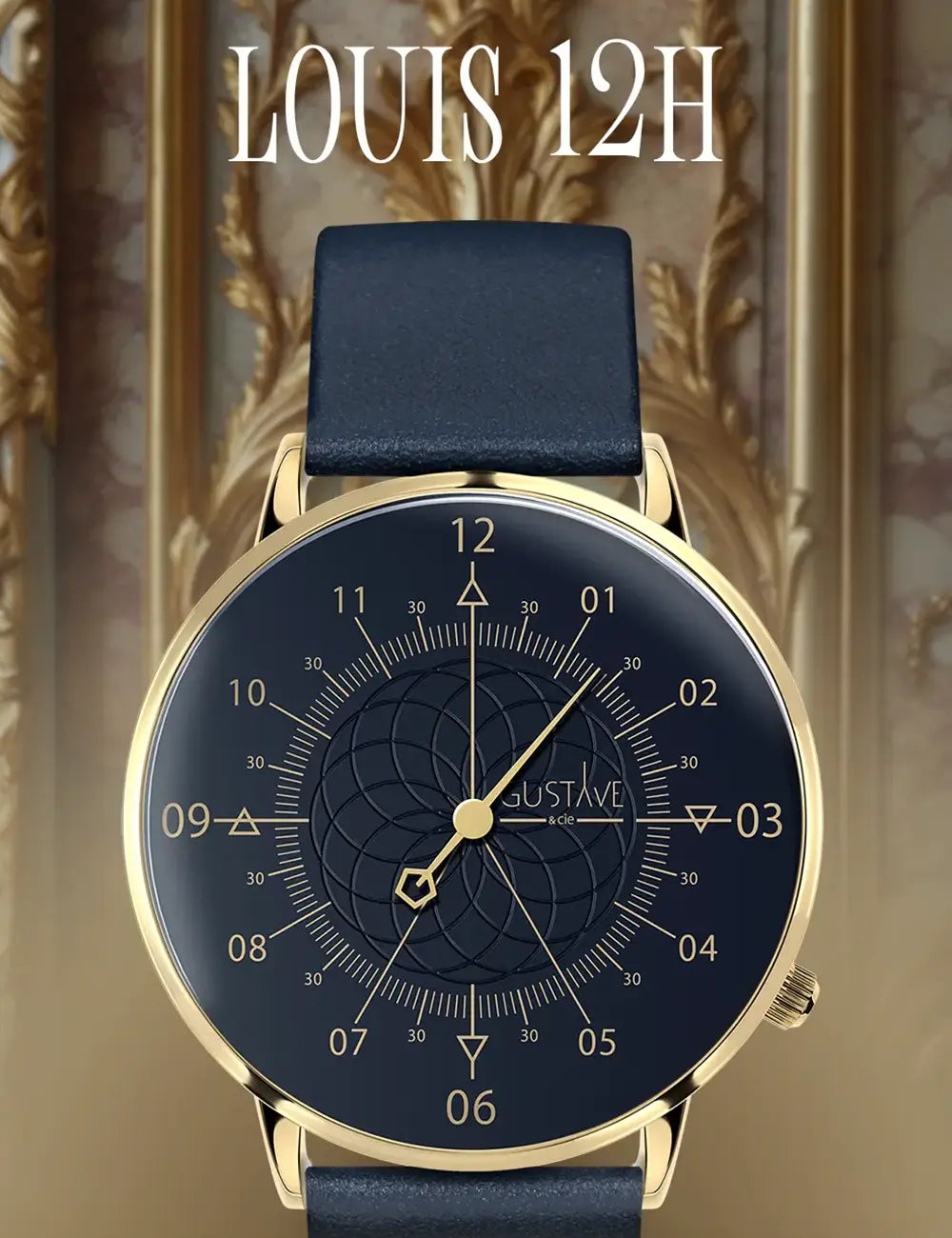
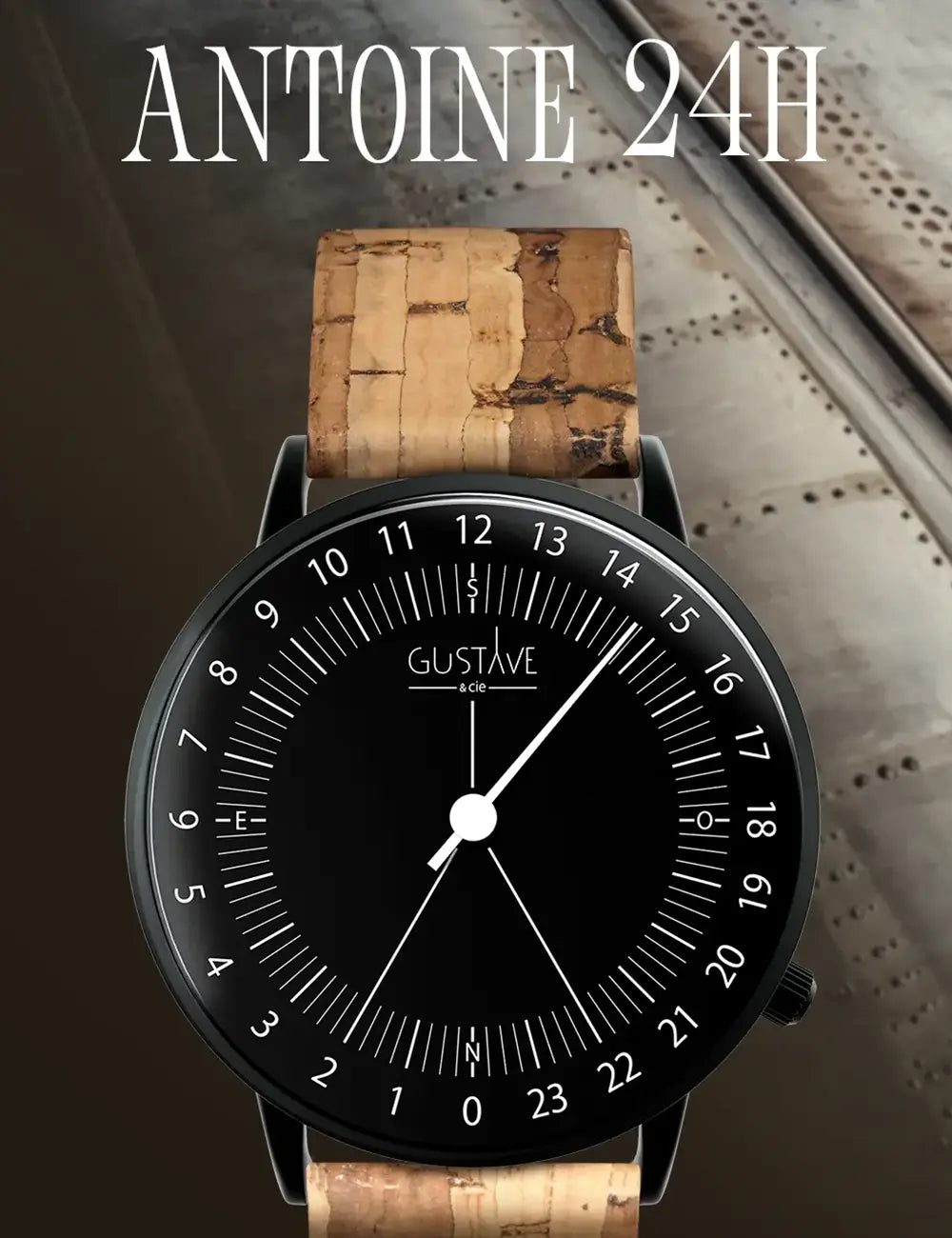
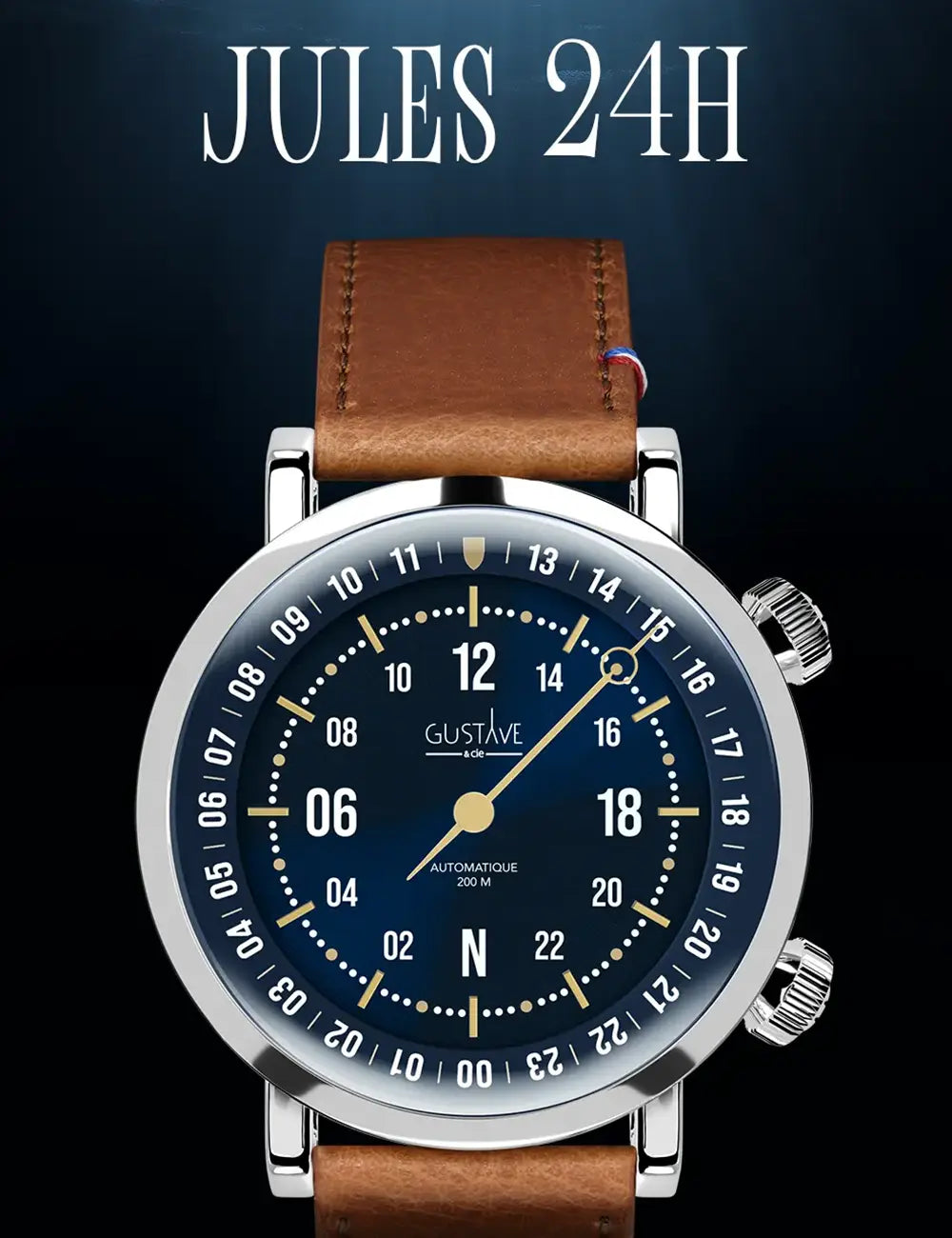
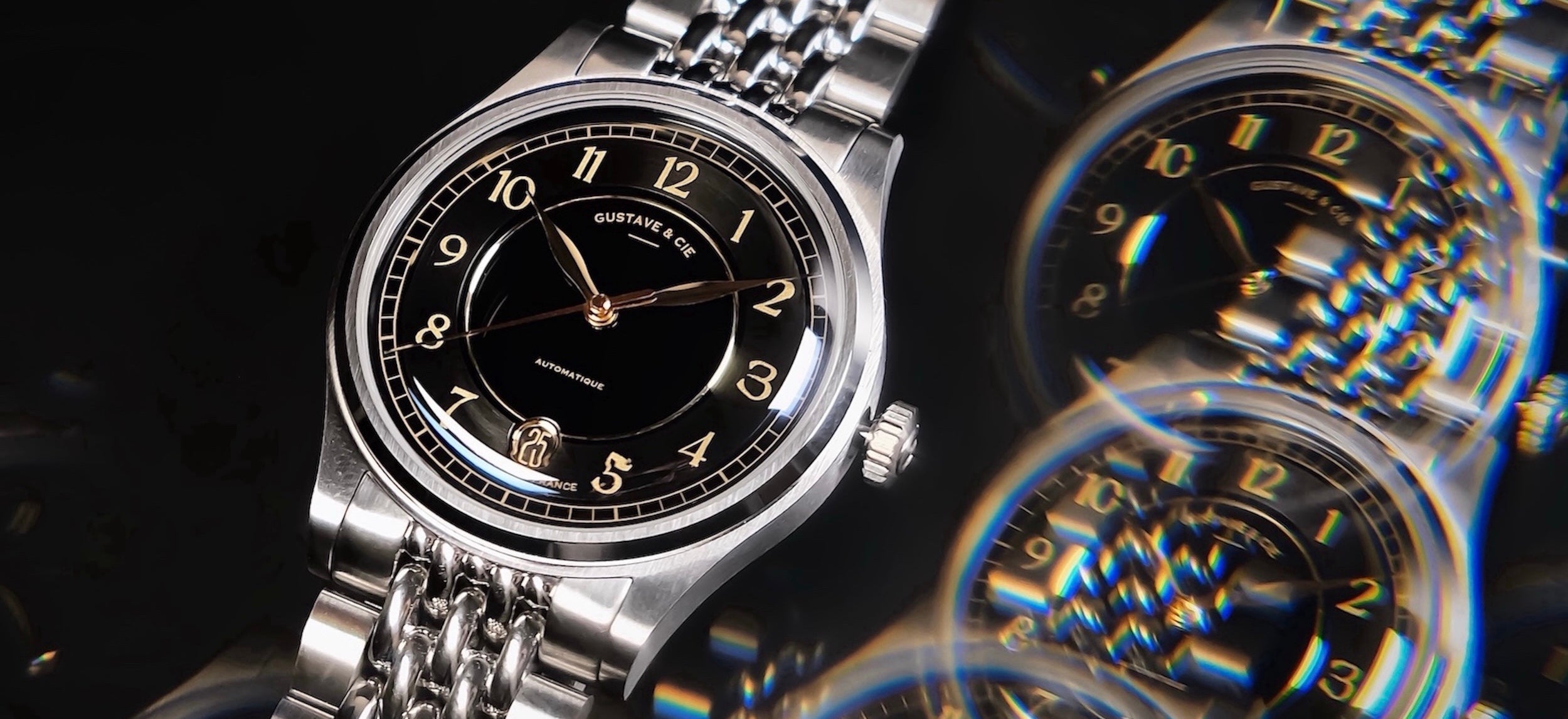
Brands like Gustave & Cie are fully aligned with this dynamic. By offering watches conceived and designed in France, then carefully assembled by local artisans, they prove that it is possible to offer elegant and reliable timepieces while supporting the national economy and expertise. Independent French watchmaking is no longer mere nostalgia; it is an industry of the future.
 City of Besançon
Source: frenchwanderers
The power of community: the era of co-creation
The digital revolution has been the primary catalyst for independent watchmaking. Before the era of social media, it was practically impossible for a creator to showcase their work without going through an expensive network of retailers. Today, a "Direct-to-Consumer" model allows them to offer an often unbeatable price-quality ratio.
But the true revolution lies in co-creation. The client is no longer a passive buyer at the end of the distribution chain. Independent brands involve them from the very genesis of the project. Choosing the case diameter, selecting dial colours, or even the design of the hands: the community is consulted via online surveys or specialised forums.
Acquiring a watch born of independent watchmaking means participating in a human adventure. It means interacting directly with the founders and seeing one's own feedback come to life in the shape of a prototype. This direct link forges unwavering loyalty and transforms simple clients into true ambassadors.
Independence as a safe haven for collectors
It is fascinating to observe the evolution of mindsets among discerning collectors. While the flagship models of the great crowns continue to structure the market, an increasingly large fringe of aficionados is now turning with passion towards independent watchmaking.
At prestigious Geneva auctions, pieces by independent masters regularly create surprises. The Grand Prix d'Horlogerie de Genève (GPHG) crowns more and more of these free creators every year, proving that technical and aesthetic excellence is no longer the monopoly of historic giants.
Independence guarantees a natural rarity due to intrinsically lower production volumes. But above all, each timepiece carries within it the soul, the risks, and the vision of its creator, far from standardised specifications.
Conclusion
Independent watchmaking is no longer an emerging trend; today, it is a major force that has breathed a new momentum of creativity and passion into the entire sector. By placing boldness, transparency, and co-creation at the heart of their approach, these houses are writing the new history of time.
Whether through ultra-high-end creations or the dynamism of French brands assembling locally, this new era proves that a watch's true wealth lies in its extra touch of soul. In an age where conformity is omnipresent, wearing an independent watch ultimately means choosing a narrative over a logo, and displaying an idea rather than a status.
DISCOVER OUR COLLECTIONS ASSEMBLED IN FRANCE
Leave a comment
This site is protected by hCaptcha and the hCaptcha Privacy Policy and Terms of Service apply.