


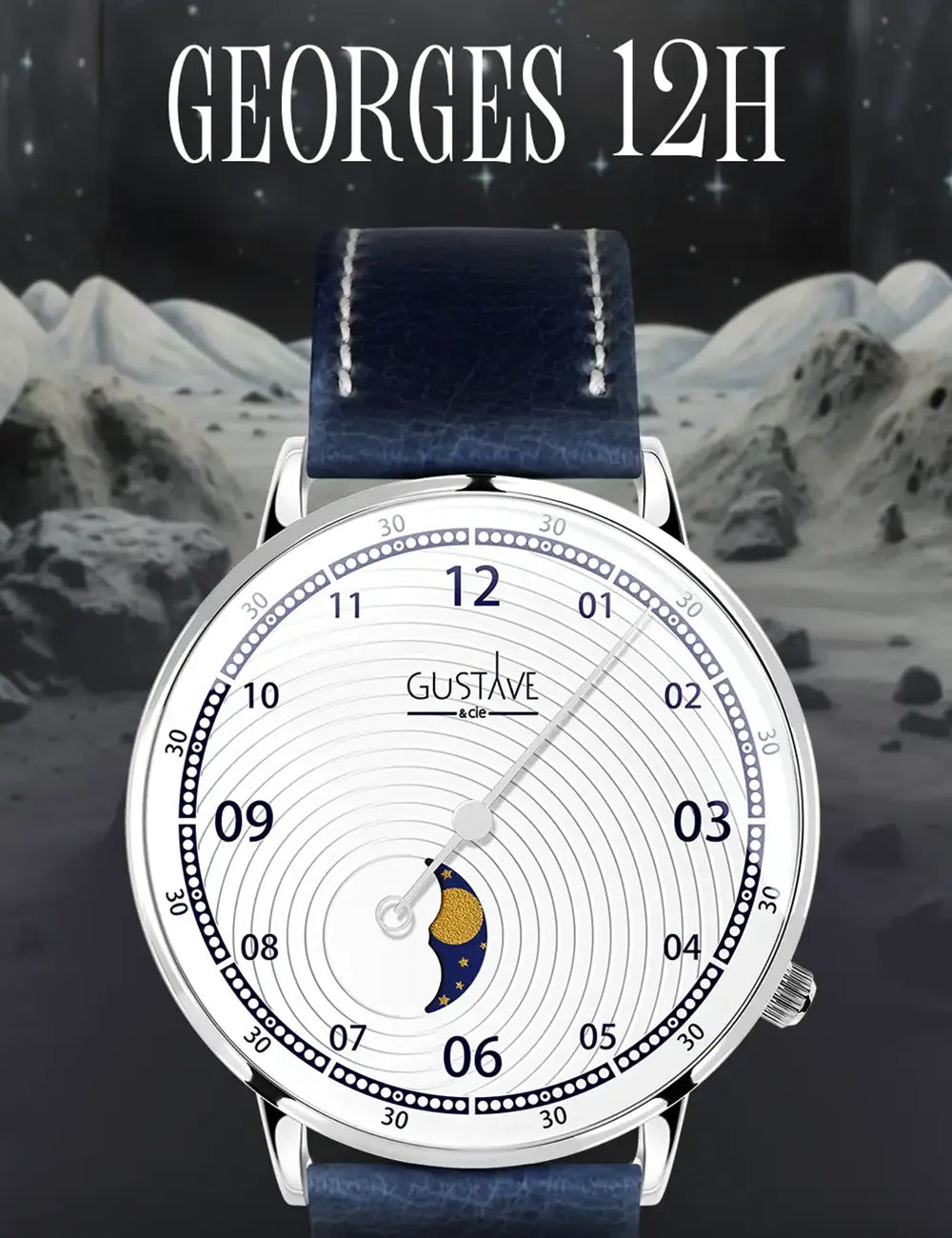
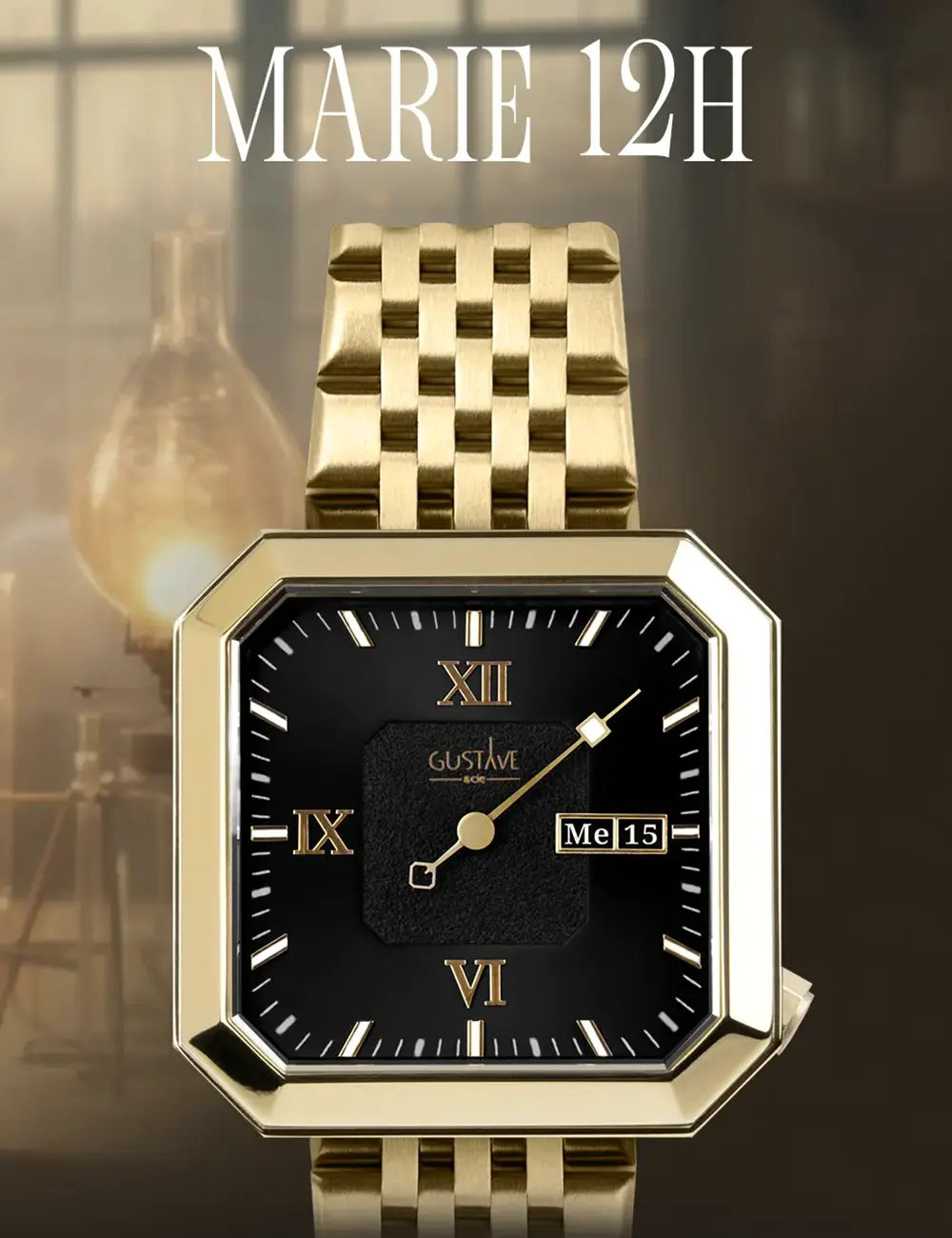
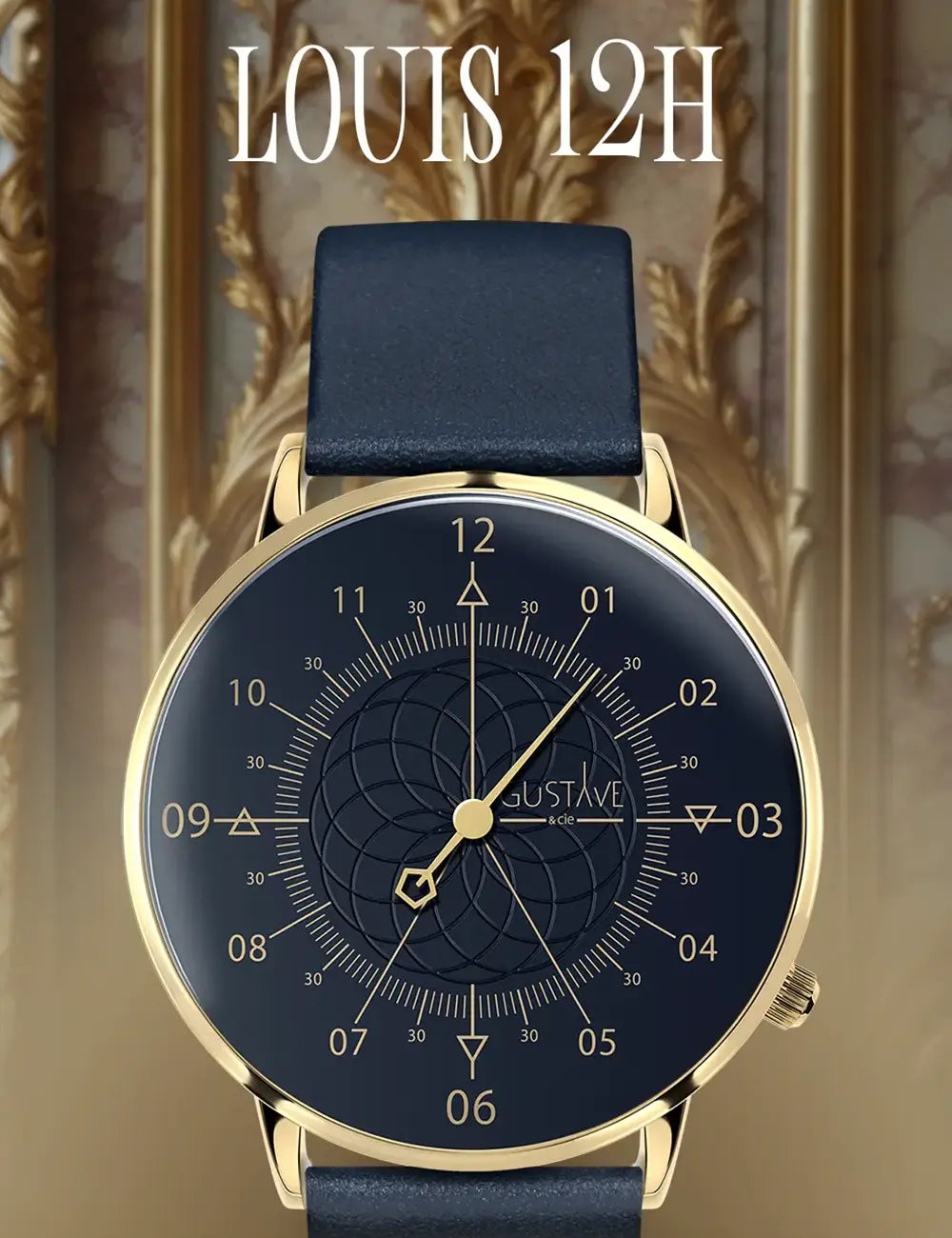
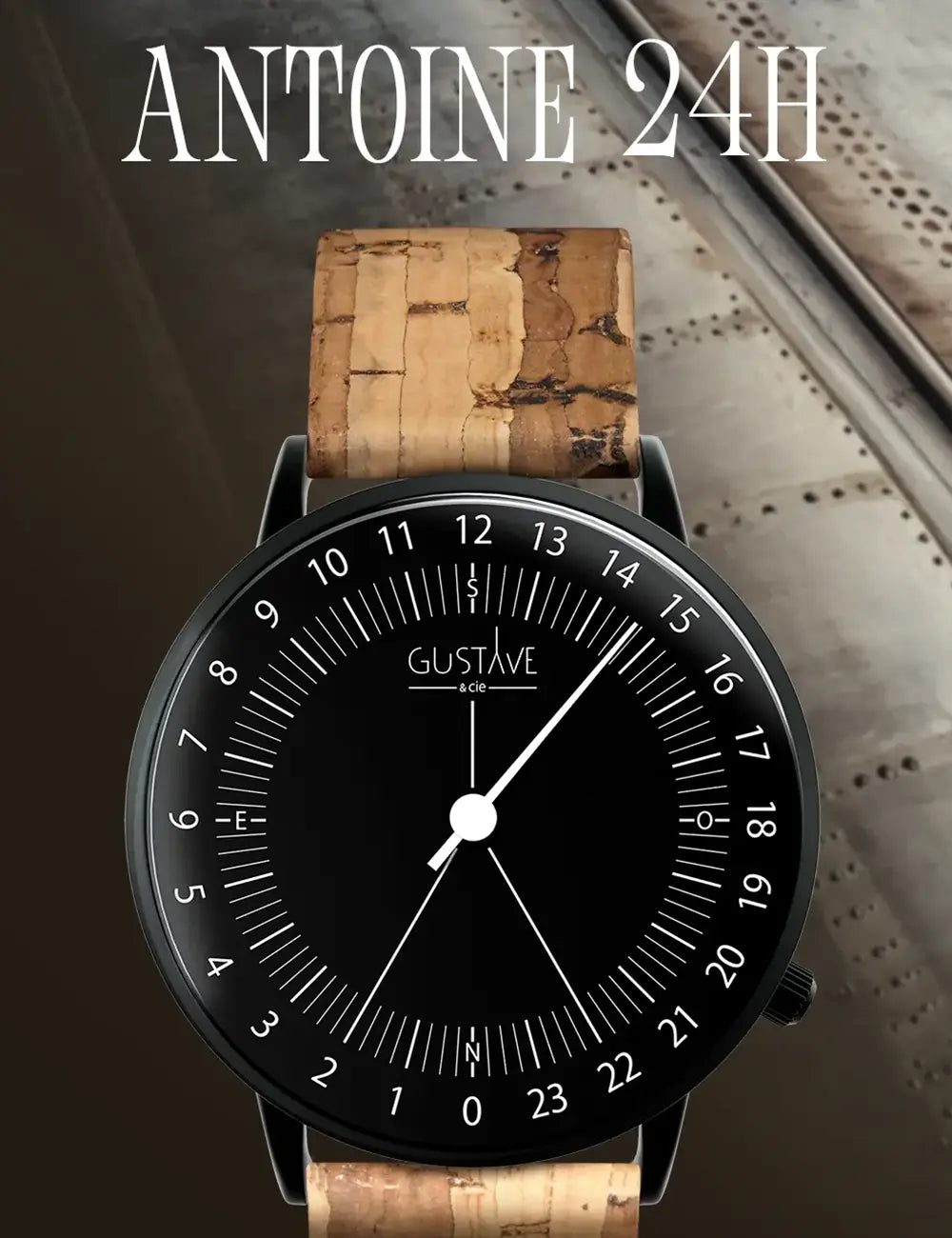
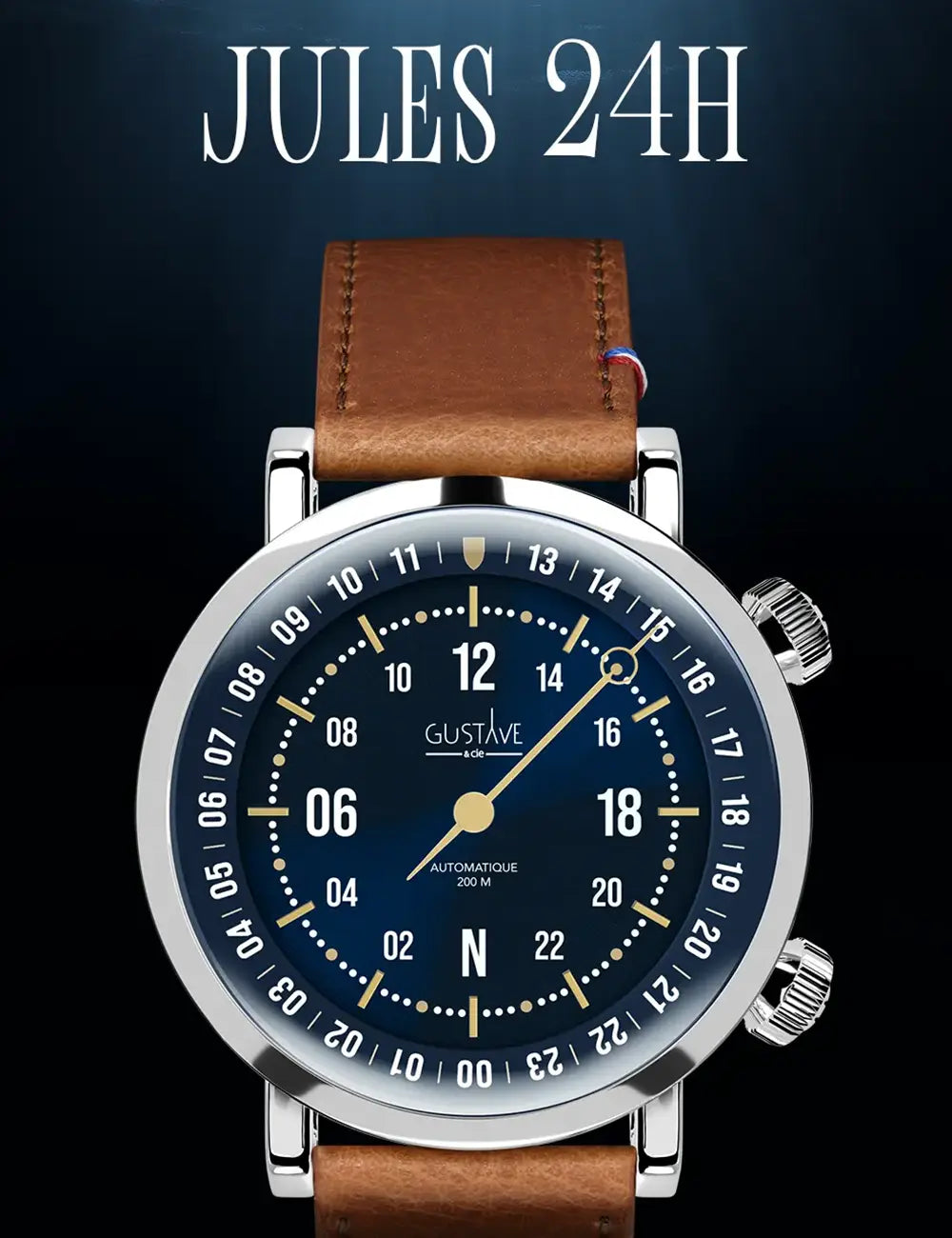

The Watch Crown: Small Part, Big Watchmaking Power!
Discreet but Essential: The Watch Crown Often Takes a Backseat in Horology. Yet this small protrusion on the case edge plays a crucial role in a watch’s proper functioning. Winding, setting the time, adjusting the date or complications… without it, interacting with the movement is impossible.
Introduced in the 19th century with the first manual-wind watches, the crown has evolved over time, taking on a variety of shapes, finishes, and mechanisms. Today, it embodies functionality, ergonomics, and style, even becoming a signature element in certain collections.
Let’s dive into the history and secrets of this often-underestimated key component.
An Invention That Transformed Watchmaking
Before the crown, pocket watches required a separate key for winding and setting. Louis-Frédéric Perrelet, followed by Louis Audemars and Antoine-Louis Breguet, popularized the first winding systems in the early 19th century. However, it was with the industrialization of wristwatches in the 20th century that the crown became ubiquitous.
A Range of Functions at Your Fingertips
The crown is far more than a simple button. Mounted on a stem connected to the movement, it allows several manual operations:
-
Manual Winding: Turning the crown recharges the watch’s mechanical energy.
-
Time Setting: Pulling the crown one or two positions adjusts the hands.
-
Date or Complication Adjustment: On watches with a calendar, chronograph, or moon phase, the crown activates different functions.
-
Hacking/Stop-Seconds: On some watches, pulling the crown stops the seconds hand for precise time-setting.
Depending on the model, the crown can be screwed down to ensure water resistance—especially on dive watches—or remain free for quick manipulation.
Shapes That Speak Volumes
Beyond its function, the crown is also a design detail in its own right. Its shape, texture, finish, and integration with the case can dramatically change the look of a watch.
-
Onion Crown: Very rounded, it evokes vintage pocket watches. Easy to handle, it is often associated with pilot watches.
-
Flat or Fluted Crown: More discreet, it follows the contour of the case for a refined aesthetic. Fluting provides a better grip.
-
Screw-Down Crown: Typically equipped with a waterproof seal, it is designed to resist water, sand, and pressure.
-
Integrated Crown: Fused into the case, it enhances the purity of the design.
Some crowns are even adorned with a cabochon stone, lacquer, or engraved with the brand logo to reinforce visual identity.
Ergonomic and Mechanical Importance
Though tiny, the crown endures a lot. It must withstand frequent handling, sweat, shocks, and dust—making high-quality machining and durable materials (stainless steel, titanium, gold, etc.) essential.
It also influences the user experience: a good crown should be easy to grip, smooth to turn, and provide precise clicks when pulled or screwed. When screwed down, it must ensure the overall water resistance of the watch.
At Gustave & Cie: Elegance Down to the Details
At Gustave & Cie, every detail matters. Our watches are designed to embody a minimalist vision of time, and the crown is no exception.
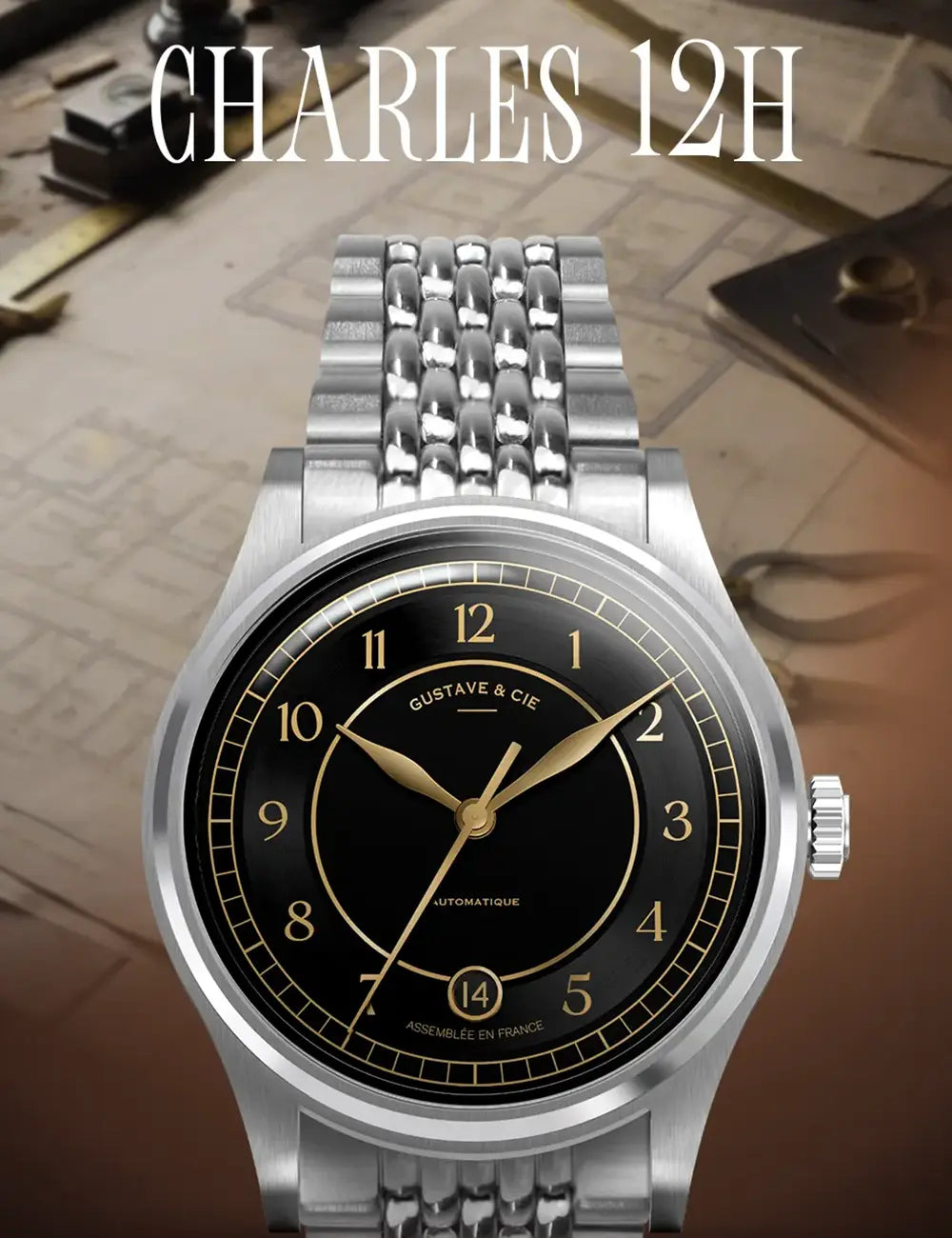
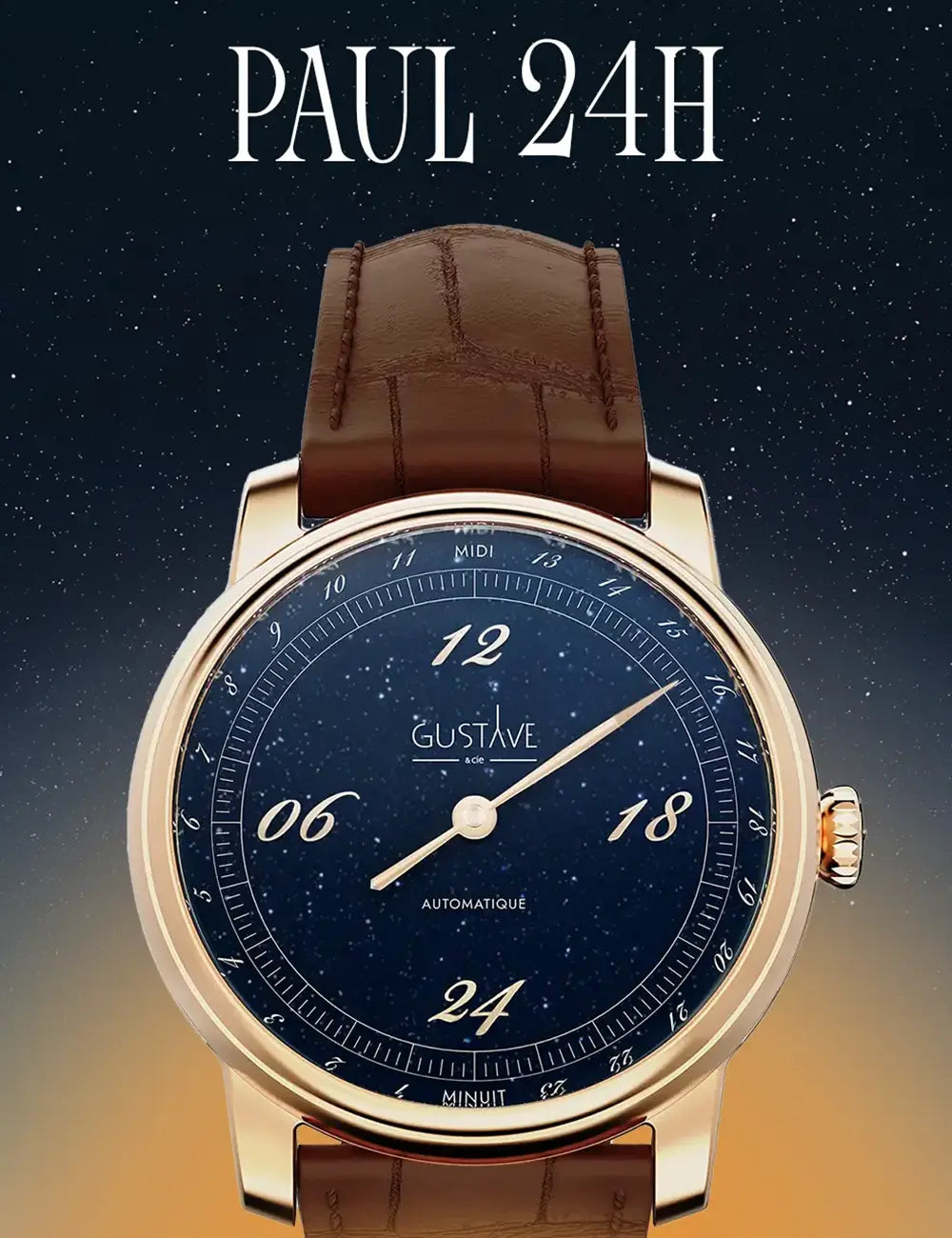
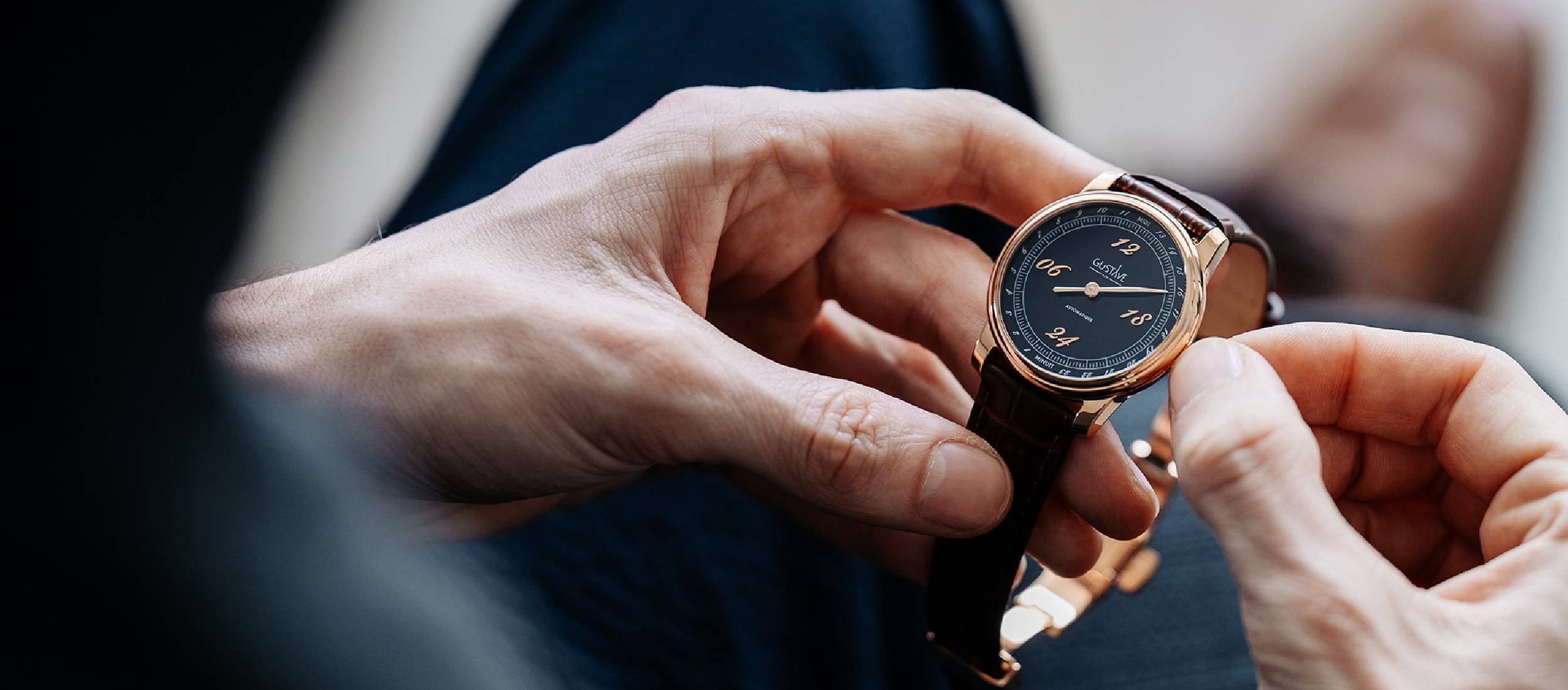
On our Charles collection, it complements the case with finesse while ensuring smooth handling. On our Paul model, the crown takes a discreet, ergonomic form, designed for daily use while respecting the codes of a sober, poetic design.
In all cases, it is made of stainless steel for optimal durability, offering a comfortable and intuitive grip.
Conclusion: A Small Detail That Changes Everything
Invisible to some, essential to others, the crown perfectly embodies the spirit of watchmaking: a subtle balance of technique and aesthetics. Whether classic or bold, screw-down or free, it meets the wearer’s needs while expressing the designer’s intent.
By giving this often-overlooked element the attention it deserves, Gustave & Cie once again celebrates elegance in simplicity, proving that sometimes, the smallest detail makes all the difference.
Leave a comment
This site is protected by hCaptcha and the hCaptcha Privacy Policy and Terms of Service apply.