


Iconic Watch Hands: Small Detail, Big Style
Discover the history and aesthetics of watch hands. From Dauphine to the poetic single hand, explore how these components define the soul of a timepiece.
While we often discuss the case, the dial, or the movement, it is frequently the hands that bestow a watch with its true character. Slender, intricate, or minimalist, they have transcended eras, with some becoming legendary symbols in the history of horology.
As a symbol of style as much as functionality, the watch hand is a signature. It embodies the DNA of a brand, an era, and a specific craftsmanship. Let us focus on the most iconic hands and the stories they tell about our relationship with time.
Classic Hands: The Timeless Icons of Style
Dauphine Hands
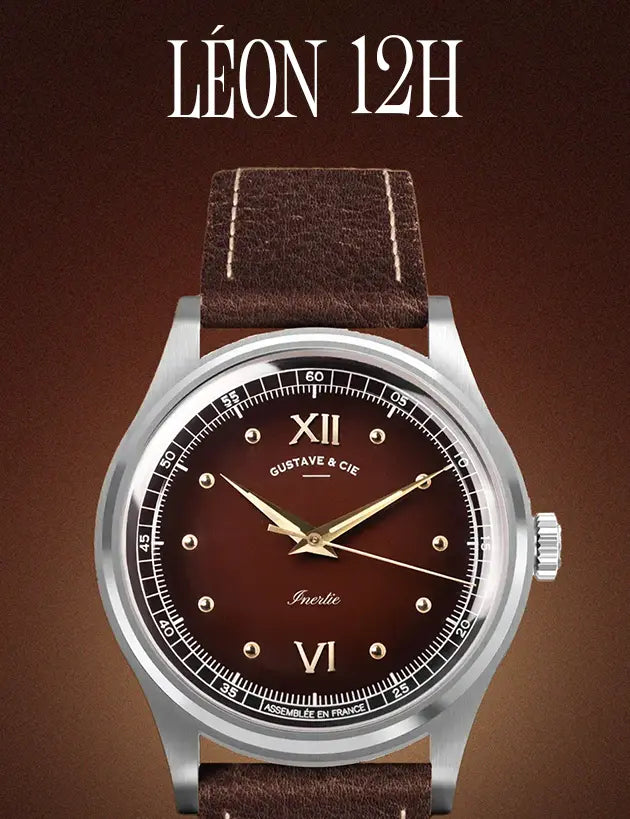
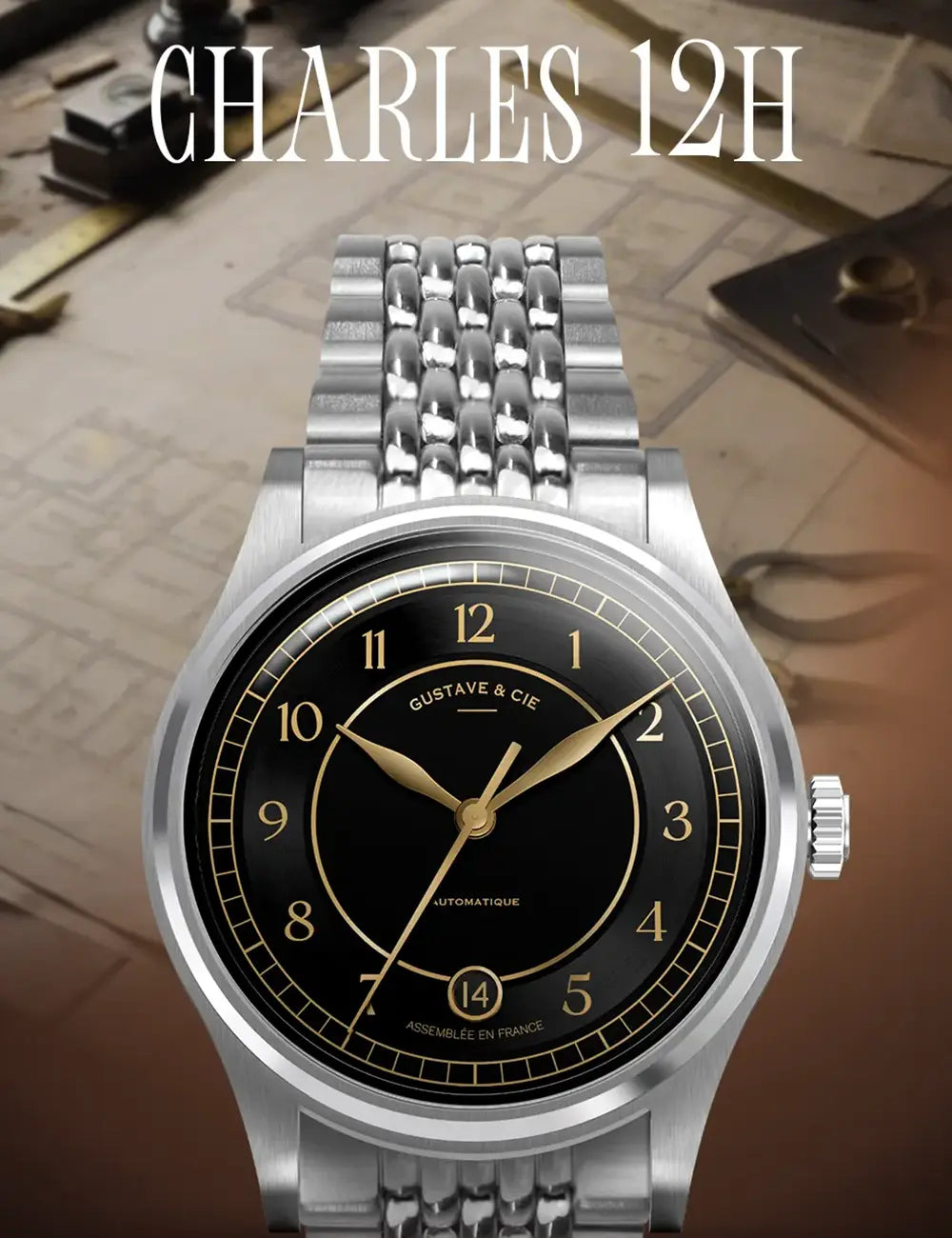
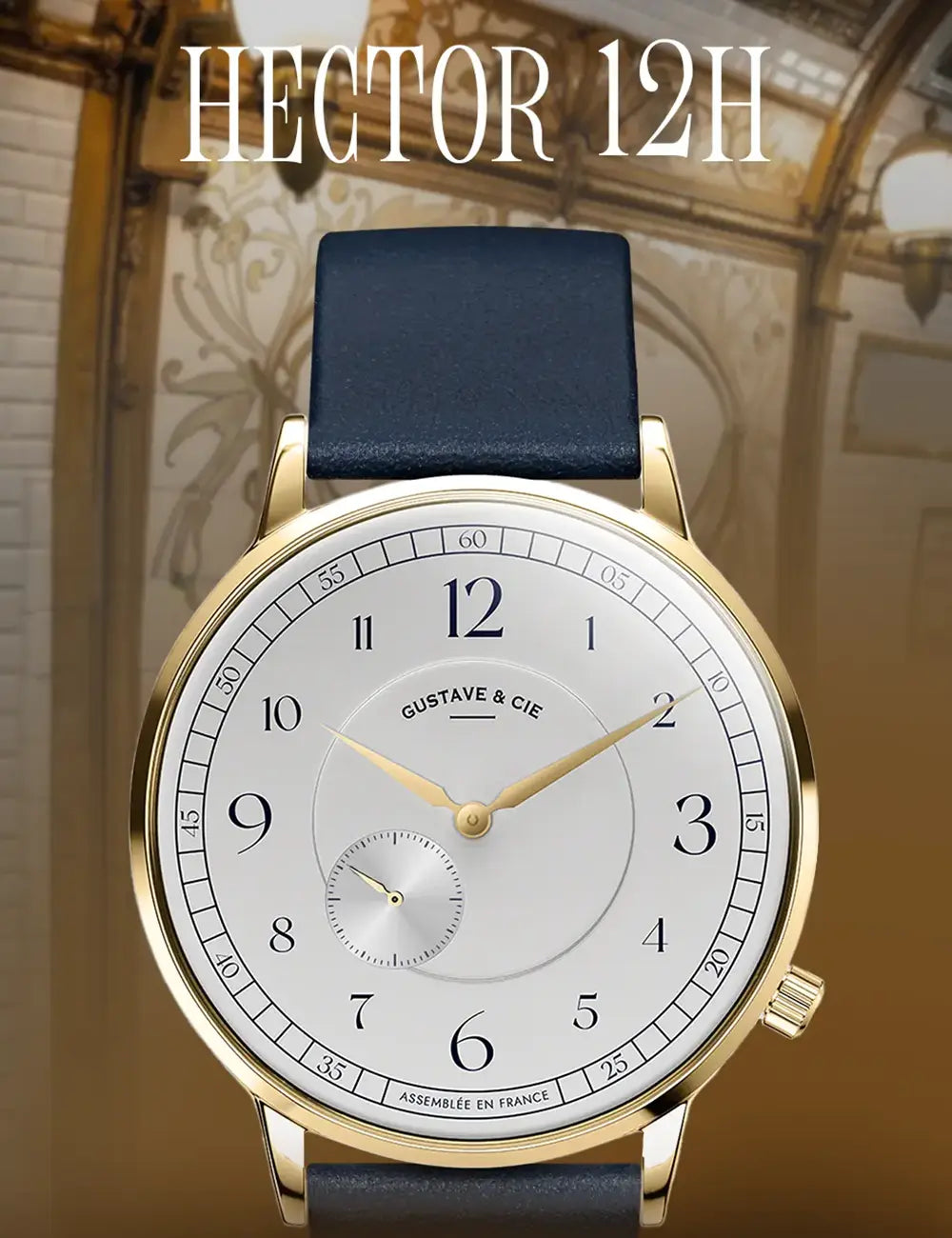
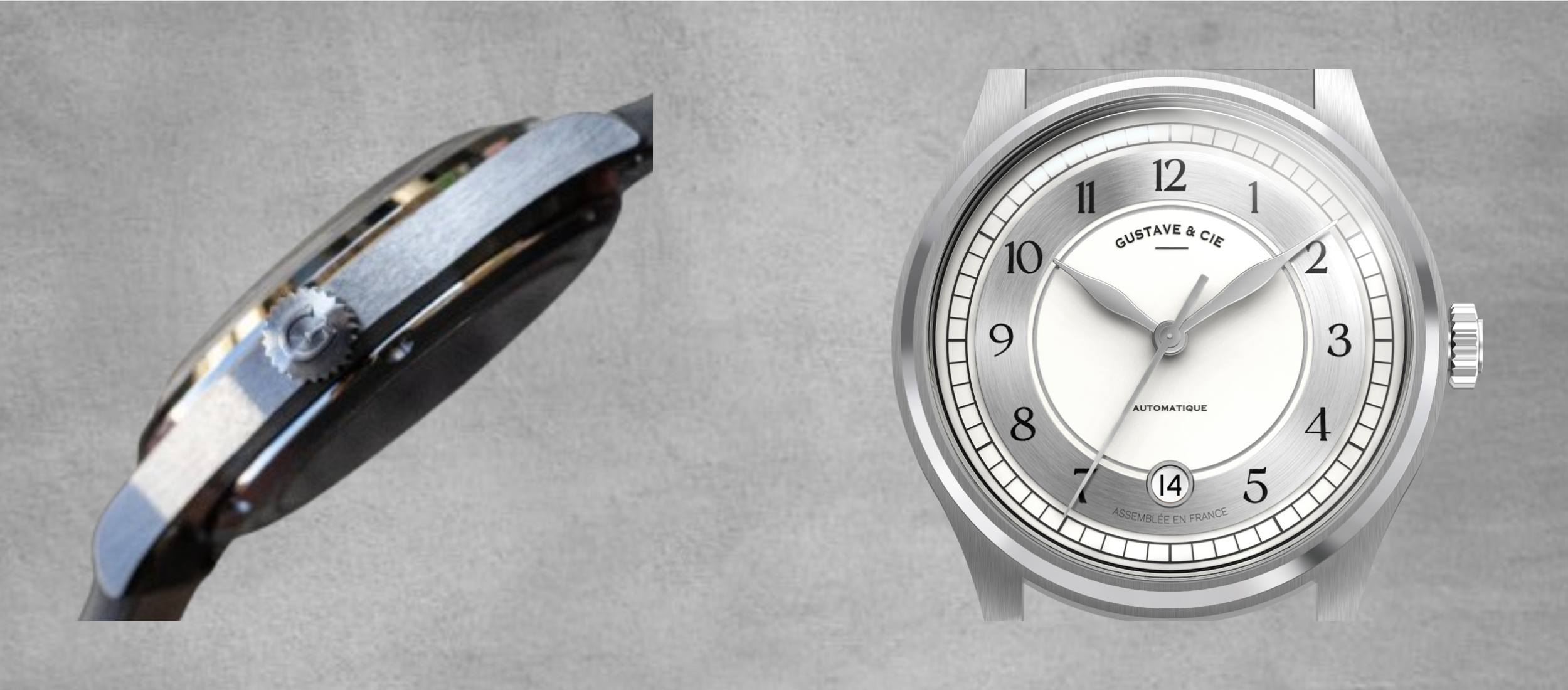
Recognisable by their triangular and faceted shape, Dauphine hands left a significant mark on 1950s watchmaking. Elegant and refined, they catch the light beautifully, providing a profound sense of depth to the dial. They are predominantly found on dress watches and classic timepieces, where they shine through their sophisticated discretion.

Baton Hands
Sleek and modern, baton hands are defined by their directness. Whether exceptionally thin or slightly thicker depending on the model, they integrate perfectly into minimalist designs. They are often associated with "Bauhaus" style watches for their legibility and formal purity.

Leaf Hands
Soft, rounded, and slightly curved, leaf hands bring a certain visual sensuality to a timepiece. They are frequently seen in vintage models or those inspired by classic French horology, offering a delicate touch to the overall aesthetic.

Hands with Character: Between Heritage and Originality
Alpha Hands
Less common to the general public, alpha hands are curved and tapered. They combine elegance with a certain tension in their lines, suiting watches that seek to stand out without venturing into excess.

Mercedes Hands
Made famous by iconic divers’ watches, Mercedes hands feature a tripartite circle at the tip. More than just a stylistic flourish, this design allows for a larger application of luminescent material, ensuring optimal legibility in low-light conditions.

Sword Hands
Named for their shape reminiscent of a short sword, these hands reinforce a military, robust, and precise aesthetic. They are typically found on sturdy or neo-retro models where strength of design is paramount.

Cathedral Hands
At the crossroads of Gothic and Art Deco styles, cathedral hands are divided into segments reminiscent of stained-glass windows. They imbue a watch with immense personality, particularly on pilot watches or pieces with heritage-inspired designs.

Technical Hands: For the Connoisseurs of Function
Skeleton Hands
Open-worked or cut out, skeleton hands reveal the dial or the complications beneath them. They are often utilised in open-heart models or contemporary horology where design aligns with transparency and mechanical display.

Serpentine Hands
Original and sinuous, serpentine hands move across the dial in a non-linear fashion. They are often observed on watches with specific displays, such as retrograde calendars, adding a touch of whimsy and technical sophistication.

Gustave & Cie: The Hand as Poetry
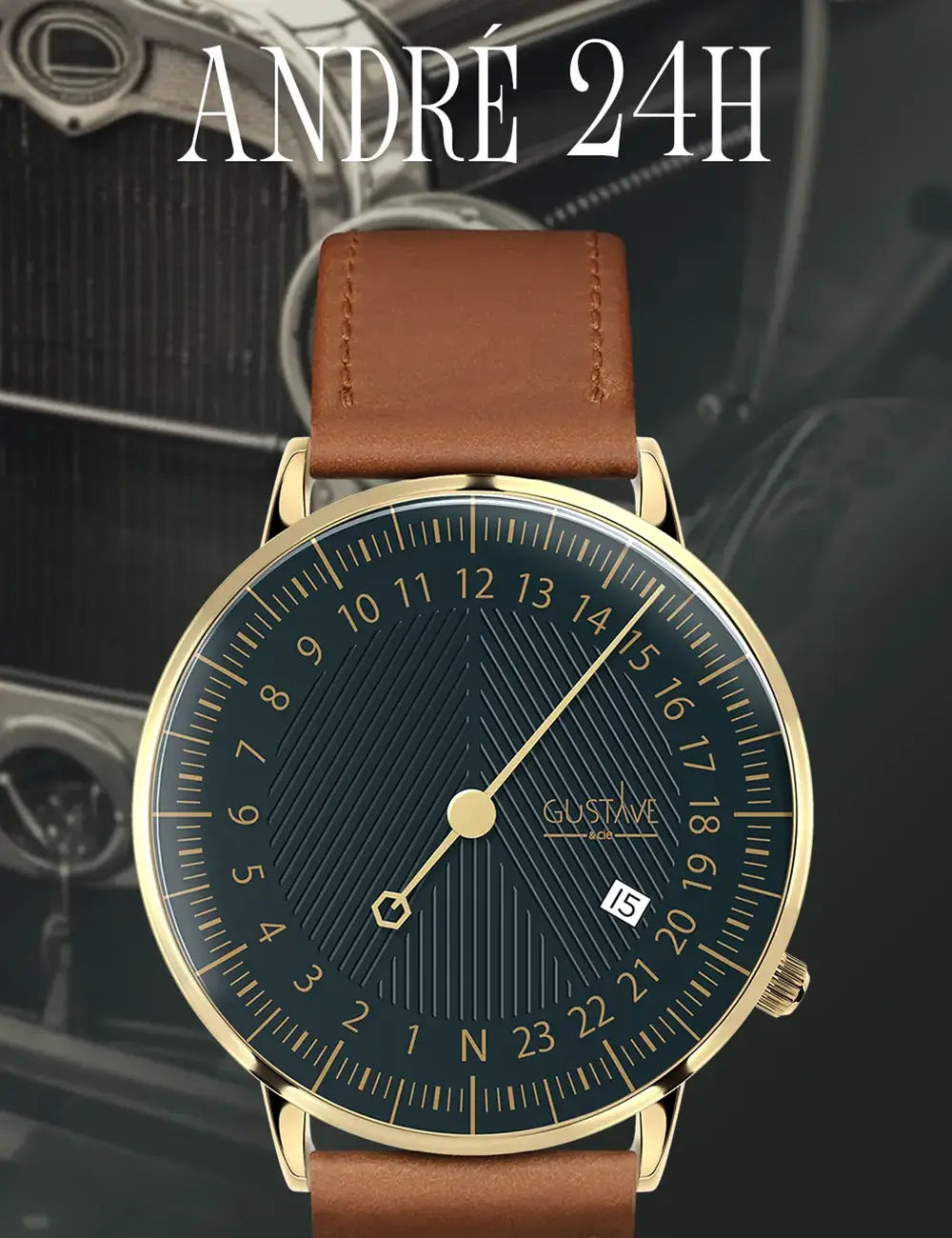
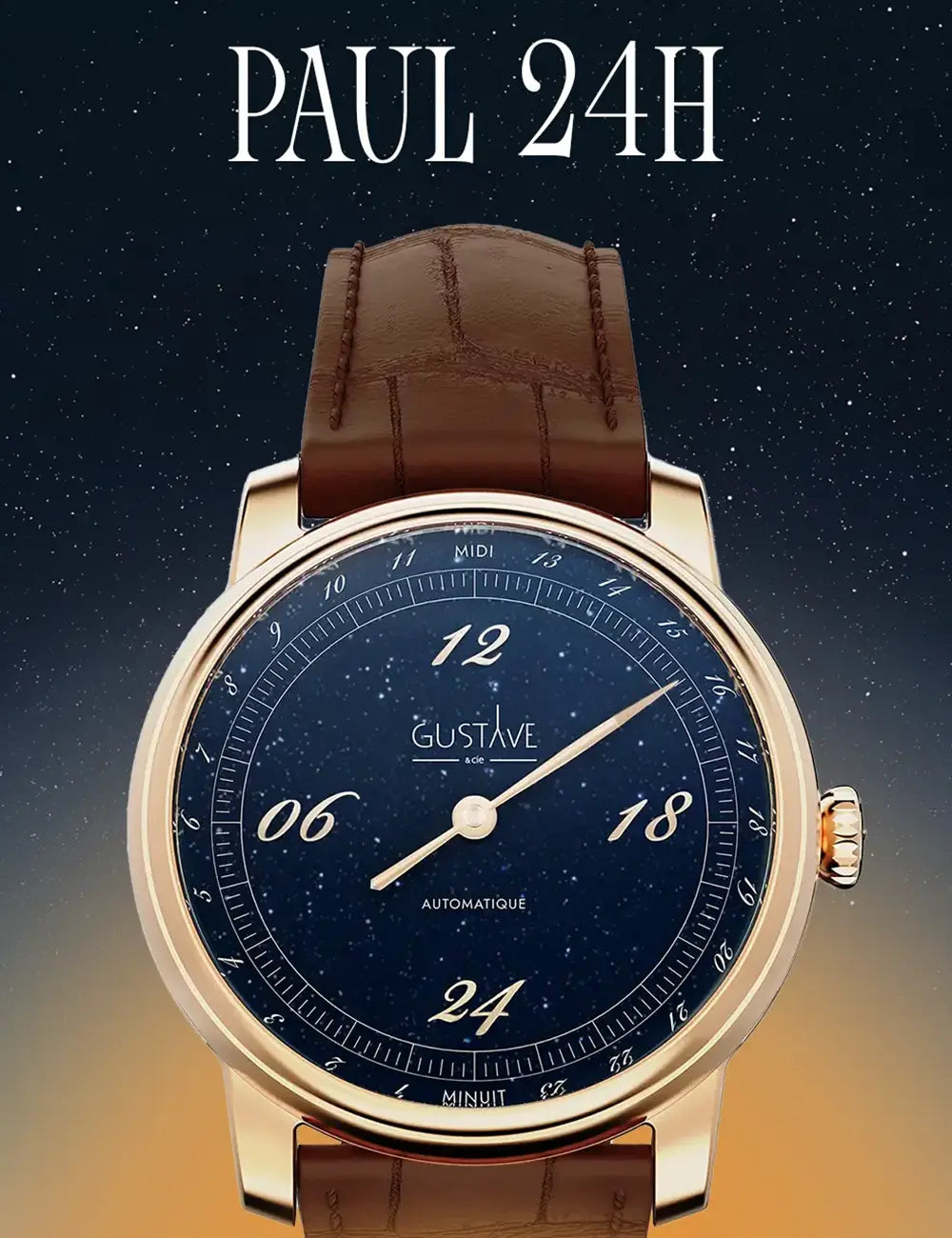
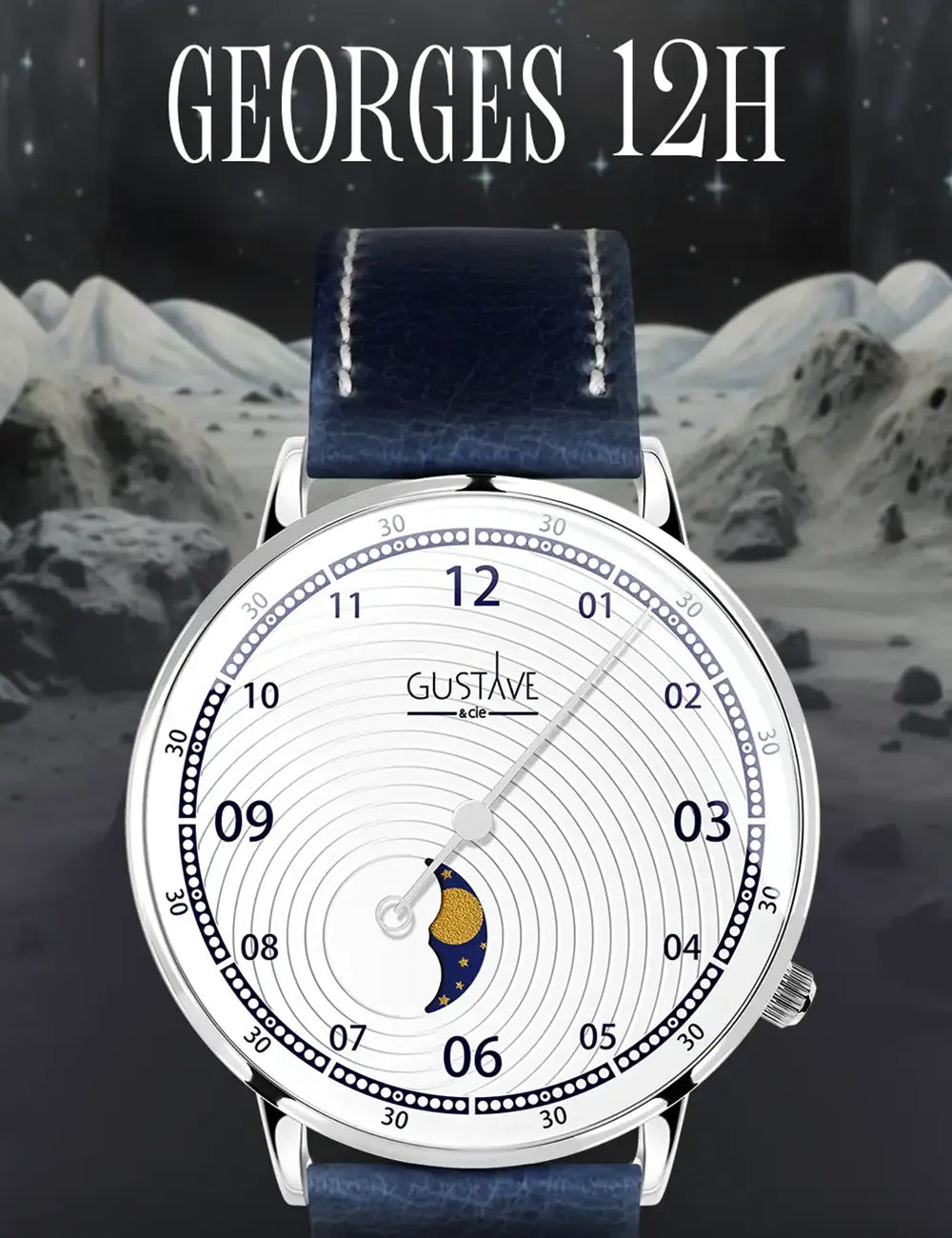
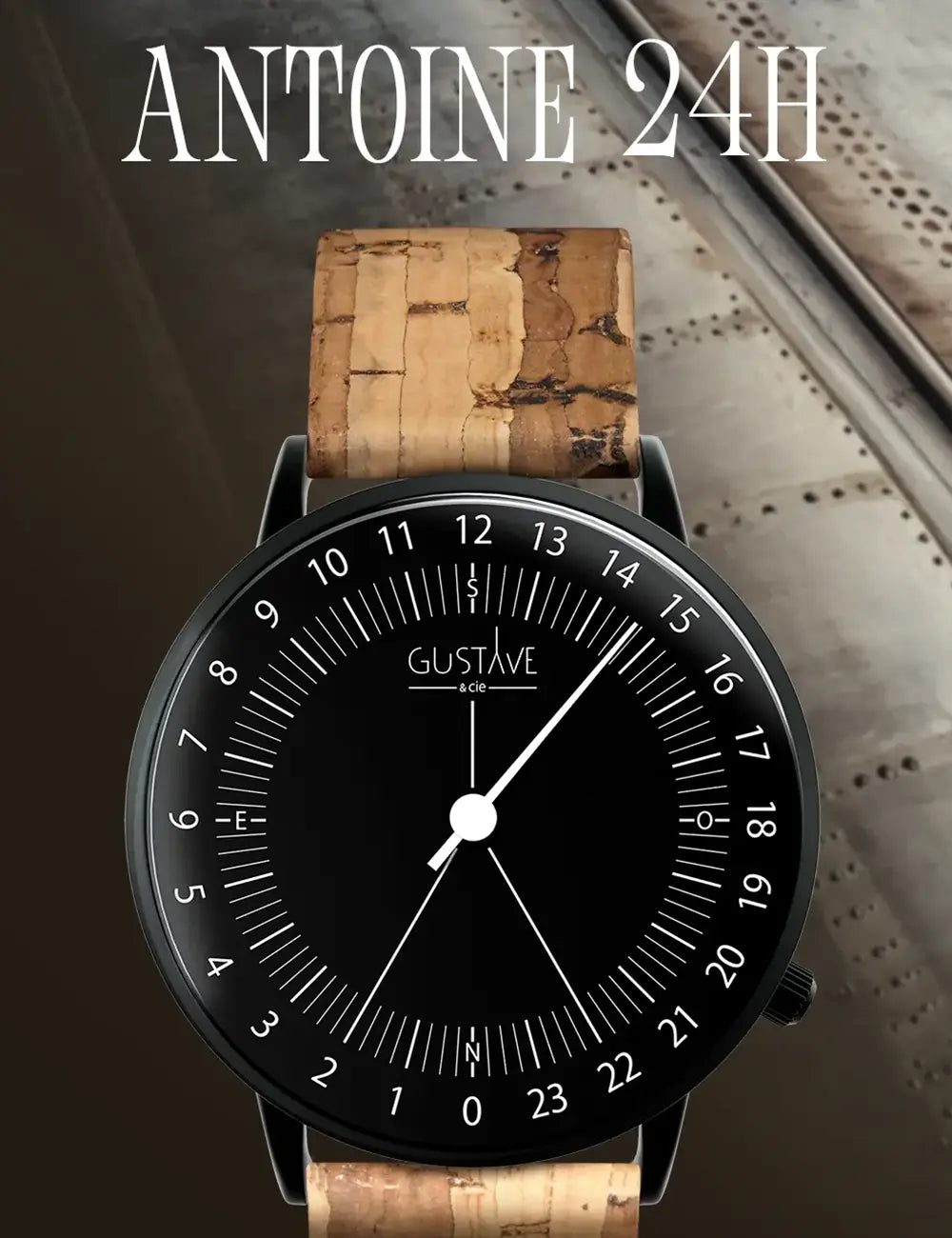
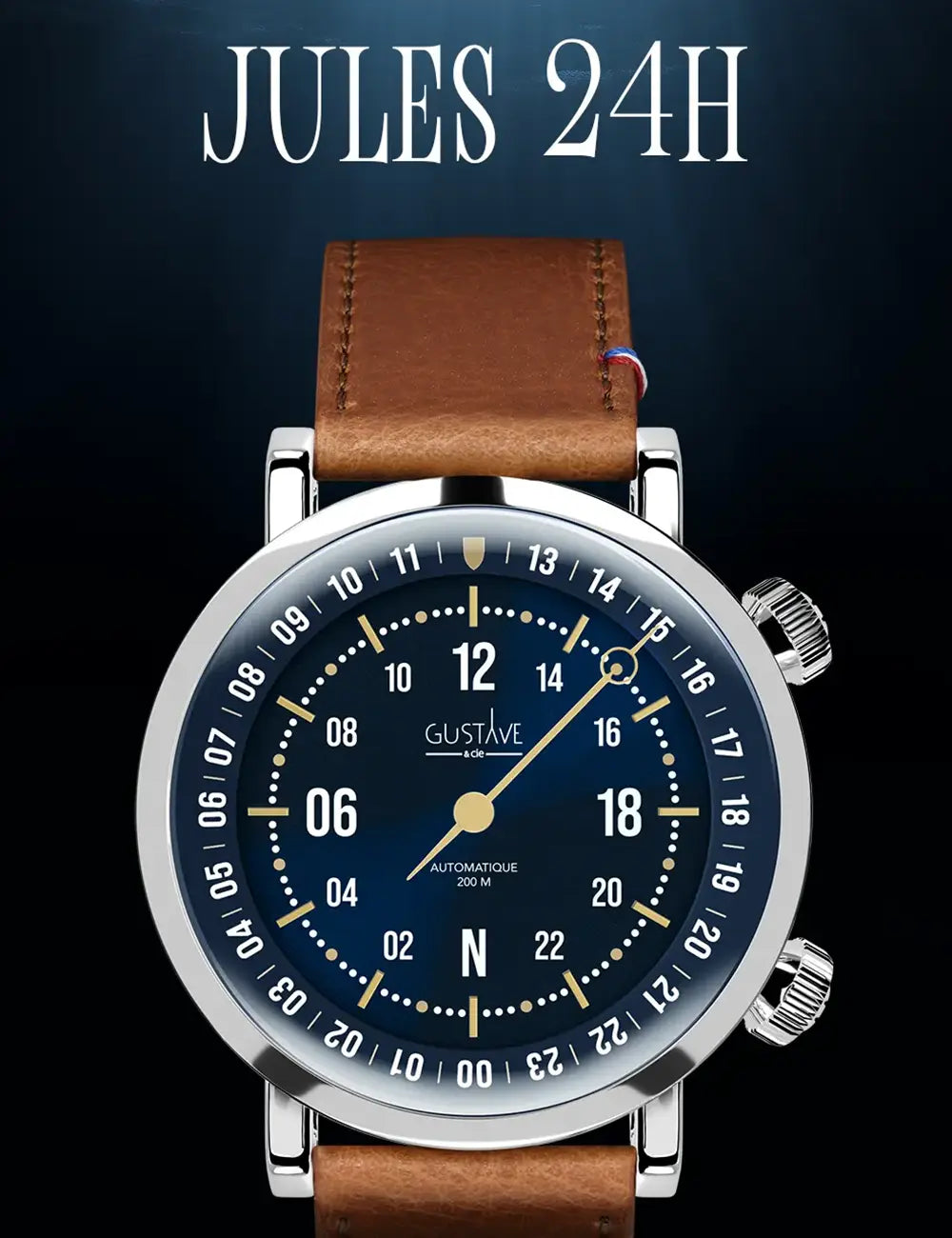
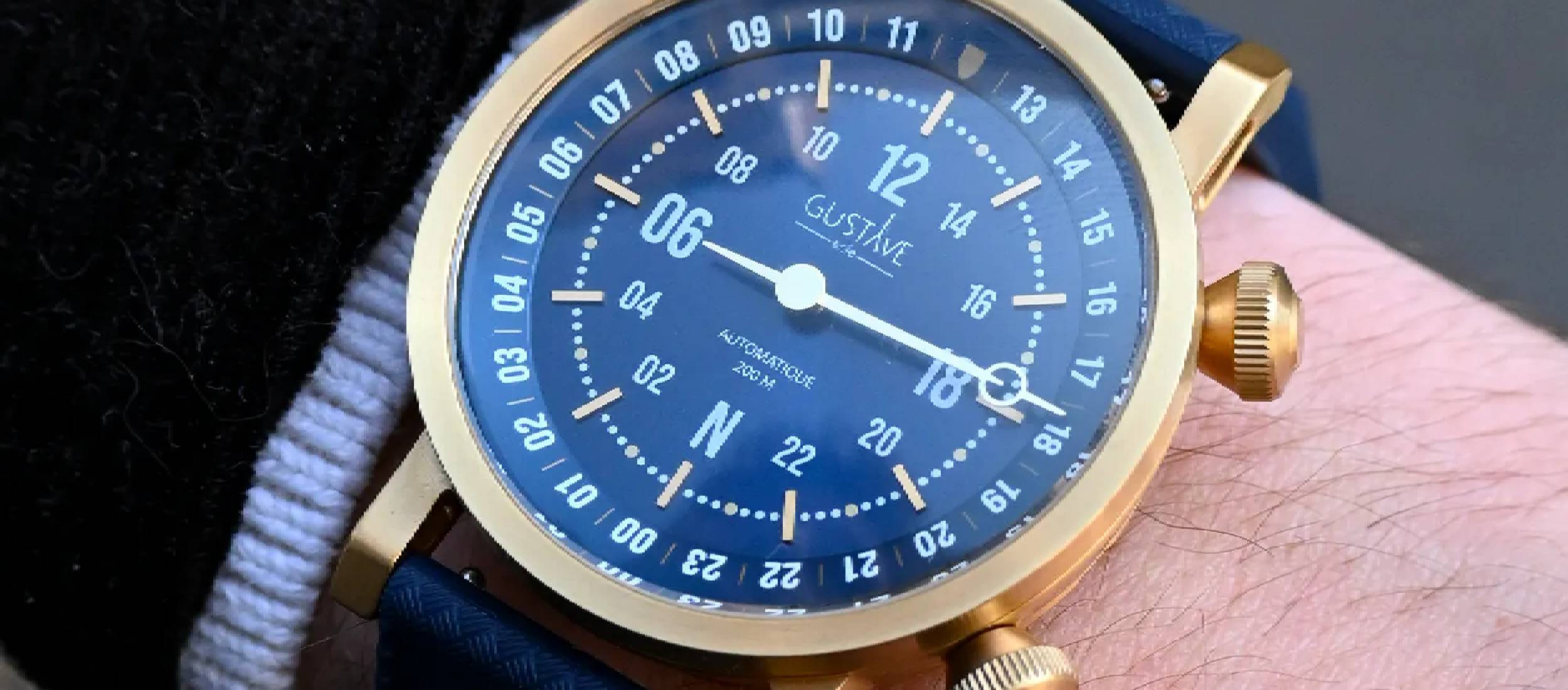
Because we pay particular attention to the smallest details, we designed our Paul mono-hand collection as a tribute to the finesse of French writing and poetry. Inspired by the quill or a fountain pen nib, the single hand evokes the verses of a poet. More than a simple marker of time, this hand embodies our vision of "Slow Time": subjective, deliberate, and contemplative.

Our horological approach advocates for a peaceful reading of time, moving against the tide of daily frenzy. Every design element, from the 24-hour dial to the unique silhouette of the hand, is conceived according to this philosophy.
Conclusion: One Watch, a Thousand Ways to Read Time
Whether one prefers traditional hands or more audacious designs, every shape tells a story. This is what makes watchmaking so vibrant and captivating: the seamless blend of technique and emotion, of mechanics and style.
The diversity of these components celebrates the marriage of engineering and art. Each hand is chosen, drawn, and meticulously thought out to offer a unique experience to the wearer, turning the simple act of checking the time into a moment of aesthetic appreciation.
Leave a comment
This site is protected by hCaptcha and the hCaptcha Privacy Policy and Terms of Service apply.