



Besançon: the historic capital of French watchmaking
There are cities whose destiny is inseparable from a craft. While Switzerland shines on the international stage with its prestigious manufactures, France also possesses a jewel in the heart of the Jura Mountains. Nestled in a meander of the Doubs river, the city of Besançon has been beating to the rhythm of balance wheels for over two centuries. It is here, in the shadow of the Vauban citadel, that the essence of French horological know-how was forged, shaping not only the local economy but also the history of timekeeping.
Understanding how this Franche-Comté city became the historic capital of French watchmaking requires turning back time. It is an epic marked by political upheavals, vertiginous quests for precision, and remarkable resilience in the face of industrial crises. Far from being a mere chapter of the past, this heritage continues to irrigate local culture and is the pride of an entire nation.
If you wear a French watch today, there is a strong chance its history begins, in one way or another, in Besançon.
In this article, we invite you to explore the historic streets of this metropolis of time. From the workshops of nineteenth-century établisseurs to the hushed corridors of the Observatory, discover why Besançon remains, even today, the undisputed sanctuary of fine mechanical horology in France.
Discover Besançon and its horological heritage on the Tourist Office website.
The Origins: The arrival of Laurent Mégevand and Swiss know-how
The horological history of Besançon was not written by chance; it is the fruit of exile and strong political will. At the end of the eighteenth century, the city did not yet possess a significant watchmaking tradition. The real turning point occurred in 1793, in the midst of the French revolutionary period. Laurent Mégevand, a Genevan watchmaker exiled for political reasons, found refuge in the Comtoise capital. He did not arrive alone: he was accompanied by several dozen Swiss colleagues, all masters in the art of precision mechanics.
The French National Convention, anxious to develop an industry capable of competing with neighbouring Switzerland, ardently supported this initiative. Mégevand thus established the first large-scale watchmaking manufacture in Besançon. He introduced the établissage system to the region. This production method relied on a multitude of artisans working from home, each highly specialised in crafting a specific watch component, before the final assembly was carried out by the case fitter.
Although Mégevand's enterprise eventually went bankrupt a few years later, the seed was planted. The Swiss workers decided to settle permanently, training the local population in their techniques. In the space of a few decades, Besançon became a true pool of talent, laying the solid foundations for what would become the historic capital of French watchmaking.
The Golden Age: Industrial boom and French dominance
The nineteenth century marked the undisputed golden age of watchmaking in Besançon. The city metamorphosed to the rhythm of the workshops blossoming in the Battant and La Boucle districts. In 1862, to structure and perpetuate this excellence, the city founded the Besançon School of Horology. This institution quickly became a European benchmark, training generations of artisans, regulators, and designers who would bring French know-how to its zenith.
At the dawn of the twentieth century, Besançon was producing almost all French watches. Craftsmanship gradually gave way to controlled industrialisation. Illustrious names emerged and left their mark on history, such as the LIP manufacture, founded by Emmanuel Lipmann, which would become a veritable industrial empire and a symbol of the social struggles of the 1970s. The watch was no longer merely a luxury item reserved for an elite; it became democratised thanks to the efficiency of the Comtoise production lines.
This period of prosperity shaped the very architecture of the city. Buildings were equipped with large bay windows to provide watchmakers with the best possible natural light. Besançon breathed to the rhythm of clicking escapements, proudly affirming its status as a European centre of excellence against the giants of Geneva and Neuchâtel.
The Demand for Precision: The Observatory and the Viper's Head Hallmark
To establish its legitimacy on the international stage, the historic capital of French watchmaking had to guarantee the absolute precision of its timepieces. It was with this in mind that the Besançon Observatory was inaugurated in 1884. Modelled on its Swiss and British counterparts, its primary mission was to provide the exact time to the city and, above all, to certify the chronometry of the watches entrusted to it.
The Observatory organised adjustment competitions of extreme severity. The watch movements were subjected to extreme temperature variations and tested in multiple positions for several weeks. The pieces that passed these rigorous tests received an exceptionally rare and prestigious certification: the Viper's Head hallmark (Poinçon à la Vipère). An emblem of absolute excellence, this viper's head stamped on the movement attested that the watch was a top-tier chronometer.
Even today, the Besançon Observatory is one of the few establishments in the world, alongside Geneva, authorised to issue rating certificates and certify chronometers. This maintenance of scientific and technical rigour perfectly illustrates the soul of the city: a perpetual quest for exactitude.
Black and white illustration of the Viper's Head hallmark, the historical emblem of French watch quality control. Caption: Representation of the Viper's Head hallmark, a symbol of official French watch control closely linked to the horological history of Besançon.
Learn more about the Viper's Head hallmark and its role in French watchmaking.
Source: Chronotempus - Le poinçon vipère de Besançon : l’excellence horlogère - official image, editorial / press use
The Revival: From the Quartz Crisis to UNESCO Heritage
The history of Besançon, however, is not a long quiet river. The 1970s and 1980s marked a dark period, known as the "quartz crisis". The massive influx of Asian battery-powered watches, formidably precise and very inexpensive, devastated the traditional mechanical watchmaking industry. Many historic Besançon manufactures closed their doors, leaving an immense economic and cultural void in the region.
Yet, the historic capital of French watchmaking did not surrender. Drawing on its heritage in micromechanics, the city made an intelligent transition towards microtechnologies, biomedical engineering, and aeronautics, thereby saving its high-precision jobs. In parallel, a handful of staunch artisans continued to keep the flame of fine mechanics alive, restoring antique pieces and creating new boutique brands.
This courage and resilience were magnificently rewarded. In December 2020, the craftsmanship of mechanical watchmaking and art mechanics of the Franco-Swiss Jura Arc was inscribed on the Representative List of the Intangible Cultural Heritage of Humanity by UNESCO. This global recognition definitively placed Besançon back on the map of the high places of fine craftsmanship, proving that its heritage is very much alive.
Learn more about the inscription of watchmaking craftsmanship on the UNESCO intangible cultural heritage list.
Chronological Table: The Evolution of Watchmaking in Besançon (1793 - 2026)
|
Year / Period |
Major Historical Event |
Production Dynamics & Impact on Watchmaking |
|
1793 |
The founding spark: Arrival of the Genevan watchmaker Laurent Mégevand and 80 Swiss watchmakers, supported by the French National Convention. |
Birth of the industry: Establishment of the établissage system. Production evolved from being virtually non-existent to the creation of a structured network of local craftsmen. |
|
1862 |
The pursuit of excellence: Foundation of the Municipal School of Watchmaking in Besançon. |
Rising standards: The city’s expertise became more structured, allowing production to improve in quality and gain greater technical independence from Switzerland. |
|
1884 |
The quest for precision: Creation of the Astronomical, Chronometric and Meteorological Observatory of Besançon. |
The golden age of certification: Introduction of the prestigious Poinçon à la Vipère. Besançon established itself as France’s benchmark for precision adjustment and chronometric certification. |
|
1900–1930 |
The Industrial Golden Age: Besançon’s watchmaking industry gained international recognition (World’s Fair, expansion of major manufactures). |
Peak production: Besançon accounted for up to 90% of French watch production, manufacturing hundreds of thousands of watches each year. |
|
1973–1977 |
The Quartz Crisis: Massive influx of Asian quartz watches and high-profile labour disputes. |
Sharp decline: Traditional mechanical watch production collapsed, leading to the closure of many historic workshops and significant job losses. |
|
1980–2000 |
Resilience through technology: Strategic transition of the Besançon region towards microtechnology and biomedical engineering. |
Transformation: Mainstream watch production became marginal, but the region’s expertise in ultra-precision manufacturing was preserved and successfully applied to other high-tech industries. |
|
December 2020 |
Heritage recognition: The watchmaking and mechanical art craftsmanship of the Franco-Swiss Jura Arc was inscribed on the UNESCO Representative List of the Intangible Cultural Heritage of Humanity. |
International recognition: This global distinction highlighted the region’s watchmaking heritage and renewed interest in restoration and artisanal high-end mechanical watchmaking. |
|
2026 |
The revival of French assembly: Growing enthusiasm for Made in France products and the return of manufacturing projects to the Franche-Comté watchmaking region. |
Qualitative growth: Local assembly and watch production are experiencing renewed momentum, supported by French brands committed to regional craftsmanship and enhanced by modern manufacturing technologies. |
The Museum of Time: Guardian of an immortal heritage
To fully grasp the soul of this city, a visit to the Museum of Time (Musée du Temps) is an absolute must. Housed in the majestic Palais Granvelle, a Renaissance building located in the heart of La Boucle, this museum is the guardian of Besançon's horological memory. It offers an immersive journey through the centuries, from astronomical measurement to masterpieces of mechanical miniaturisation.
Visitors can admire exceptional collections: traditional Comtoise clocks, pocket watches with complications of incredible finesse, and period tools that testify to the hardship and meticulousness of the artisans' work. The Foucault pendulum, suspended beneath the vault of the palace, serves as a physical reminder of the Earth's rotation, linking the horological art to the implacable laws of the universe.
The Museum of Time is not a dusty mausoleum, but a place of transmission. It regularly organises temporary exhibitions and meetings with contemporary watchmakers. It reminds every visitor that while techniques evolve, human fascination with capturing the moment remains immutable.
Discover the Besançon Museum of Time and dive into the history of French watchmaking.
Conclusion
The history of Besançon, the historic capital of French watchmaking, is a formidable lesson in transmission and passion. From the Swiss exiles of the eighteenth century to today's microtechnology engineers, the Comtoise city has managed to preserve and reinvent its art. It reminds us that a watch is much more than an assembly of gears and springs; it is a fragment of heritage, a human feat shaped by expert hands.
As the French assembly experiences a promising revival, driven by brands anxious to promote local know-how, the aura of Besançon continues to inspire. Its walls still whisper the lessons of past masters, inviting today's creators to pursue the eternal quest for elegance and precision.
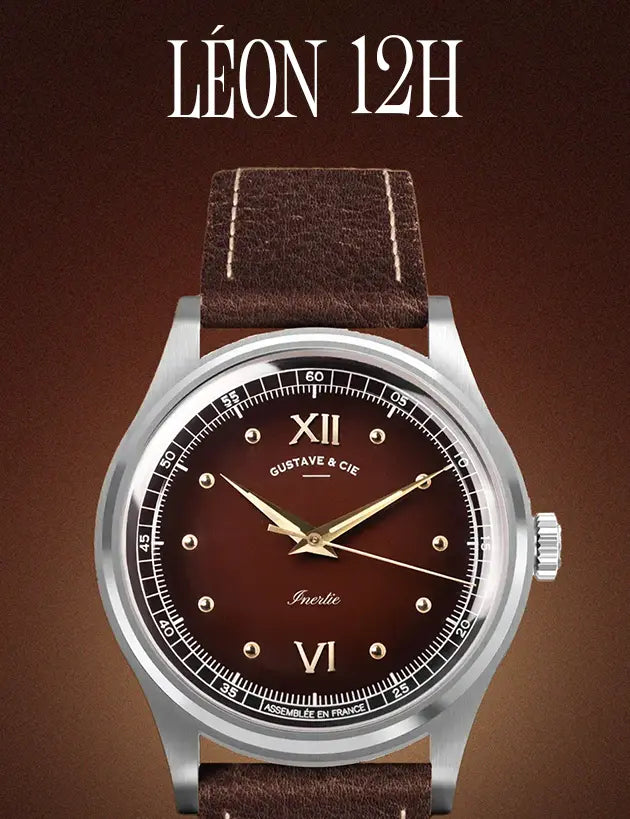
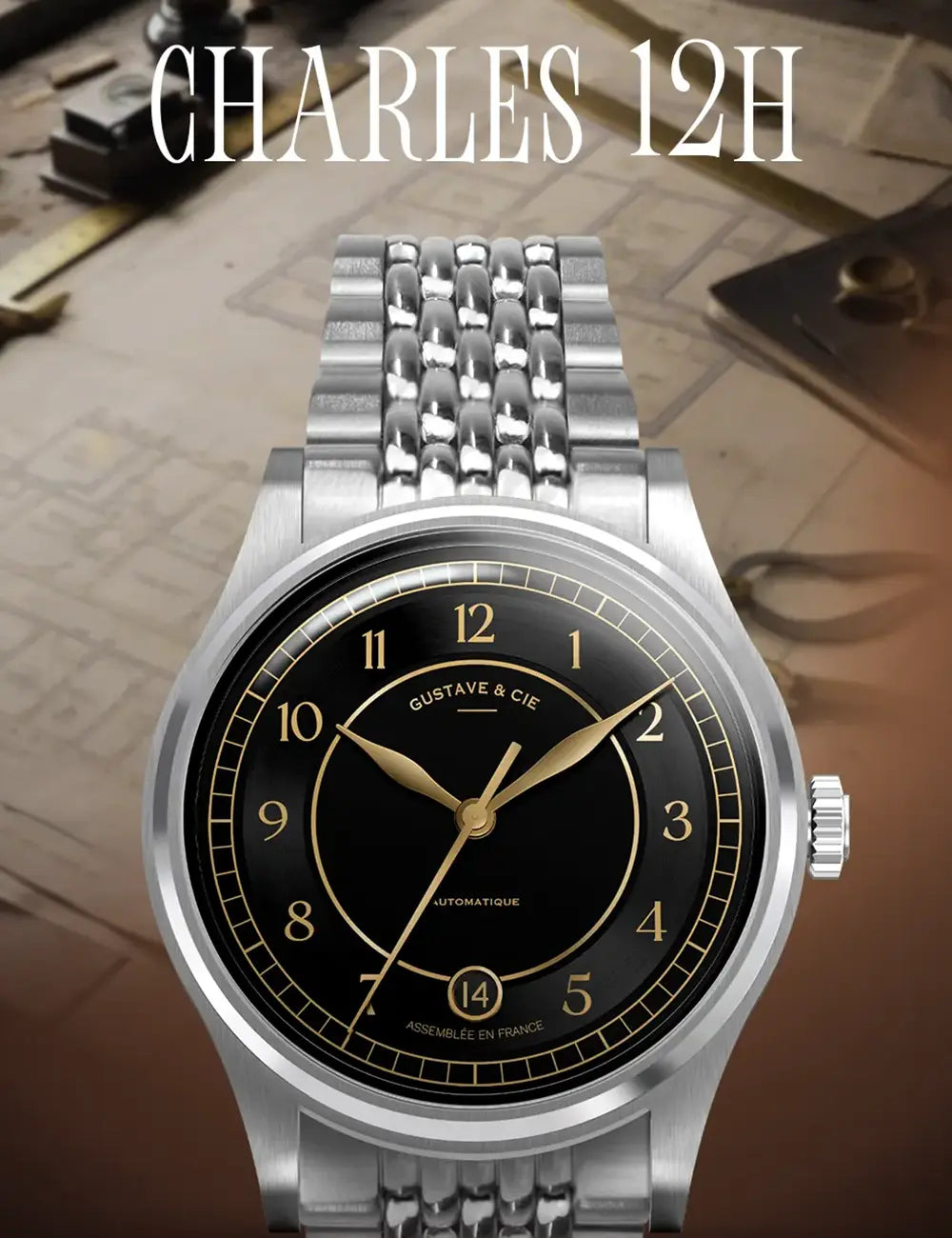
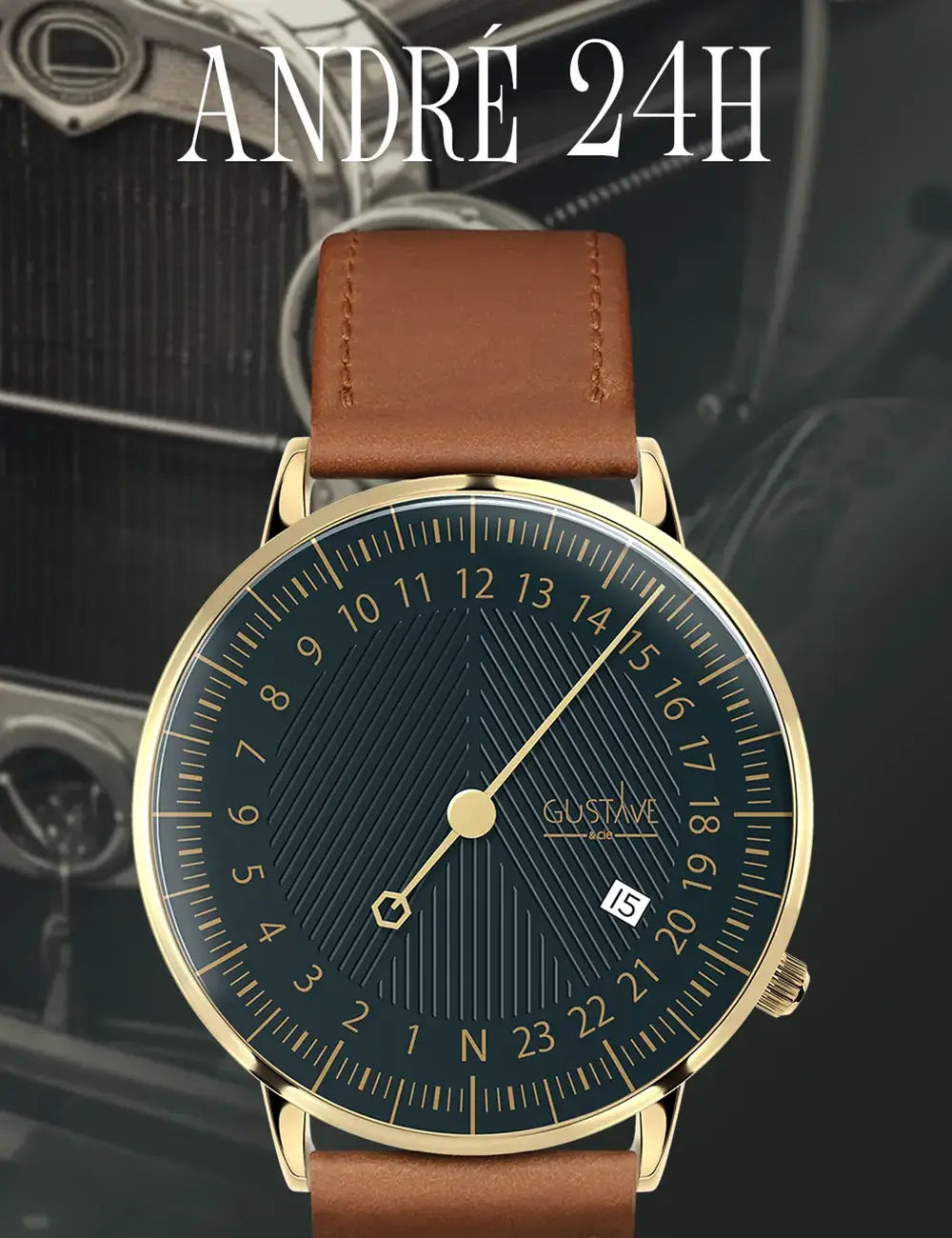
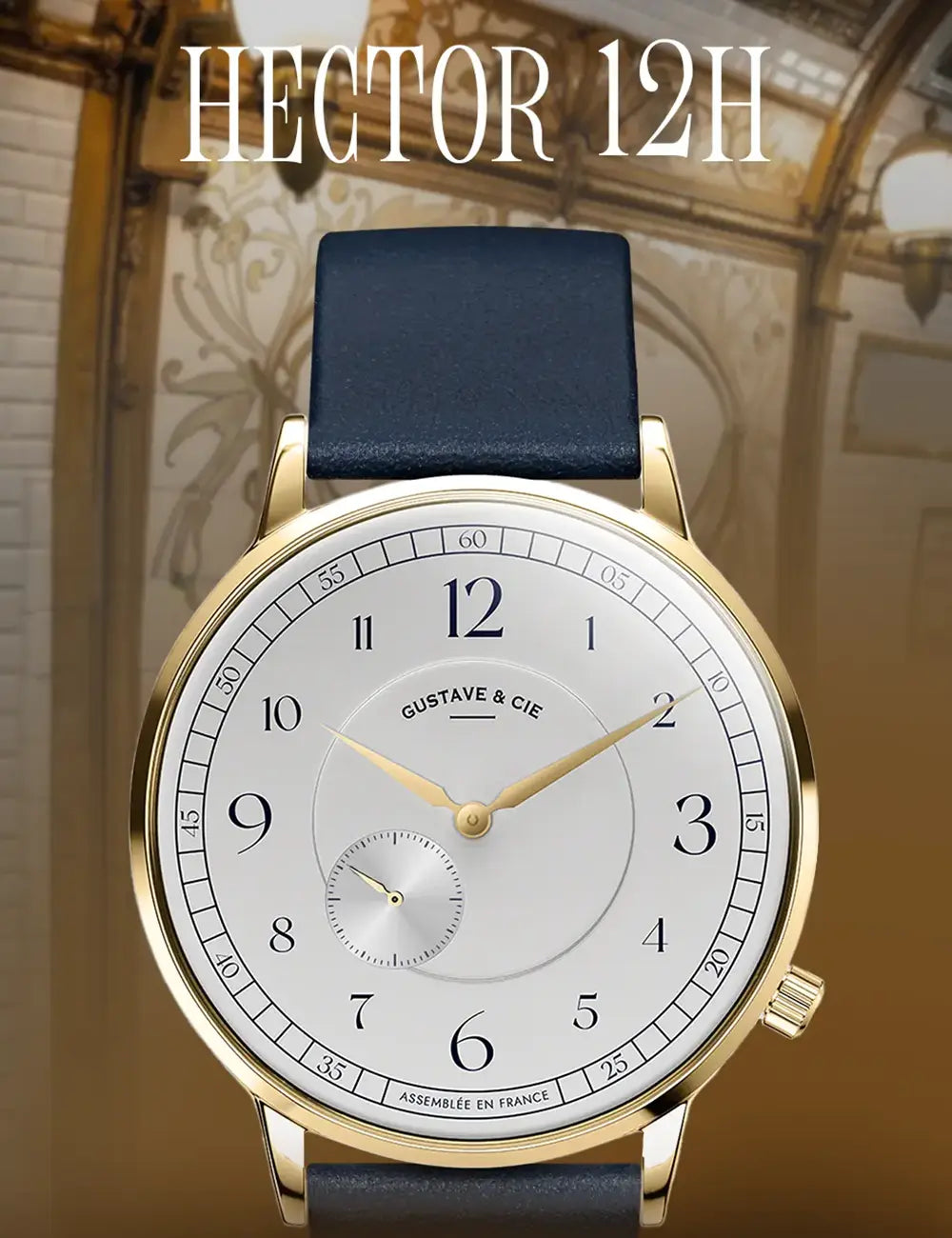
DISCOVER OUR WATCHES ASSEMBLED IN BESANÇON
Banner source: France Guide Info - Burgundy, Besançon - official image, editorial / press use

Leave a comment
This site is protected by hCaptcha and the hCaptcha Privacy Policy and Terms of Service apply.