


The return of small diameters: towards more classic watches?
For nearly two decades, the watch industry seemed to obey a tacit aesthetic rule: to assert its presence, a watch had to be imposing. The 2000s and 2010s were thus dominated by massive cases, easily exceeding 42 or even 45 millimetres in diameter. Yet, for the past few seasons, a breath of freshness and restraint has been blowing through international watch fairs. The return of small diameters is no longer a mere tremor; it is a groundswell that is redefining the standards of elegance on the wrist.
The ostentatious now gives way to discreet refinement. Collectors and enlightened enthusiasts alike are increasingly turning to more classic watches, boasting measured proportions, generally between 34 and 38 millimetres. This paradigm shift raises a fascinating question: are we simply witnessing a fleeting fashion cycle, or a definitive return to the roots of traditional watchmaking? An analysis of a trend that puts good taste and the accuracy of proportions back at the center of attention.
The end of the "Oversize" era: A cultural paradigm shift
To understand the current craze for small diameters, one must analyze the era that preceded it. At the dawn of the new millennium, the watch transformed into a true tool for demonstrating strength. Driven by pop culture icons and action cinema, the "oversize" trend pushed manufacturers to design ever larger, thicker, and more technical timepieces. Dials became loaded with information, bezels widened, and the watch became an object that had to be seen from afar.
However, this race to gigantism eventually reached its aesthetic and ergonomic limits. Today, our relationship with luxury has metamorphosed. The era belongs to "Quiet Luxury", that silent luxury which privileges the intrinsic quality of the object, the finesse of its assembly, and the purity of its design, rather than the conspicuous display of its price or dimensions. The return of small diameters fits perfectly into this quest for meaning and sobriety.
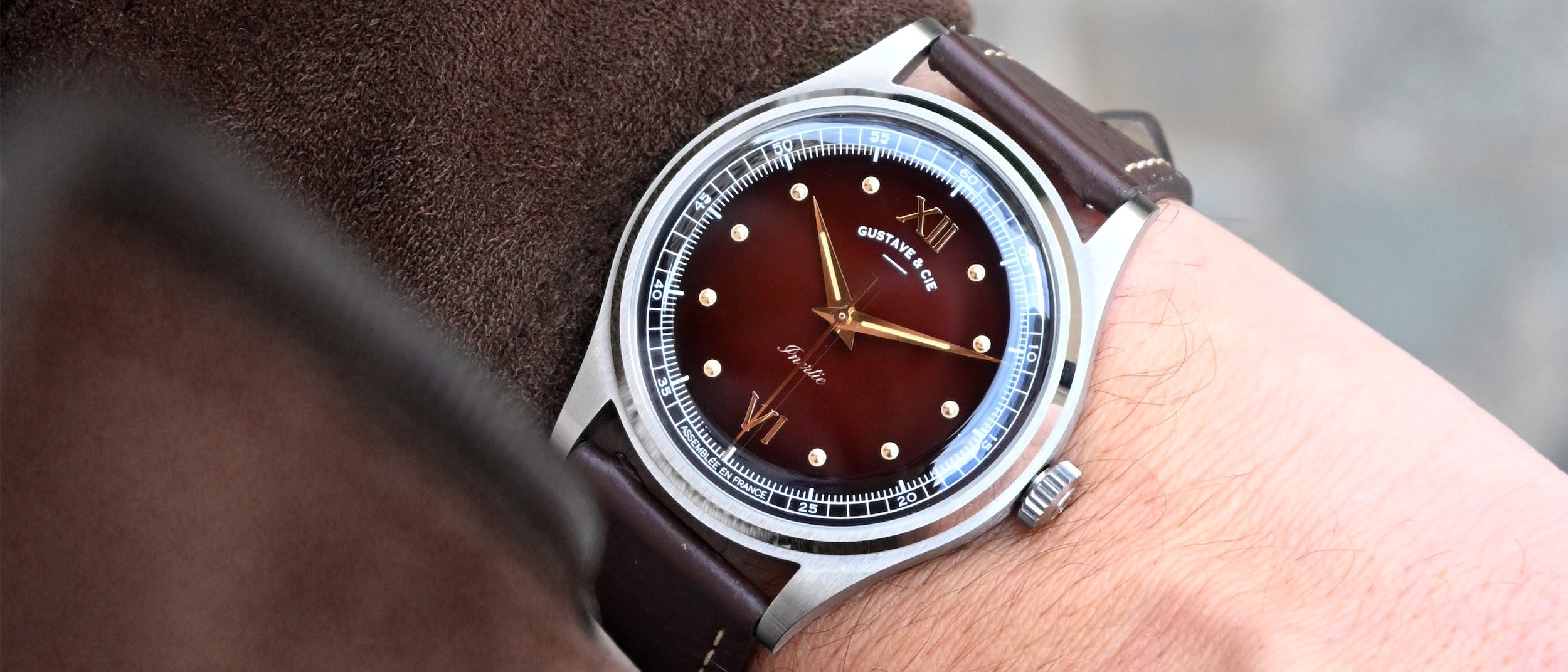
A 36 or 38-millimetre watch does not seek to capture attention by its size, but by the perfect balance of its lines. It slips naturally under a shirt cuff, accompanies a suit with absolute discretion, and brings a touch of elegance to a more casual outfit without ever appearing disproportionate. It is the triumph of subtlety over demonstration.
Evolution of watch diameter standards through the eras Era Standard diameter (Men) Dominant Trend & Style 1940 - 1960 33 mm to 35 mm The golden age of classicism: thin, discreet, and elegant watches. 1970 - 1980 Heterogeneous (36 mm to 40+ mm) The experimental era and the quartz revolution: shaped cases, disruptive designs, and sport-chic. 1990 - 2010 42 mm to 45 mm (and more) The "Oversize" era: imposing, sporty, and ostentatious watches. 2020 - Today 36 mm to 39 mm The return to the roots: contained proportions, genderless, and "Quiet Luxury".
Why is the return of small diameters so appealing?
This shift towards more classic watches can be explained by the convergence of several stylistic and societal phenomena that are reshaping the expectations of enthusiasts.
The undeniable appeal of the "Vintage" aesthetic
The watch industry draws a large part of its inspiration from its own heritage. By exploring the archives from the 1940s to the 1960s, often considered the golden age of watch design, we find that the norm for a man's watch was around 33 to 35 millimetres. Modern reissues of these historic models have naturally brought these proportions back to the forefront.
This neo-retro spirit reassures and fascinates. The reduced proportions highlight the meticulous work carried out on the dial, hands, and indices. Space being more limited, each element must be thought out with surgical precision so as to not overload the readability. This return to the sources brings back to light the timeless charm of timepieces from the middle of the last century, proving that classic elegance is impervious to the ravages of time.
Comfort and ergonomics on a daily basis
Beyond aesthetics, the return of small diameters is a victory for ergonomics. A voluminous and heavy watch can quickly become uncomfortable, hindering wrist movements or systematically catching on clothing. Conversely, a contained case, combined with a reduced thickness (often made possible by slimmed-down quartz movements or extra-thin mechanical calibres), offers an exceptionally fluid wearing experience.
The watch is forgotten on the wrist, only becoming present again when you wish to check the time. This notion of "wearability" has become a major purchasing criterion. Enthusiasts look for an everyday object, reliable and light, capable of following them in all their activities with natural ease.
The advent of the "Genderless" (Unisexe) watch
One of the most striking developments accompanying the return of small diameters is the gradual blurring of gender boundaries in watchmaking. Historically, catalogues strictly separated "men's" watches (large and robust) from "women's" watches (smaller and often gem-set).
Today, the 36 to 38-millimetre diameter stands out as the "Sweet Spot", the ideal universal size. A man will appreciate the vintage elegance of a 36 mm case, while a woman will find in it a watch with character, endowed with a beautiful presence without being ostentatious. Brands are rethinking their collections around this fluidity, offering more classic watches that transcend gender labels to focus solely on design and harmony.

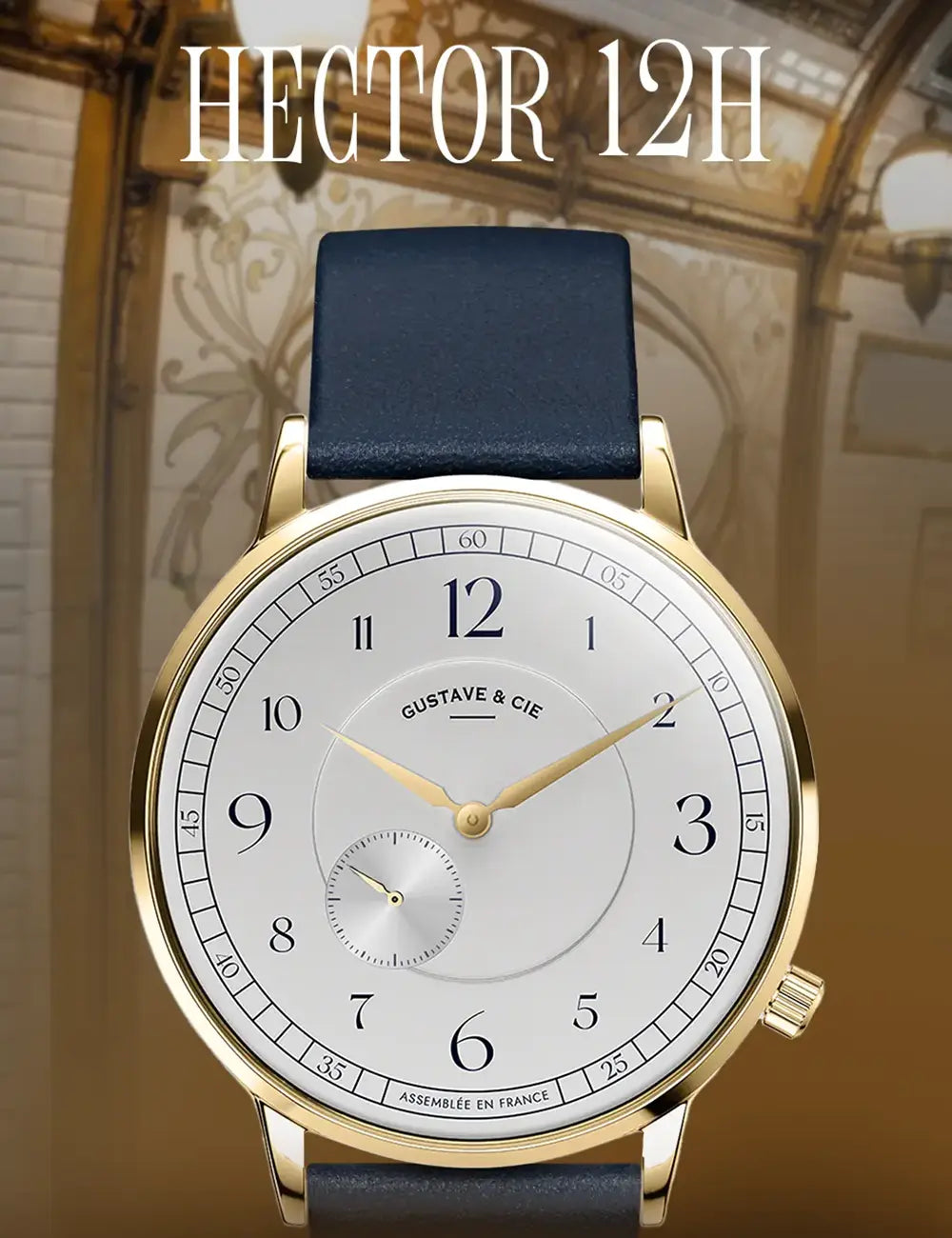
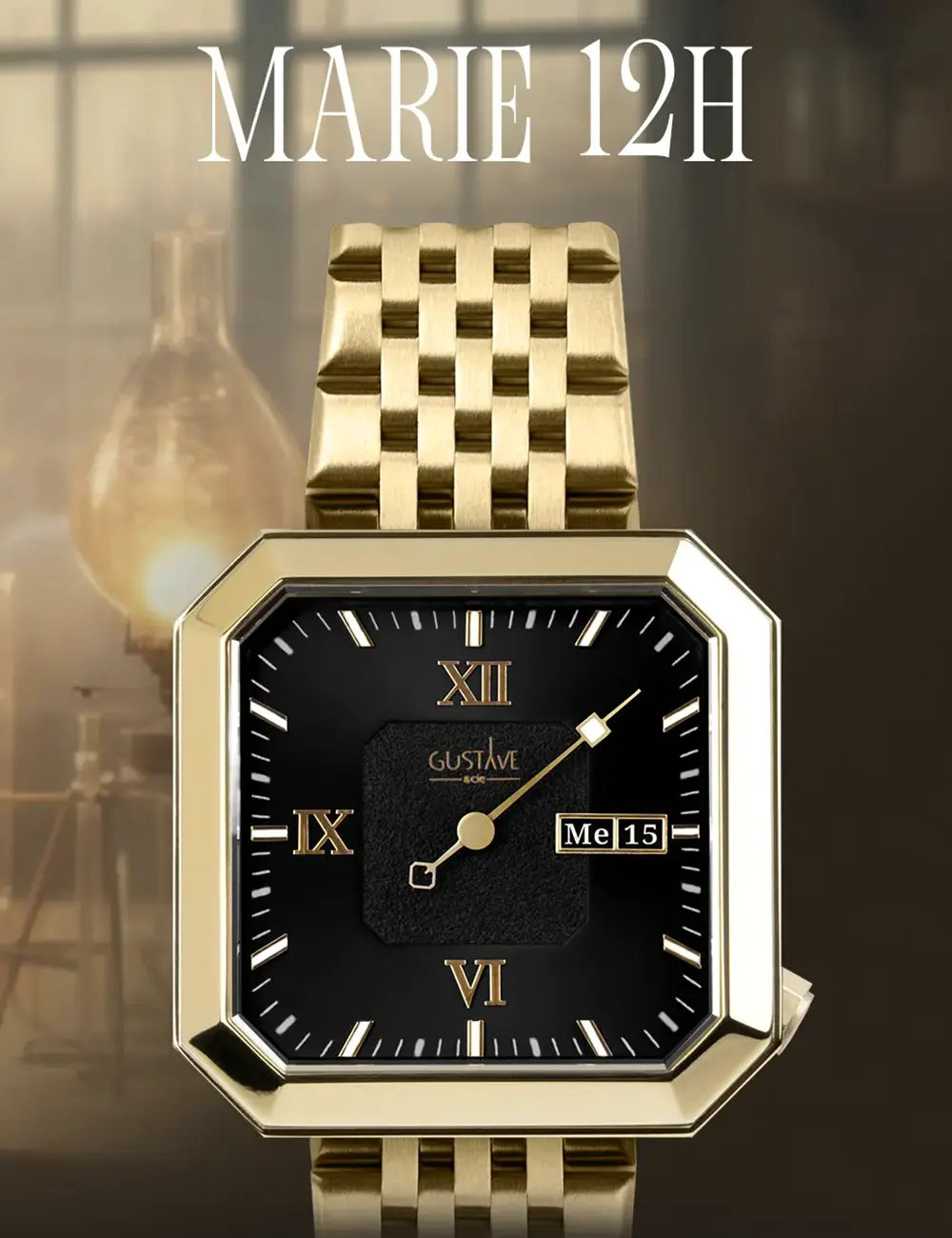
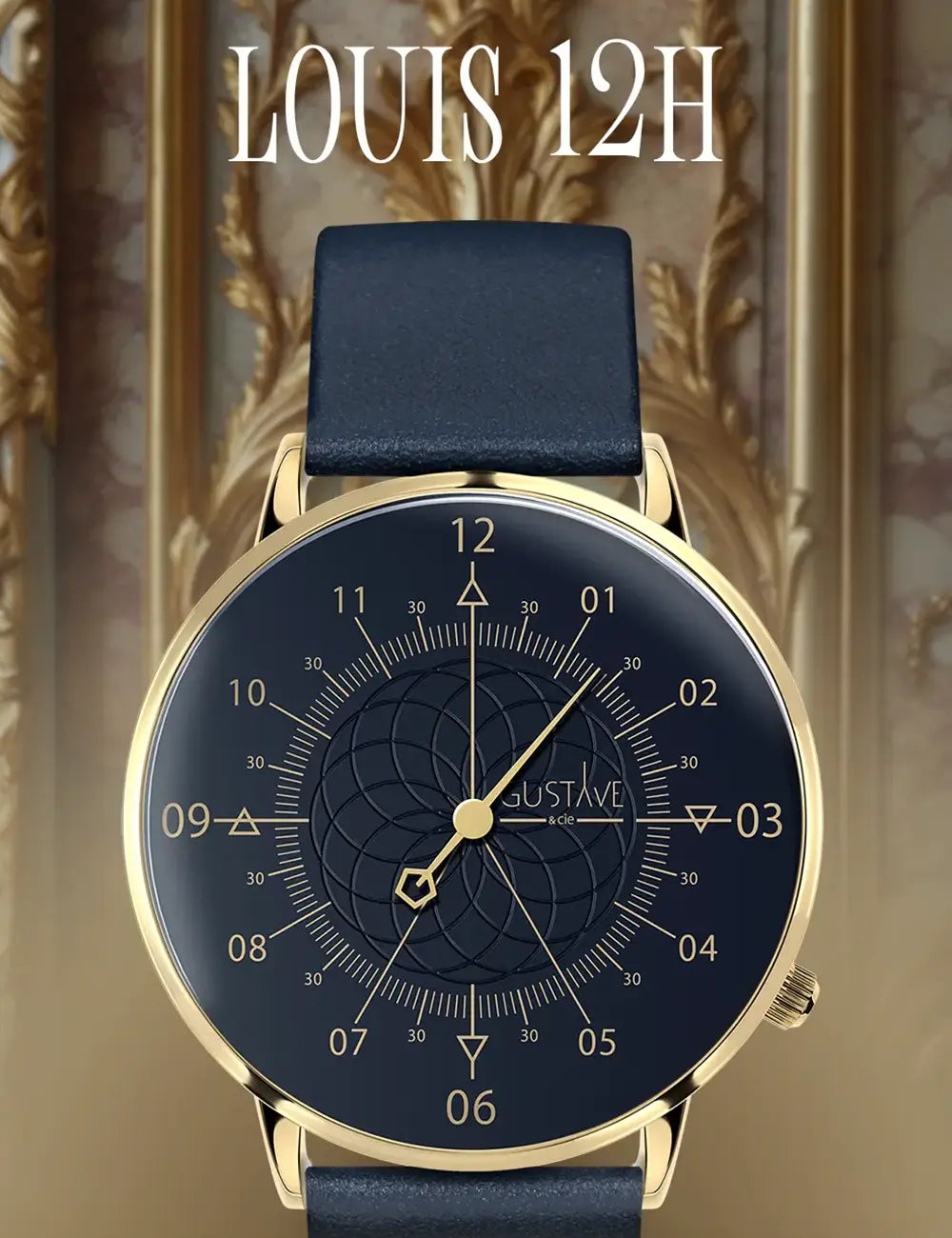
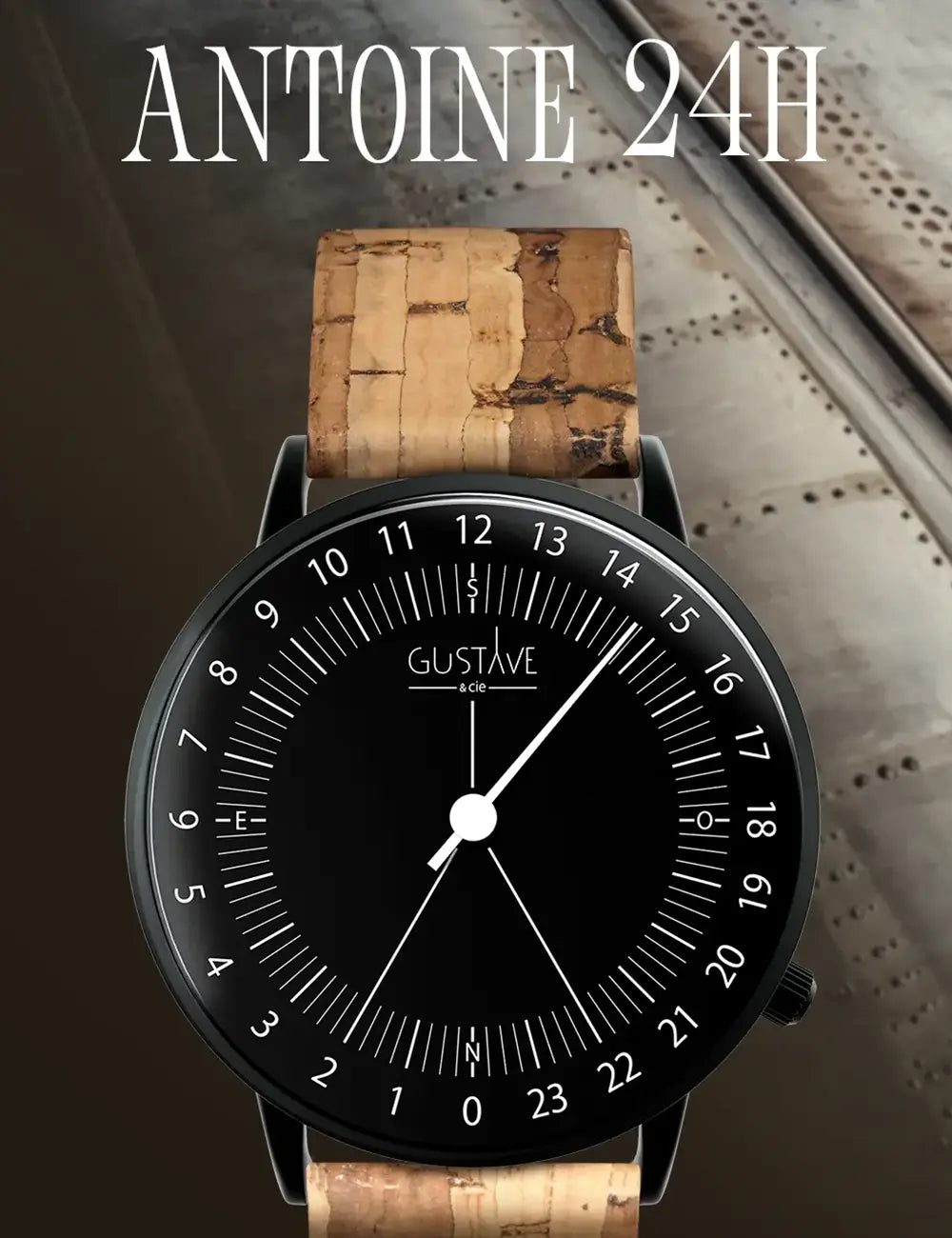
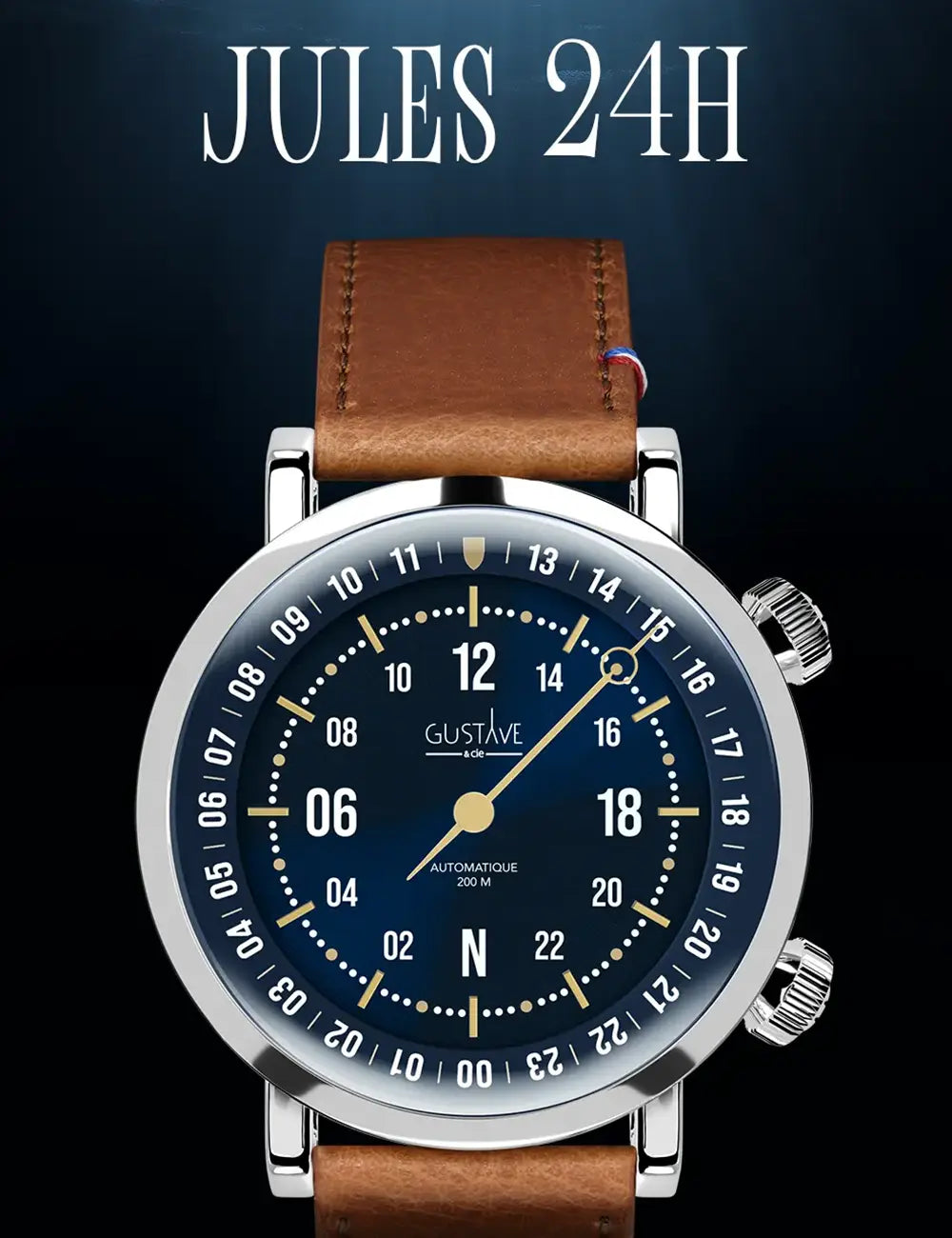
The quartz collections are available in several sizes, for example: the Louis 12H and Hector 12H watches in 36 mm and 40 mm, as well as the Marie 12H in a 36 × 36 mm square format.

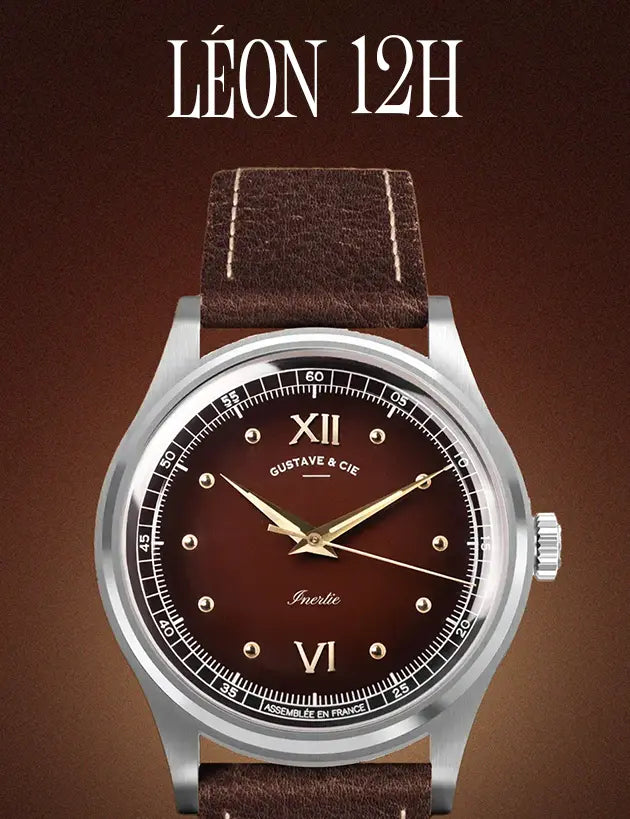
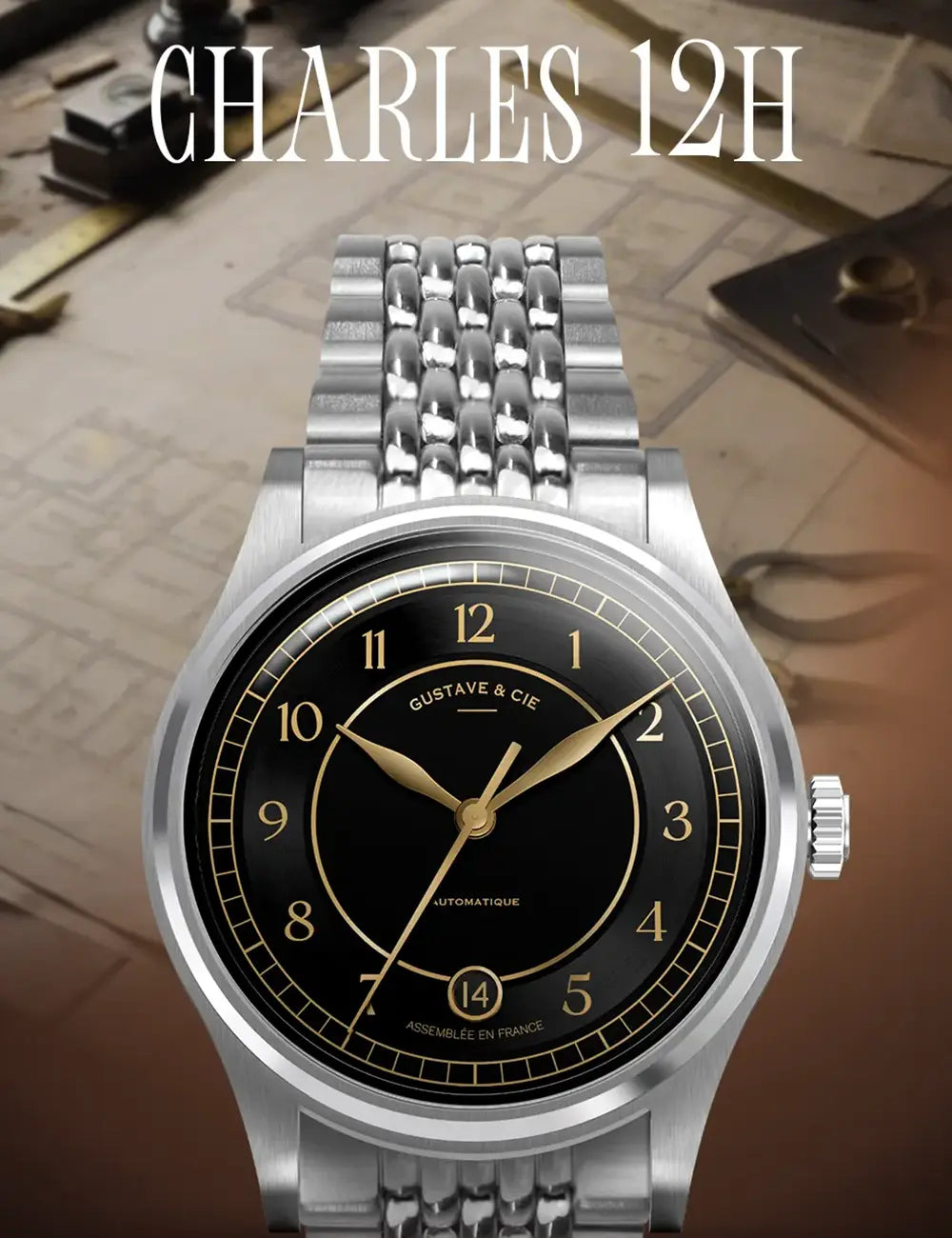
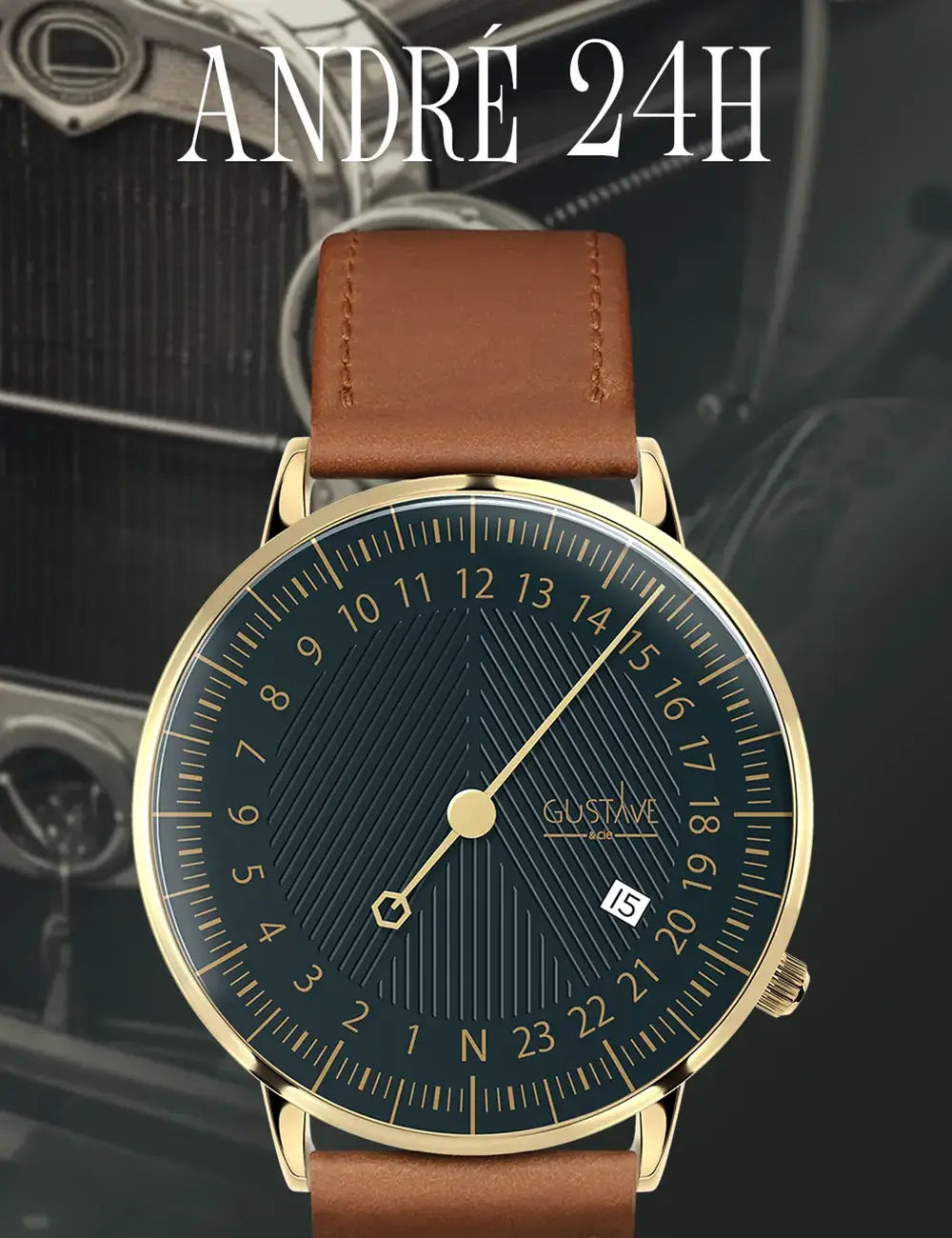
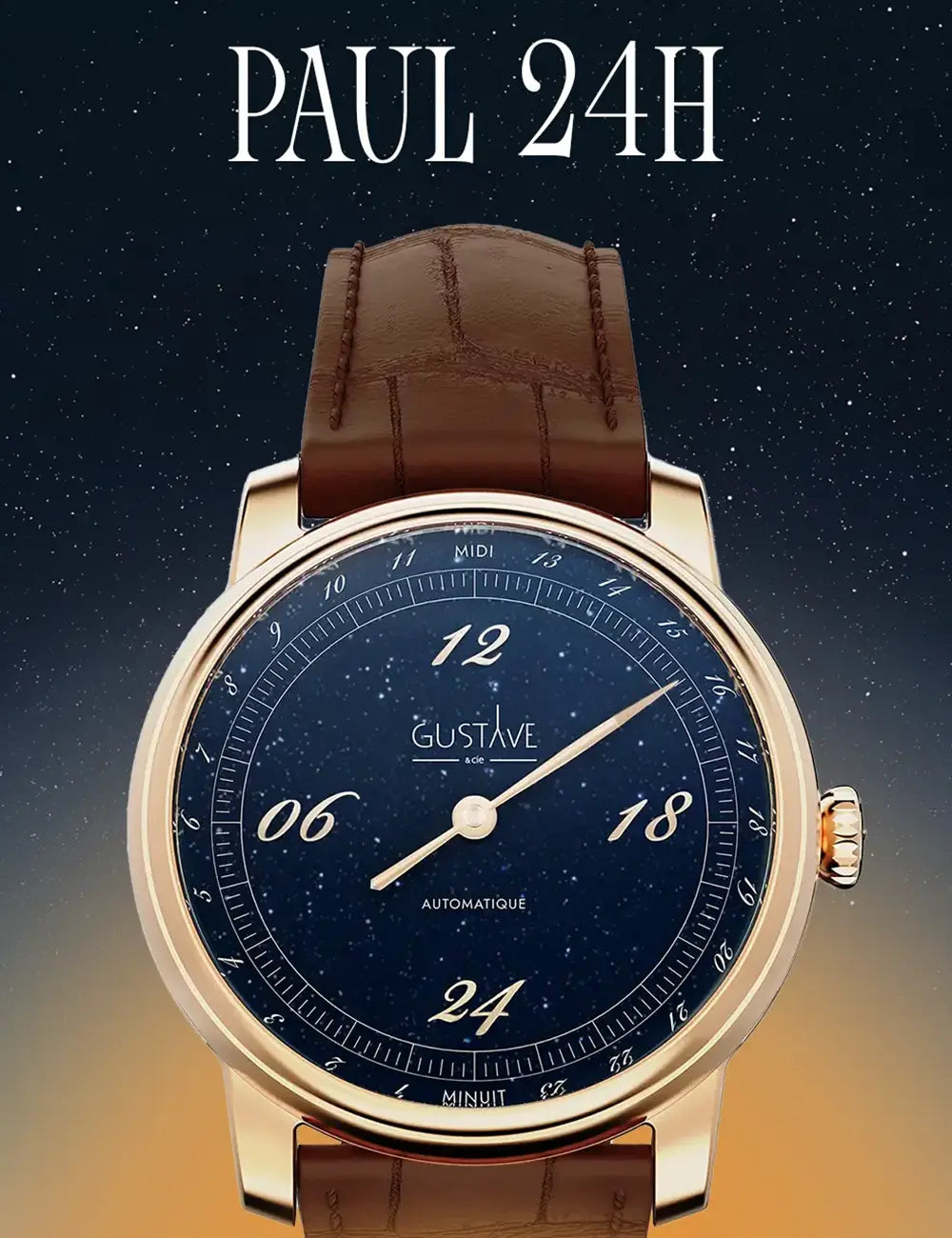
The automatic collections are available in 38 mm for the Léon 12H and Charles 12H, and in 39 mm for the Paul 24H, each with its own aesthetic identity.
What defines a "classic watch" today?
Speaking of more classic watches does not, however, mean a sterile step backward. Contemporary small-diameter timepieces benefit from today's technological advances: innovative materials, scratch-resistant sapphire crystals, optimized water resistance, and exemplary finishes.
However, the definition of modern classicism relies on a strict visual balance. Diameter is not everything. For a watch to be truly classic and well-proportioned, the "lug-to-lug" distance (the total length of the case from one end of the strap attachment to the other) is crucial. It is this measurement that truly determines how the watch will sit on the wrist.
In addition, the dial opening plays the role of an optical illusion. A 38-millimetre watch with a very thin bezel and a large open dial will appear larger than a 40-millimetre watch equipped with a thick bezel. Modern classicism therefore lies in the mastery of these geometric subtleties, offering clean dials, often monochrome or subtly textured, where reading the time becomes a visual evidence once again.
Conclusion
The return of small diameters is much more than a simple fluctuation of trends; it is a true aesthetic awakening. By moving away from the escalation of dimensions, watchmaking reconnects with what made its greatness: balance, discreet elegance, and timelessness. Turning towards more classic watches means choosing a timepiece that will cross the decades without ever going out of style. It means privileging the harmony of proportions in the service of style, proving with panache that true luxury never needs to shout to make itself heard.
DISCOVER OUR WATCHES IN CLASSIC CASE SIZES

Leave a comment
This site is protected by hCaptcha and the hCaptcha Privacy Policy and Terms of Service apply.