




The Development of the Second-Hand Market in 2026: Trends, Impact, and New Challenges
Long reserved for Sunday bargain hunters or driven solely by economic constraints, buying second-hand has established itself as an essential pillar of contemporary consumption. In this year 2026, economic indicators bear witness to a major societal transformation: a large majority of citizens have definitively integrated this reflex to equip themselves on a daily basis. It is no longer a mere emerging trend or a fleeting fad, but a firmly rooted behaviour that is redrawing the rules of traditional commerce.
The development of the second-hand market is today crossing a decisive strategic milestone. It is no longer simply about emptying one's wardrobe on weekends via mobile applications. The global challenge now consists of entirely rethinking the intrinsic durability of products, the complex logistics of resale, and the true ecological impact of these so-called "circular" economic models.

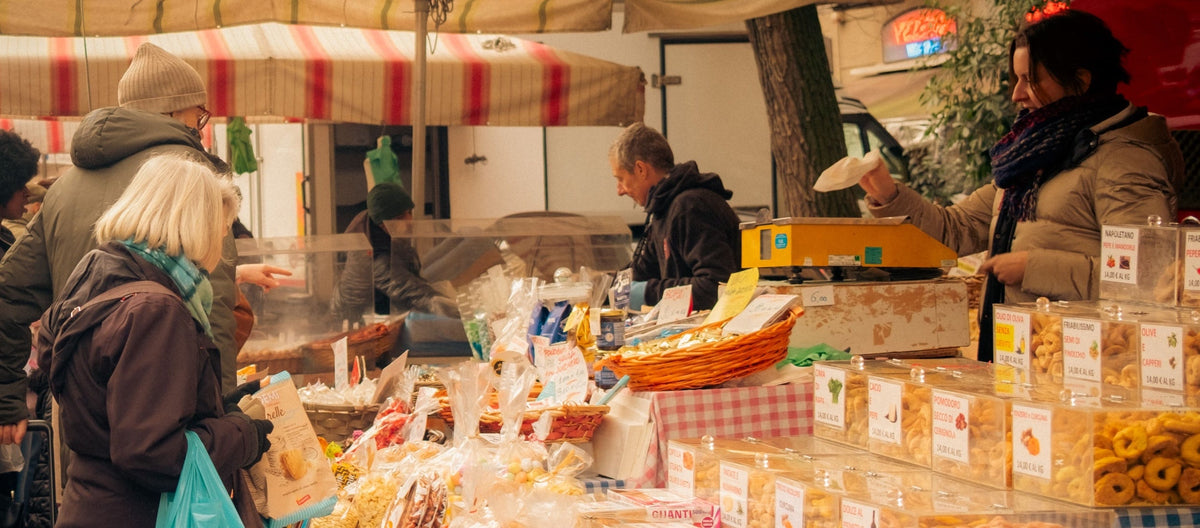
Customer browsing clothes on racks in a second-hand market.
Credit: Pexels, official image, editorial use.
A growth that is stabilising but intensifying in its uses
After a meteoric rise recorded between 2021 and 2024, the penetration rate of second-hand goods is beginning to find its cruising speed on the European market. However, this apparent macroeconomic stabilisation masks an impressive intensification of individual practices. Buyers are no longer settling for a single category of second-hand products to ease their conscience. While they overwhelmingly started with ready-to-wear fashion, they are now naturally turning towards furniture, refurbished electronics, decoration, and sustainable accessories.
To go further: ADEME Report on the circular economy 2024
A particularly striking fact of recent years: offering a second-hand product is definitively no longer a social taboo. A vast majority of consumers declare themselves entirely open to the idea of giving or receiving a gift that has already had a first life. This positive evolution in mentalities proves that the object is now valued for its history, its originality, and its reduced carbon footprint. Furthermore, the market no longer really needs to recruit new followers to grow organically; it is the regular users who are increasing the frequency and budget of their purchases.
The ecological paradox of major digital platforms
While the development of the second-hand market is very often celebrated for its environmental virtues, reality brings to light certain concerning limitations of the dominant digital model. The major online resale platforms undeniably facilitate exchanges between private individuals on an international scale. Nevertheless, they generate negative ecological externalities that are beginning to weigh seriously in the public and political debate. The exponential multiplication of individual shipments, the massive use of single-use packaging, and the transport of parcels over long distances heavily increase the carbon footprint of these transactions.
Moreover, these applications paradoxically foster a new form of entirely uninhibited overconsumption. Reassured by the possibility of reselling easily and quickly, some consumers are accelerating their compulsive purchases of very low-quality new products. Second-hand thus becomes, despite itself, a mere sales channel for an ever more voracious disposable fashion industry.
Faced with this observation, the historical players in reuse and the social and solidarity economy are sounding the alarm. They are calling for an urgent relocalisation of exchanges. Local physical structures ensure meticulous local sorting and virtuous reuse, whilst maintaining a strong social bond at the heart of urban and rural territories.
Horology and durable goods: the very essence of transmission
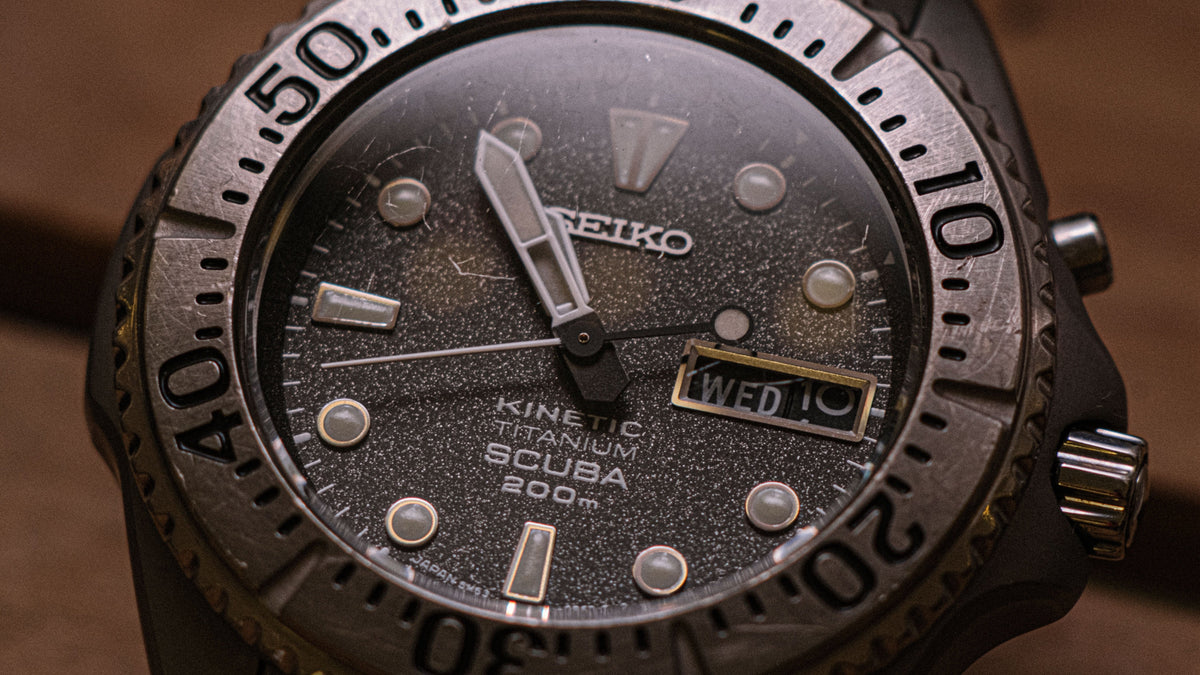
In this shifting economic landscape where the lifespan of products is constantly being called into question, certain sectors stand out as historical pioneers and models to follow. Horology, by tradition, has integrated the concept of second-hand for decades. A beautifully crafted watch is fundamentally not a disposable good; it is designed from its very conception phase to transcend time. It must be able to withstand the trials of everyday life, be rigorously maintained, repaired, and then passed down to the next generation or resold on the enthusiasts' market.
It is on this demanding technical ground that the notion of a durable object takes on its full meaning. Unlike a fleeting fashion accessory, a carefully assembled watch retains a true intrinsic and sentimental value. Choosing such a timepiece is part of an approach that favours repairability, reliability, and timelessness. Its acquisition is then akin to the search for an object endowed with a genuine soul. An approach that forcefully underlines the vital importance of investing in creations designed to stand the test of time, at the very opposite of planned obsolescence.

Passionate watchmaker leaning over the restoration of an antique mechanism in his workshop.
Credit: Pexels, official image, editorial use
Towards a true industrial structuring of reuse
The enduring future of the development of the second-hand market inevitably passes through its professionalisation and logistical rationalisation. Established brands and traditional distributors can no longer content themselves with observing this flourishing sector of the economy from the sidelines. Many companies today are making the strategic choice to integrate second-hand directly into the heart of their business model. They are now deploying their own official take-back, expert refurbishment, and certified resale services.
This assumed internalisation makes it possible to guarantee the absolute quality and authenticity of second-hand products, thus reassuring the final consumer through solid professional guarantees. Above all, it allows brands to master the complete life cycle of the manufactured object, greatly favouring its long-term repairability. Second-hand thus becomes an activity perfectly integrated into the overall commercial architecture of modern businesses. This is an indispensable transition towards a truly circular economy, where responsible design, the choice of materials, and regular maintenance finally reclaim their rightful place.
Conclusion
In conclusion, the development of the second-hand market brilliantly illustrates a collective awareness that has reached maturity in 2026. While significant logistical challenges and persistent ecological paradoxes remain to be resolved to clean up the sector, the general public's enthusiasm for durable, traceable objects steeped in history shows no signs of waning. It is no longer simply an exclusive quest for the lowest price, but a profound search for meaning, transparency, and quality. It is an urgent invitation to consume less in volume, but infinitely better, by systematically favouring expertise, local craftsmanship, and the longevity of the objects that faithfully accompany us daily.
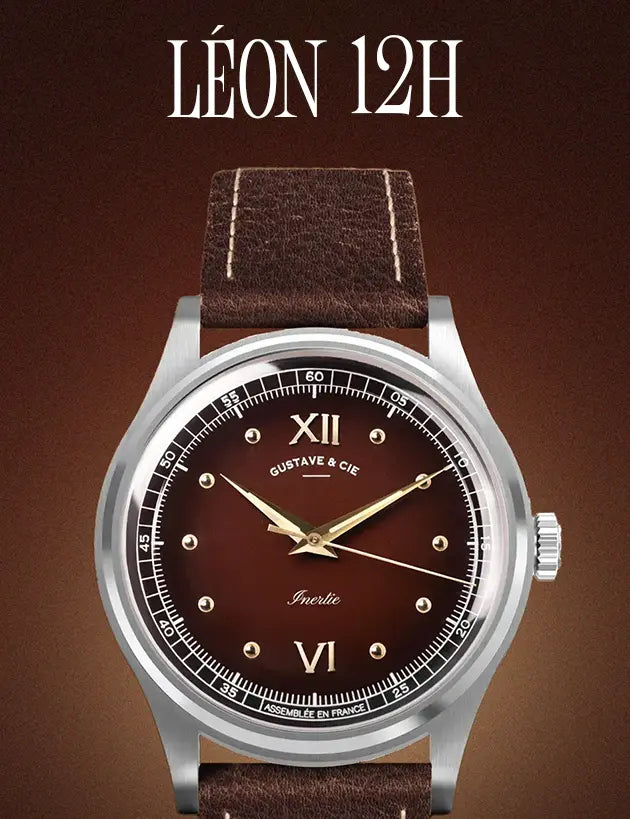
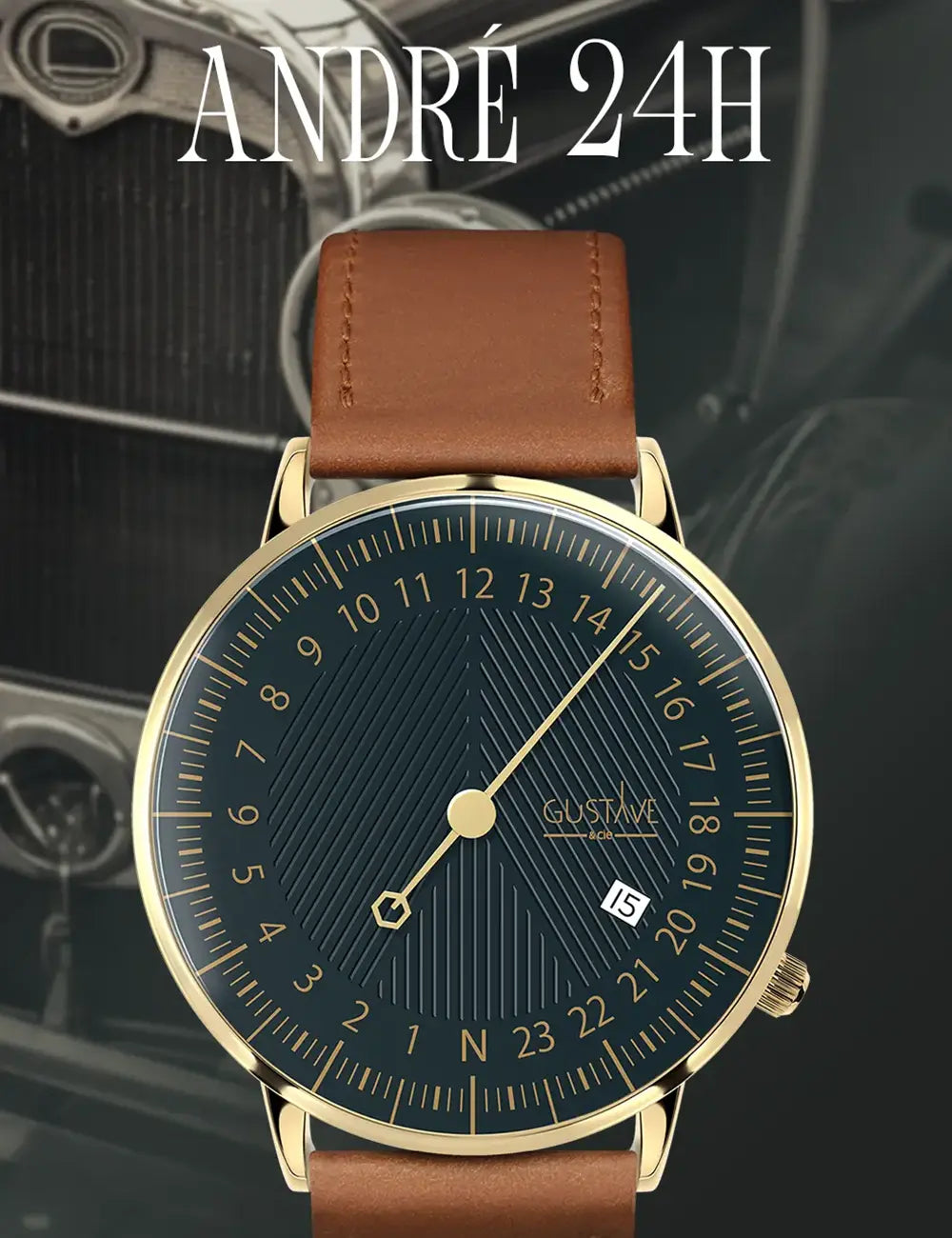
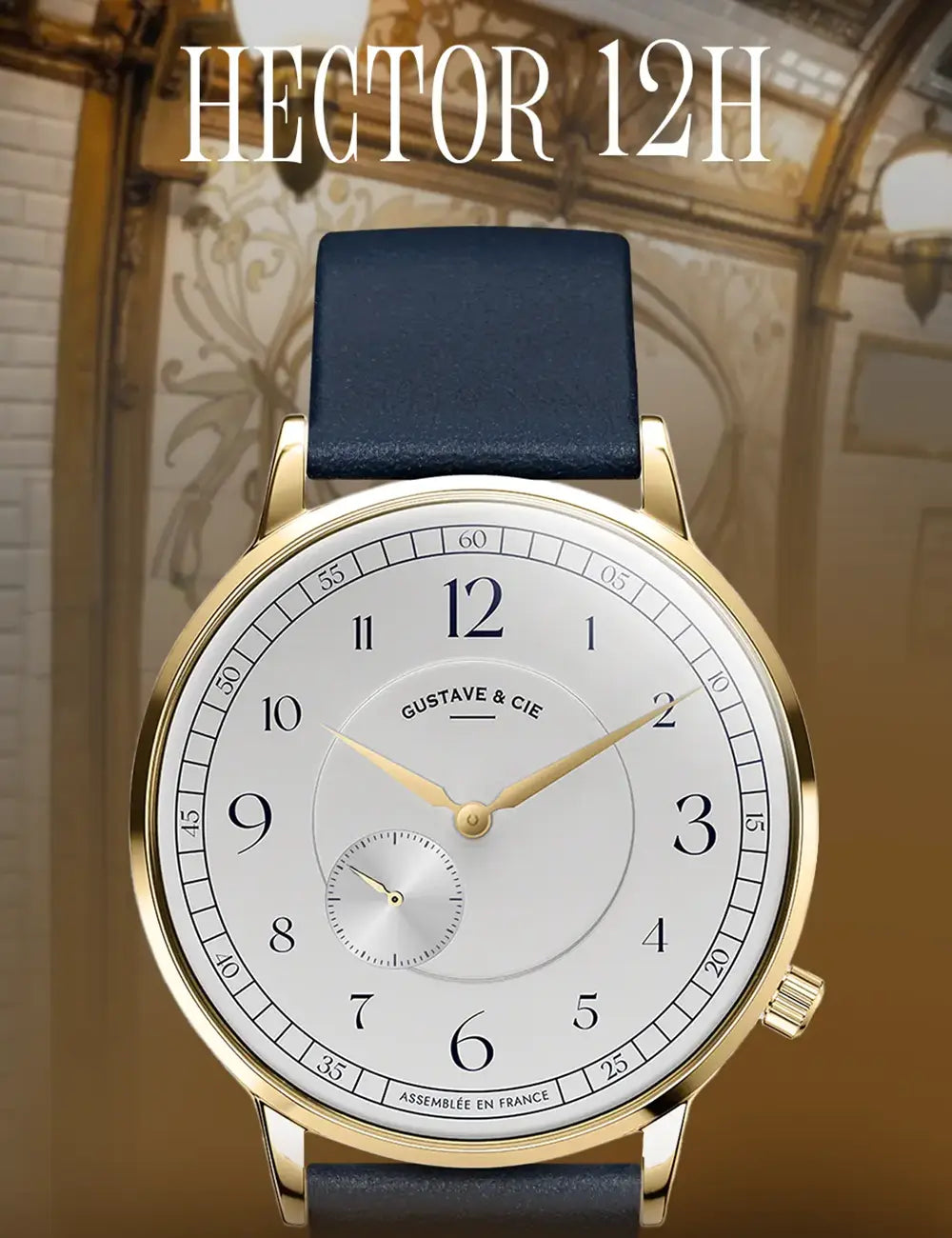
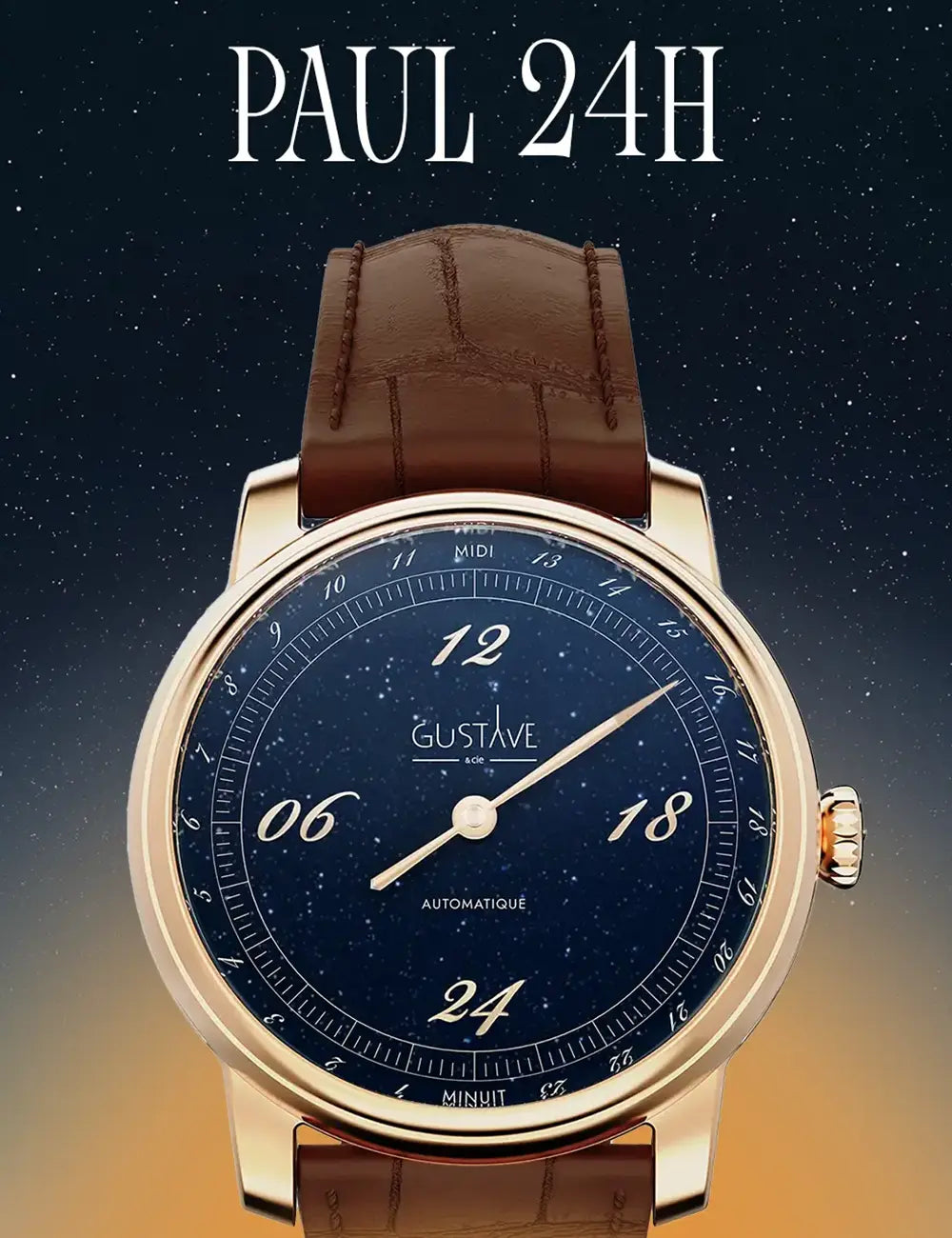
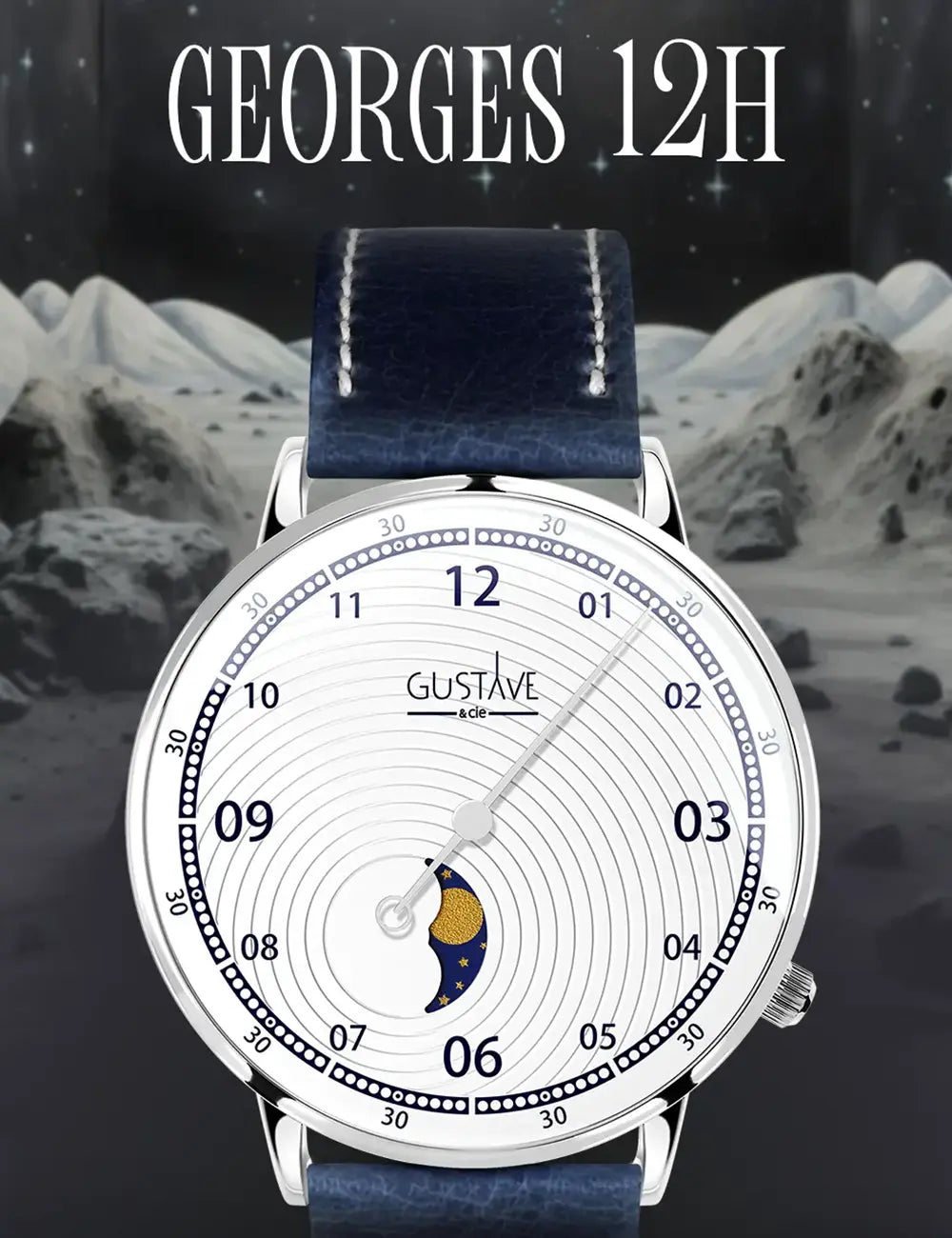
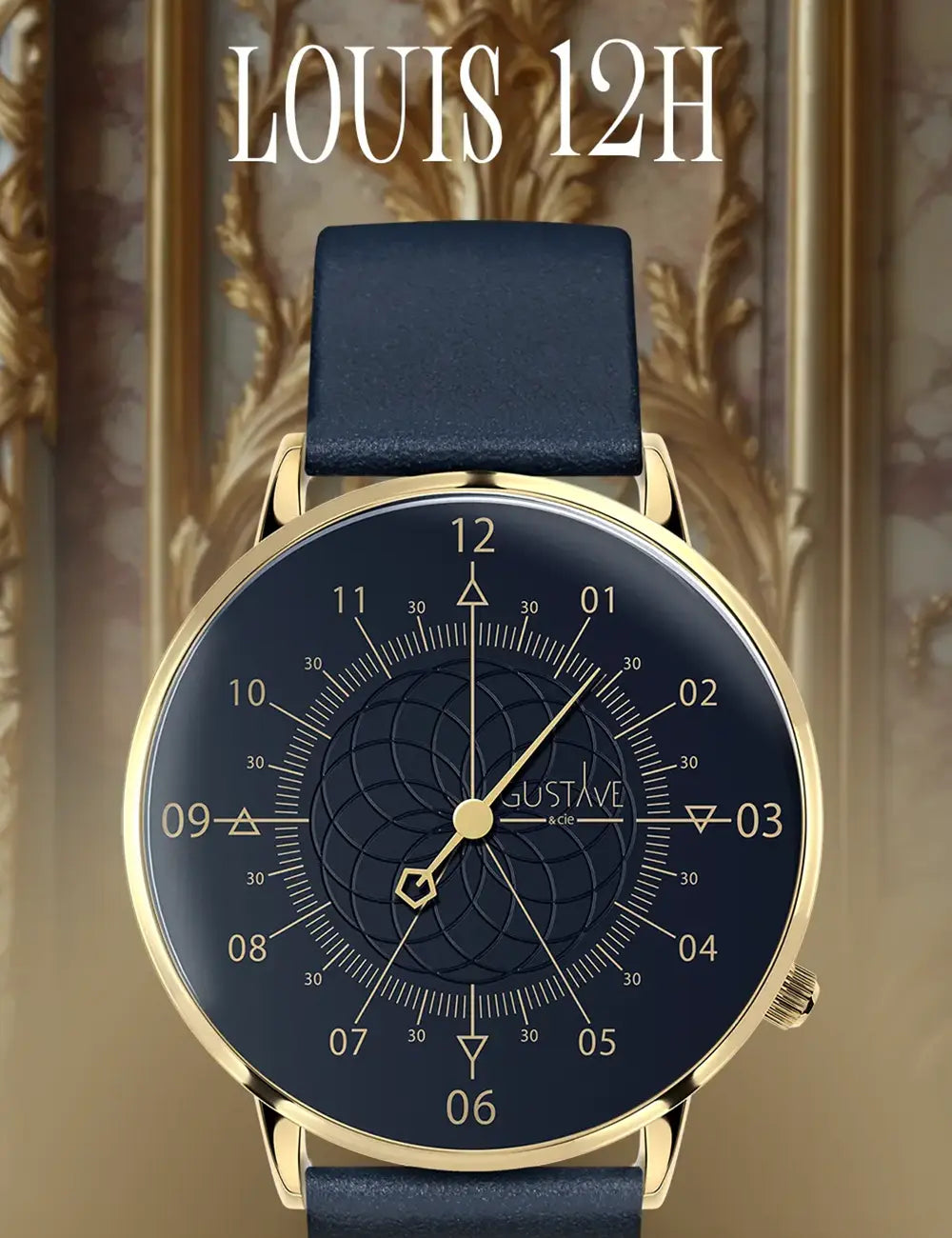
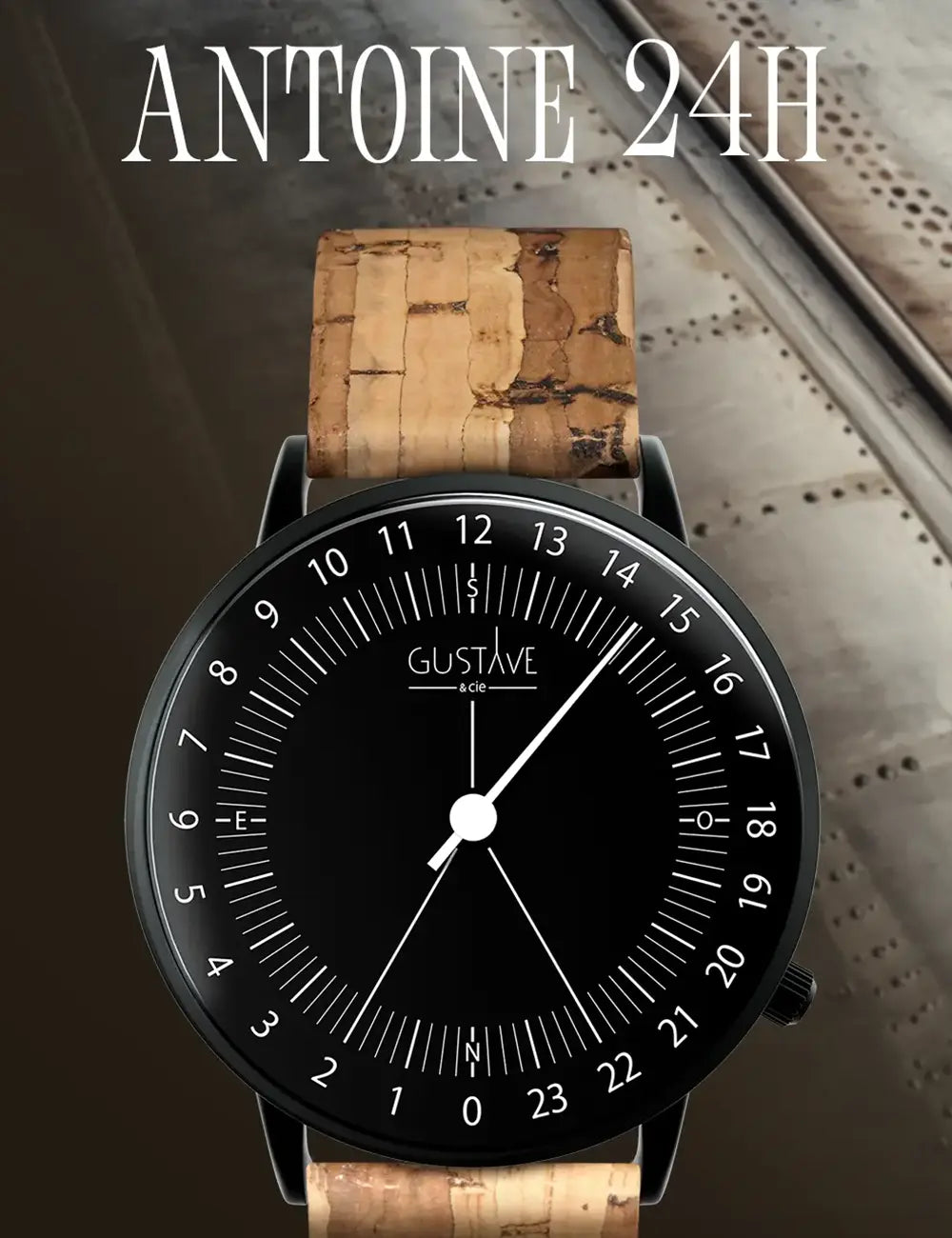
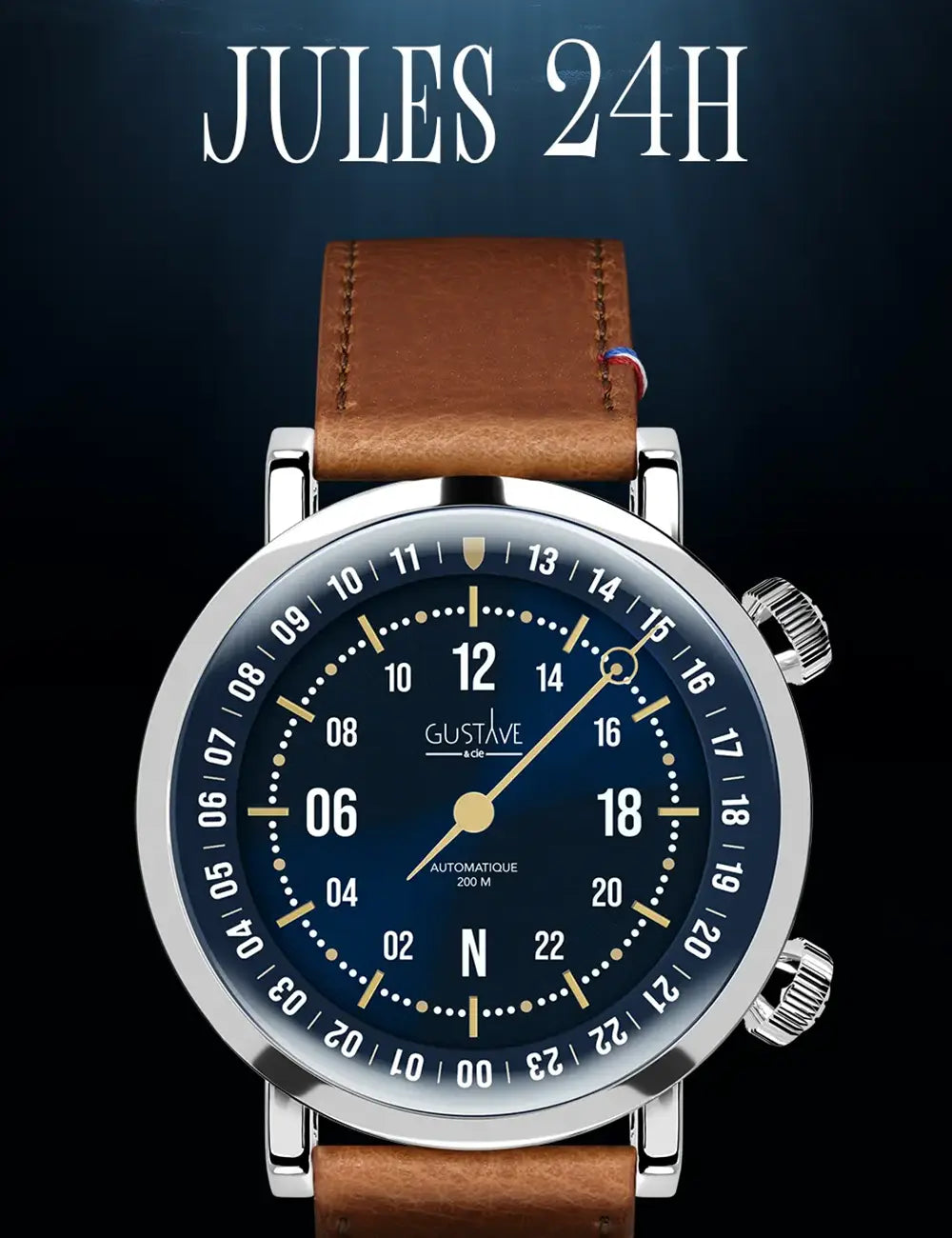
Give a gift that stands the test of time with a Gustave & Cie watch, assembled in France.
Leave a comment
This site is protected by hCaptcha and the hCaptcha Privacy Policy and Terms of Service apply.