


Calendar Complication: A Complete Guide to Watchmaking Calendars
Today, displaying the date on your wrist may seem completely trivial. Yet, capturing the irregular course of months and years within a space of just a few square millimetres represents one of the major historical challenges in haute horlogerie. The calendar complication does not merely divide the day into hours and minutes; it anchors the watch in a vaster expanse of time, linking human mechanics to astronomical cycles.
Whether you own a timepiece fitted with a simple window displaying the day or dream of a mechanical masterpiece capable of anticipating leap years, it is fascinating to understand what lies beneath the dial. This guide explores in depth the different types of calendars, from their historical origins to their complex mechanical inner workings.
The Origins: Why Integrate a Calendar into a Watch?
Historically, many early timepieces contented themselves with a simple indication of the hour, often provided by a single hand. As commercial, scientific, and administrative activities expanded, the need to track days and months precisely became increasingly important.
As early as the 18th century, genius watchmakers like Abraham-Louis Breguet began integrating calendar displays into pocket watches destined for a wealthy clientele. These early pieces, true masterpieces of engineering, had to translate the complexity of the Gregorian calendar, adopted at the end of the 16th century, into gears and springs. The transition from the pocket watch to the wristwatch at the beginning of the 20th century subsequently demanded the extreme miniaturisation of these mechanisms.
Today, the display of the date is technically referred to by the term "quantième" (calendar). This complication comes in several levels of complexity, ranging from the basic indication requiring regular human intervention to the true mechanical computer that is the perpetual calendar, capable of automatically taking into account the irregularities of the calendar.

Abraham-Louis Breguet, watchmaker and major inventor of haute horlogerie, whose work deeply influenced the development of calendar complications.
Source: Breguet – Bicentenary of the death of Abraham-Louis Breguet - official image, editorial / press use
The Simple Calendar: The Essential Complication
The simple calendar, or simple quantième, is the most widespread complication in the contemporary watchmaking world. It generally indicates the date of the day by means of a rotating disc visible through a small opening on the dial, cleverly called a "aperture" or "window". On certain more classical models, the date can be indicated by a central hand pointing to numerals engraved around the perimeter of the dial (the pointer date).
From a mechanical point of view, the mechanism relies on an hour wheel that completes two rotations every 24 hours. It drives an intermediate wheel which, once a day (usually around midnight), pushes one tooth of a calendar disc featuring 31 teeth.
The limit of this system lies in its "blind" design. The mechanism systematically assumes that every month has 31 days. Consequently, during 30-day months (April, June, September, November) or in February (28 or 29 days), the wearer must manually correct the date using the crown to skip from the 30th to the 1st. This represents about five adjustments per year.

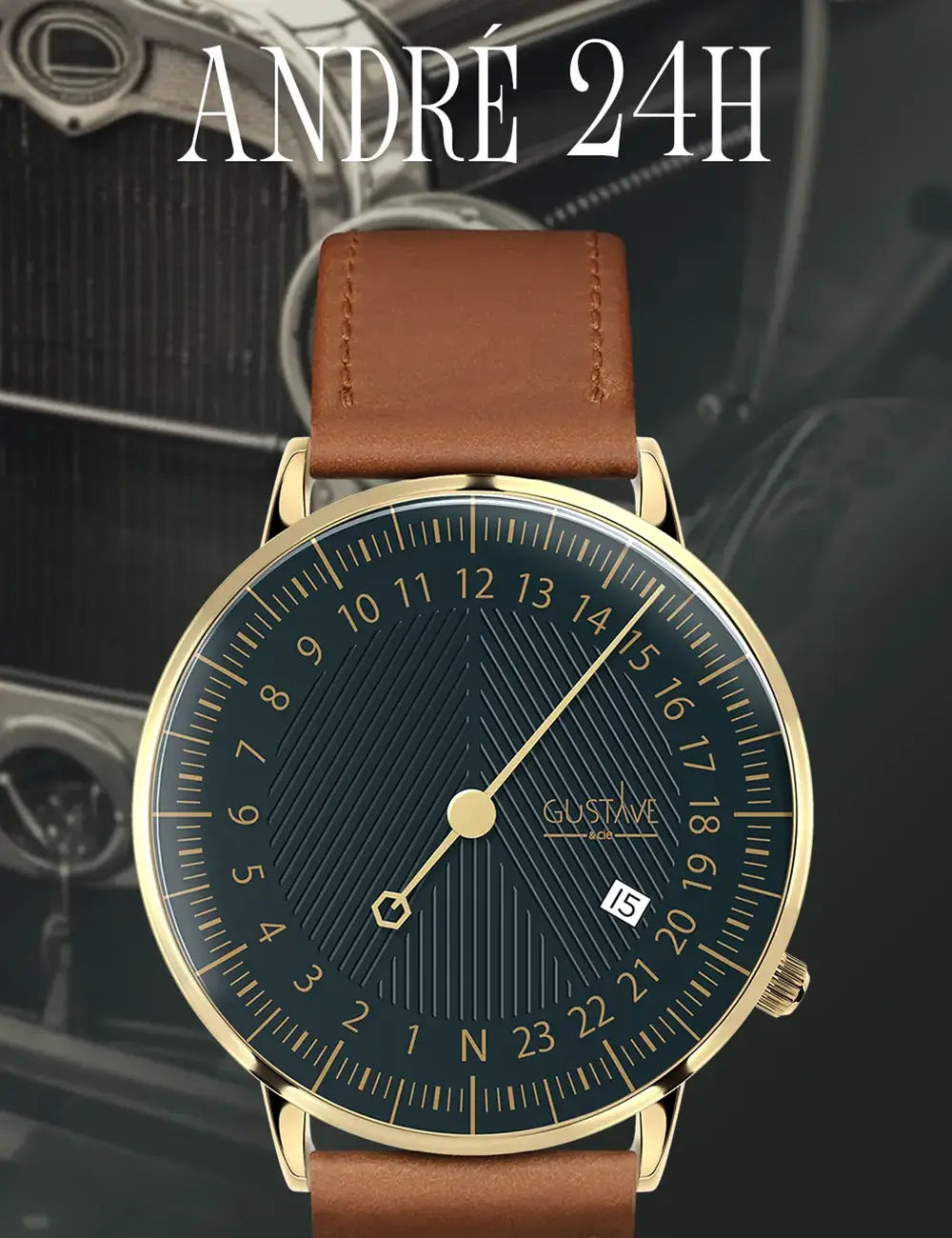
André 24H Collection : a single-hand quartz watch with a minimalist design, pairing a silver case and blue dial with an ocean blue vegan leather strap.
Combinations: The Day-Date Display
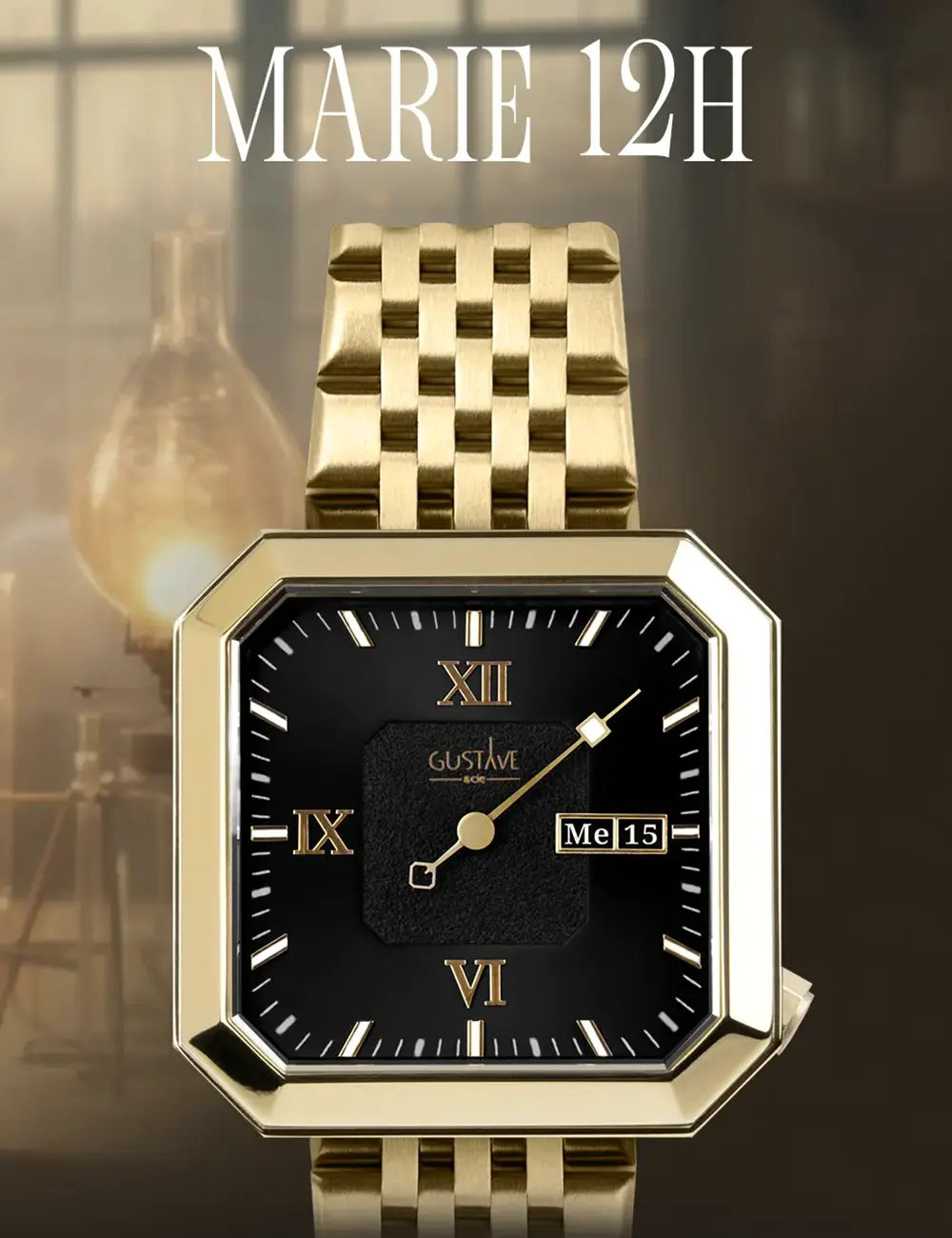
To enrich the information provided, many watch brands offer the "Day-Date" complication. In addition to the 31-day disc, a second disc with 7 notches is added to display the day of the week (Monday, Tuesday, etc.). These two discs jump simultaneously at the stroke of midnight. This combination, popularised in the 1950s, remains particularly prized for daily timepieces and field watches, offering a complete reading of civil time.

Marie 12H Classic Collection : a two-hand quartz watch with a timeless design, featuring a silver case, silver-toned dial, and grained black leather strap.
The Annual Calendar: The Ideal Mechanical Compromise
If manually adjusting the simple calendar seems tedious to you, the annual calendar represents a brilliant mechanical evolution. Popularised in the 1990s, this complication bridges the technical gap between the basic calendar and the prestigious perpetual calendar.
The mechanism of the annual calendar is endowed with a partial mechanical memory. It is capable of automatically differentiating between 30-day months and 31-day months. Concretely, at the end of April, it advances directly from April 30th to May 1st without requiring any intervention from its owner.
This feat relies on a sophisticated system of cams and levers allowing the movement to account for the length of the different months. The only exception remains the month of February. Whether it has 28 or 29 days, the annual calendar requires a single manual correction on March 1st of every year.
It thus constitutes an excellent compromise between simplicity of use and mechanical complexity.

The Patek Philippe 5035, launched in 1996, is considered the first series-produced annual calendar wristwatch, marking a major milestone in the evolution of calendar complications.
Source: Oracle Time - A Forgotten Icon: The Patek Philippe 5035 (Chris Youé) - official image, editorial / press use
The Perpetual Calendar (QP): The Pinnacle of Horological Art
In the quiet universe of haute horlogerie, the Perpetual Calendar (often abbreviated as QP) is considered one of the most noble and difficult complications to master. It is a genuine miniaturised mechanical computer, capable of automatically managing the irregularities of the Gregorian calendar as long as the watch remains running.
The perpetual calendar displays the day, the date, the month, and automatically accounts for the variable length of 28, 30, and 31-day months, as well as February 29th during leap years.
At the heart of most perpetual calendars lies a programming mechanism operating on a four-year cycle, representing 48 months. Often materialised by a cam or a programming wheel, this mechanical organ memorises the sequence of the months and their respective durations. A lever then "reads" this programming in order to indicate to the movement when to jump directly from the 30th to the 1st, from the 28th to the 1st, or from the 29th to the 1st during leap years.
In a simplified manner, this system distinguishes 31-day months, 30-day months, as well as the month of February, while integrating the return of the leap year every four years. It is this mechanical memory that allows the perpetual calendar to display the correct date without manual correction for many long years.
Unless the watch stops due to a lack of winding, a perpetual calendar requires no date adjustment before March 1st, 2100. Indeed, according to the rules of the Gregorian calendar, the year 2100, although divisible by 4, will not be a leap year. This technical prowess relies on a large number of components meticulously assembled and finished by hand by master watchmakers.

The Patek Philippe 5327R-001 illustrates the excellence of the modern perpetual calendar, a complication capable of automatically displaying the complete calendar while accounting for months of different lengths and leap years.
Source: Patek Philippe - Grand Complications 5327R-001 - official image, editorial / press use
The Display of Months, Weeks, and Moon Phases
On complex calendars (annual or perpetual), other complications are often added. The leap year display is an indispensable classic of the QP. Certain timepieces also integrate a display for the week number (from 1 to 52), a function historically intended for businesspeople.
Finally, the moon phase very frequently accompanies the perpetual calendar. It is a poetic and astronomical reminder: the calendar month draws its origins from the lunar cycles of approximately 29.5 days. Displaying the moon at the center of its calendar means reuniting astronomy and mechanics on a single dial.
Comparative Table: Operation and Adjustments of Different Watchmaking Calendars
|
Type of Complication |
Number of manual adjustments required |
Type of Mechanism & Operation |
|
Simple Calendar |
5 per year (End of February, April, June, September, and November) |
Standard mechanism: Relies on a basic 31-tooth wheel that advances by one notch every 24 hours. The mechanism is "blind" and assumes all months have 31 days. |
|
Annual Calendar |
1 per year (On March 1st of every year) |
Partial memory mechanism: Uses a system of cams and levers capable of automatically differentiating between 30 and 31-day months. Only the irregularity of February requires intervention. |
|
Perpetual Calendar (QP) |
0 (No adjustment required before the secular year 2100, provided the watch does not stop) |
Mechanical computer: Built around a "48-month cam" (4-year cycle). This mechanical brain autonomously manages all variations of the Gregorian calendar (28, 29, 30, and 31 days), including leap years. |
Precaution for Use: The Faulty Manipulation to Avoid at All Costs
Whatever the level of complexity of your calendar complication, there is a golden rule in mechanical watchmaking: avoid correcting the date when the date-change mechanism is already engaged. This period is sometimes dubbed by collectors as the "zone of death".
On many mechanical watches equipped with a calendar, it is not recommended to use the quick date corrector between approximately 9:00 PM and 3:00 AM (according to the time displayed by the watch, not the real time). During this period, certain components of the calendar mechanism are already beginning to prepare for the date change that takes place around midnight.
Forcing a quick correction at this specific moment can damage certain parts of the mechanism, notably the wheels, levers, or click springs involved in the date change. As the restriction time frames can vary depending on the movements, it is always recommended to consult the manufacturer's instructions.
If your watch has stopped and you need to set the date, a commonly recommended method consists of positioning the hands around 6:00 before performing any quick correction. Once the date is adjusted, you can set the watch to the exact time in complete safety.
Conclusion
The calendar complication perfectly illustrates the magic of mechanical watchmaking. Whether it is a rudimentary date display pacing our daily lives or a perpetual calendar defying the centuries, these mechanisms transform the intangibility of time into precise and tangible information.
Wearing a watch equipped with a calendar means treating oneself to the privilege of observing celestial mechanics scaled down to the wrist, while maintaining an elegant awareness of the present day in the face of the promise of years to come.
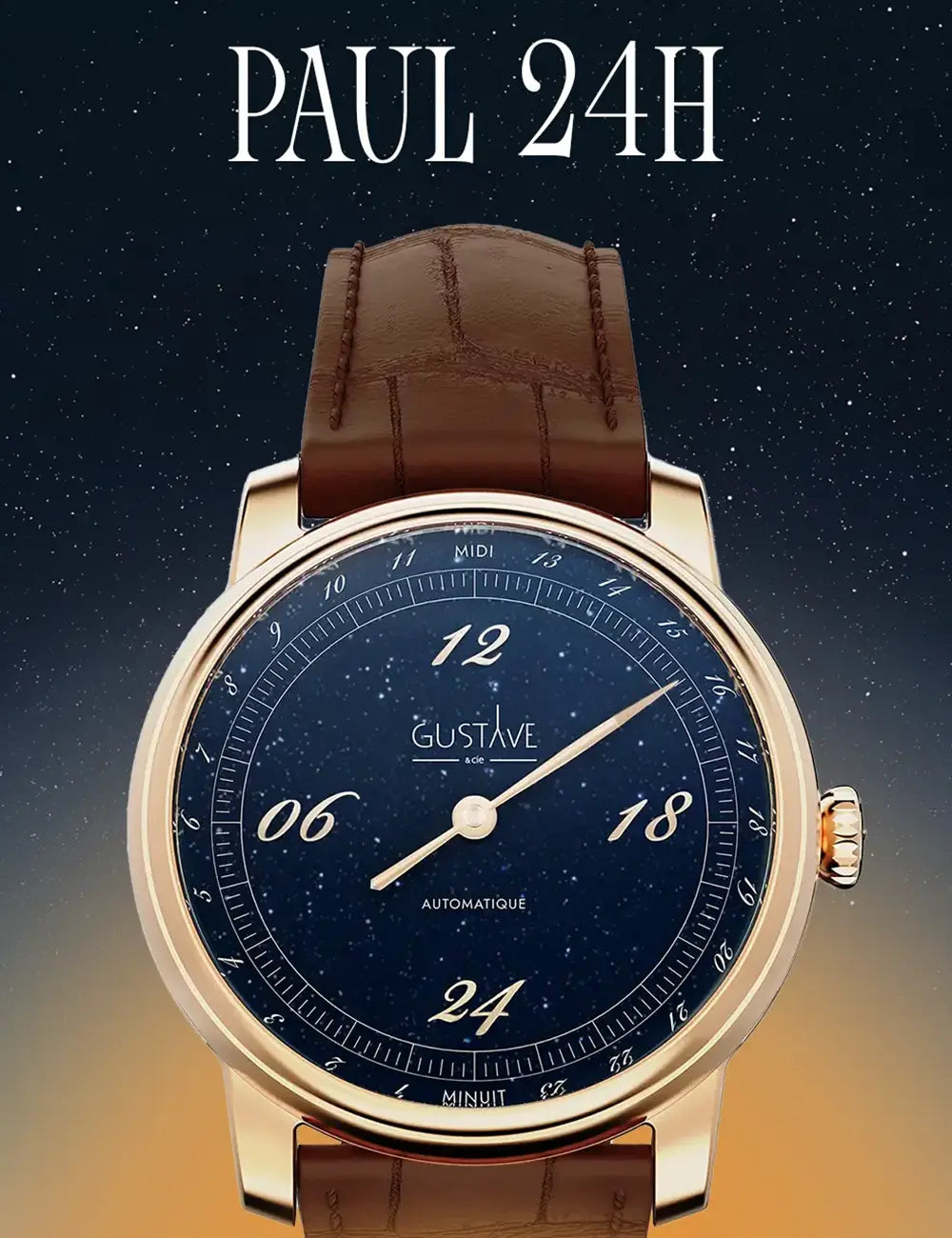
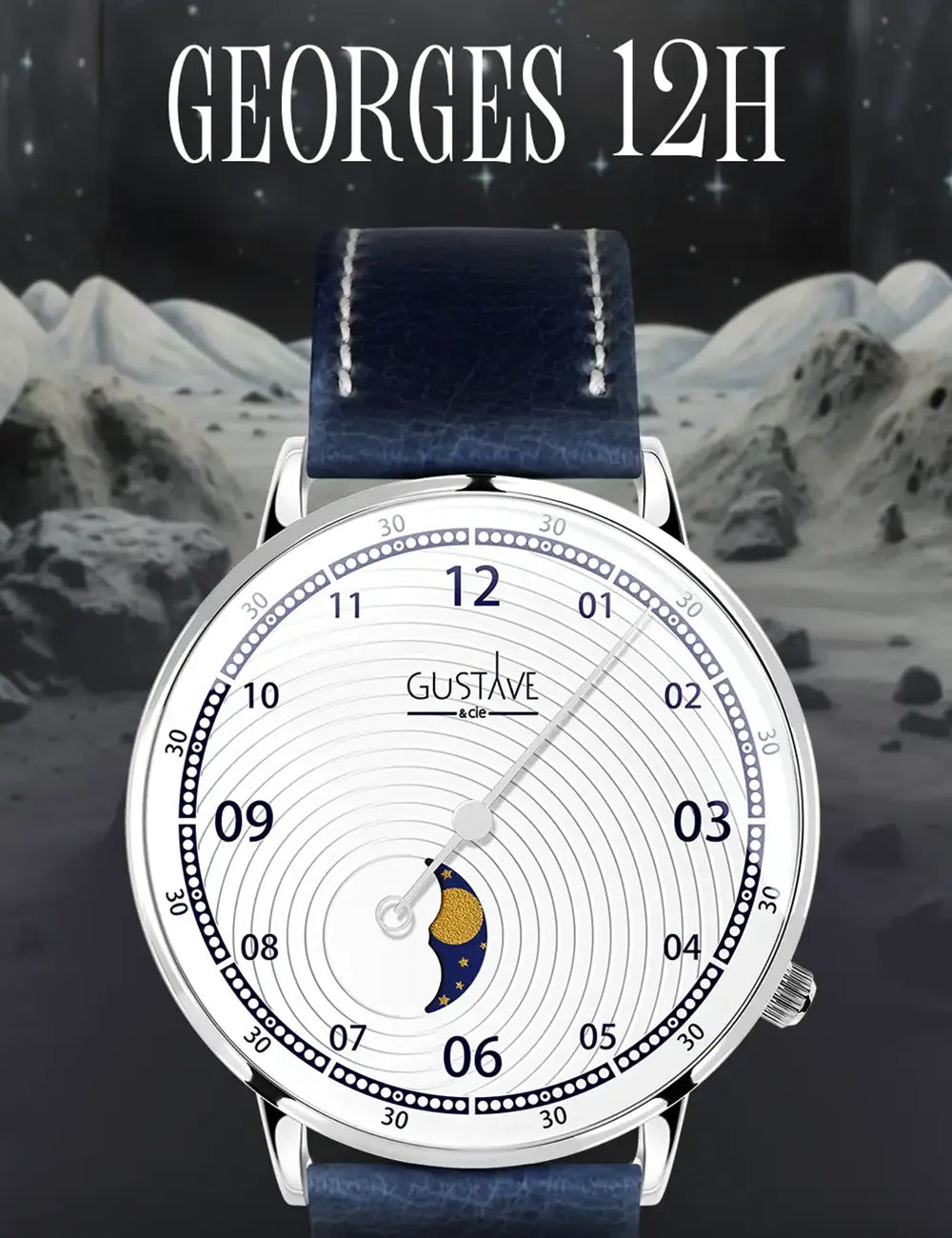
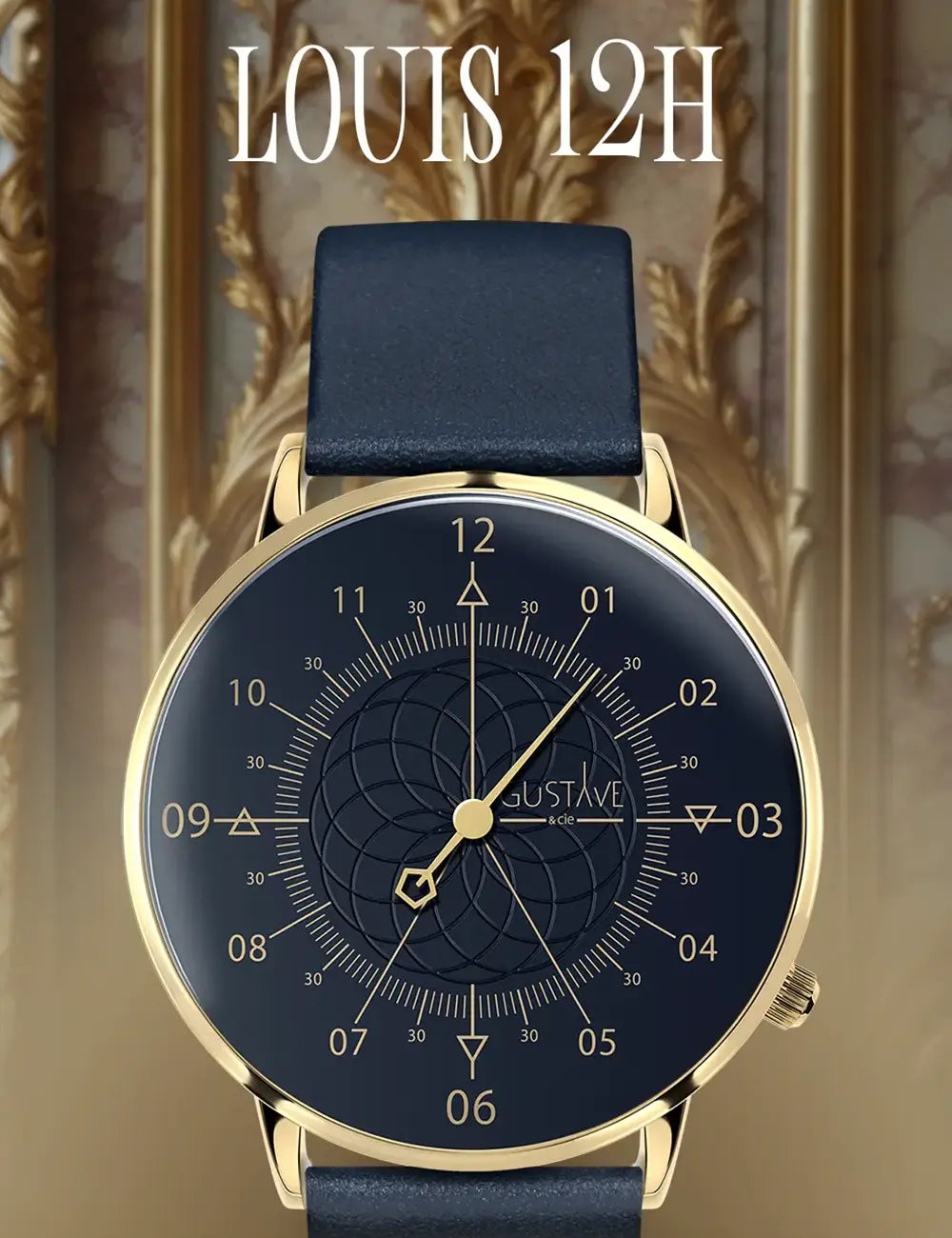
DISCOVER OUR COLLECTIONS WITH CALENDAR COMPLICATION
Banner source: IWC Schaffhausen - The World of Watchmaking: The engineers of watchmaking - From the first Perpetual Calendar to the IWC ProSet - official image, editorial / press use
Leave a comment
This site is protected by hCaptcha and the hCaptcha Privacy Policy and Terms of Service apply.